
Jenell Parsons, the founder of The Pie Hole, a dessert shop with locations in Vancouver, Langley, and Burnaby, used to give pies away to her staff when they’d overbake and didn’t sell out.
“But there’s only so much they can eat,” she said, and they’d sometimes have to compost the extras.
“When you have a shop where freshness is required, and you don’t have a crystal ball, you’re not clairvoyant, you don’t know what the sales are going to be like for the day.”
Since 2021, she’s worked with Too Good to Go, a marketplace app where people can log on and find bags of unsold food from nearby grocers and food businesses.
“It was kind of an interesting concept to eliminate the food waste,” she said.
In the mornings, they package leftover baked or damaged goods that they can’t sell at full price and post them on the app. Customers usually snap them up in less than 10 minutes.
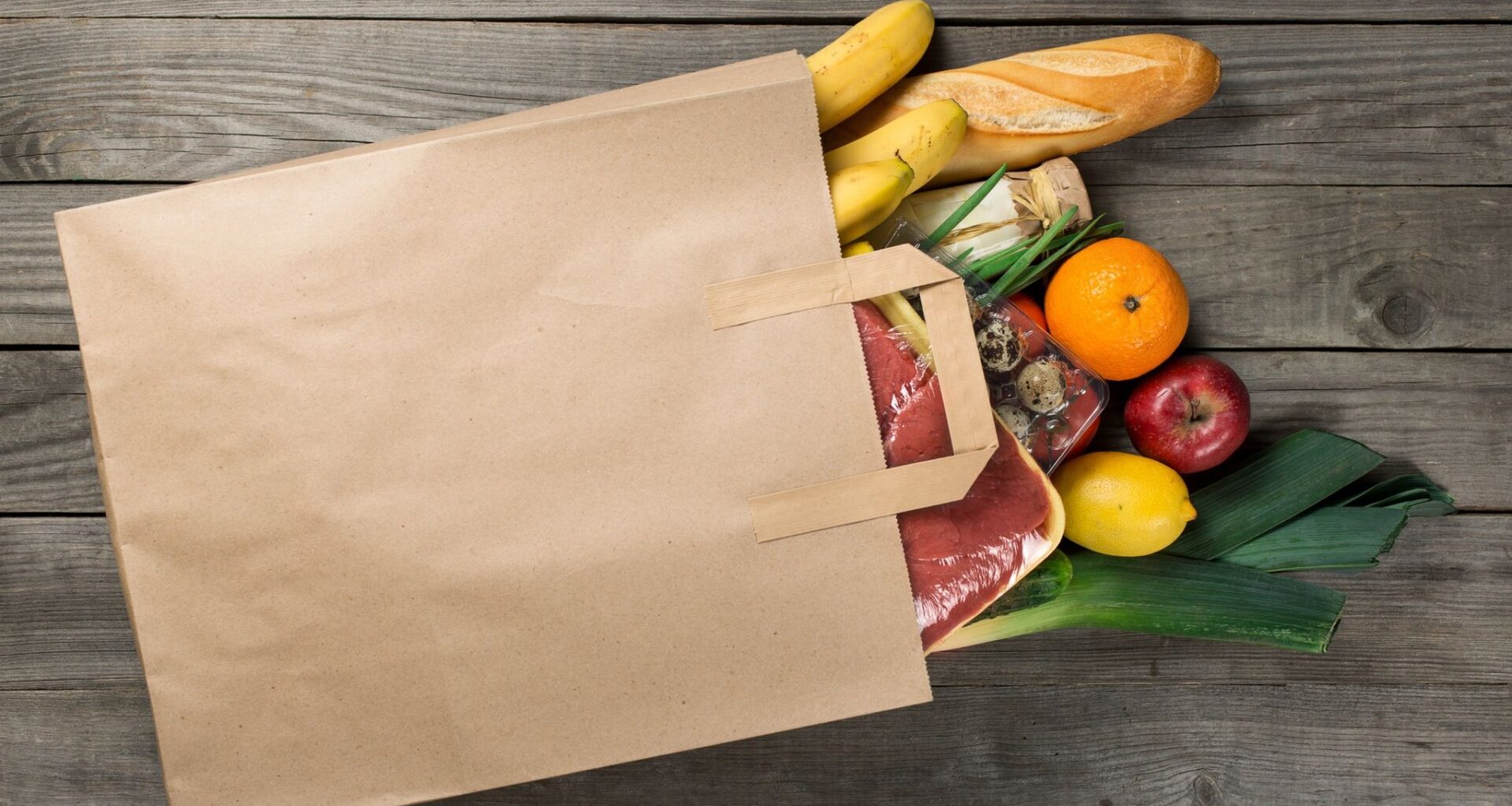
The bags are called “surprise bags” because consumers don’t know what they are going to get, but they are at least half the cost of what they’d be paying at full price.
At The Pie Hole, it costs $6.99 for a minimum of $21 worth of product, and the premium bag costs $9.99 with at least $30 of product.
A way to save money on groceries
With the cost of living ever creeping up, a recent survey from TD suggests that 67 per cent of B.C. residents are planning to cut back on spending this year. Fifty-five per cent are looking to cut back on spending on eating out or ordering food.
Nicolas Dot, the PR manager for Too Good To Go, says that consumers can save a significant amount of money by using the app, suggesting that purchasing one surprise bag per week could lead to over $700 a year in savings.
For example, one of its partners is Stongs Market, a grocery store on Dunbar Street, where you can buy a bag of groceries for $5.99 and get a value of $18.
“You may get some packaged goods, but also some produce that is perhaps a bit bruised, but still enjoyable,” he said. “Labelled products [might be] at the best before date or perhaps past one or two days, but still, again, perfectly safe to eat.”
Since launching in B.C. in 2021, Too Good To Go now has over 2,000 participating food businesses in 50 cities across the province.
Dot added that it also brings in some additional revenue for the businesses, because they can sell food that they’d otherwise toss.
“We’ve been able to help BC food businesses to generate over $10 million of additional revenue through rescuing food,” he said.
Parsons said that while selling bags through Too Good To Go isn’t necessarily profitable, it covers the cost of goods, so they aren’t seeing a loss.
It also helps them reach new people whom they otherwise wouldn’t have. She said it has resulted in some repeat customers.
Other ways to save on food
The app helps food businesses cut back on their food waste, but Dot said it’s an area where households can cut back on food costs as well, with people spending hundreds of dollars each year on food they throw out.
Dot encourages people to trust their senses (look, smell, and taste) on products past their best-before dates, since they are often still edible afterwards. He further suggests rearranging your fridge so as not to forget about things you will later have to toss out and to freeze leftovers.