
If you can’t beat ’em, eat ’em, right? At least, that’s the growing attitude of many across the United States who have exhausted most other methods of dealing with invasive species.
According to the National Wildlife Federation, the growing “invasivorism” movement is encouraging people to help restore ecological balance by eating the species that don’t belong.
When invasive plants and animals spread, they crowd out native species, damage habitats, and throw ecosystems out of sync. Traditionally, managing them has meant costly removals or chemical controls.
But chefs, scientists, and local communities are testing a different approach: creating demand for invasive species as food, so removing them becomes part of everyday life.
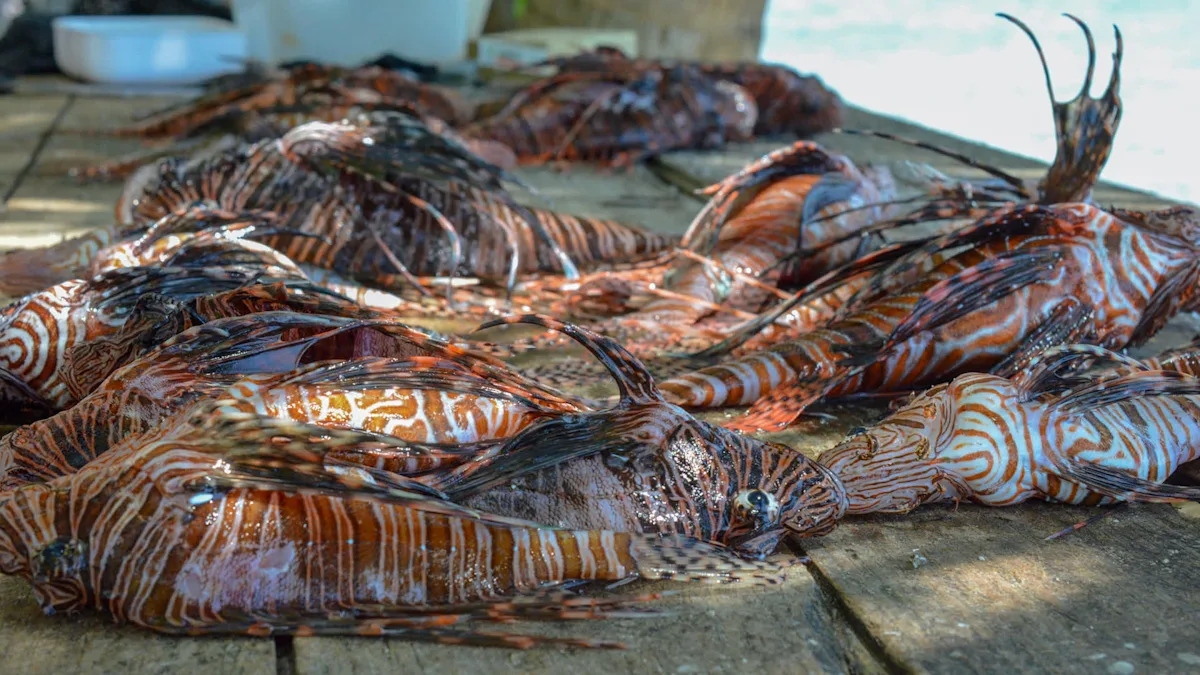
One of the most cited examples is the lionfish, a striking but destructive reef predator that has spread rapidly through the Caribbean and Gulf of Mexico. With few natural predators and an enormous appetite, lionfish can wipe out native fish populations in a matter of years.
In Florida, divers, fisheries biologists, and restaurants teamed up to turn the invader into a menu item. Events like Lionfish Restaurant Week helped show diners that ordering dinner could also support reef recovery.
This approach is catching on elsewhere, too. An invasive Hawaiian fish, called the Ta’ape, is beginning to find its place on the menus of seafood restaurants. In Mississippi, locals are making a similar push for nutria, an invasive South American rodent.
“This is not Fear Factor,” conservation biologist Joe Roman told National Wildlife magazine. “You want something tasty.”
Roman, who runs the Eat the Invaders project, argues that food is one of the fastest ways to get people invested in protecting local ecosystems.
While eating invasive species will not solve the problem on its own, reducing populations through what scientists call “functional extinction” can give native species a fighting chance.
Unlike many environmental fixes, this one comes with a clear upside for everyday people: delicious new flavors, and a chance to participate in conservation without changing their entire lifestyle.
Get TCD’s free newsletters for easy tips to save more, waste less, and make smarter choices — and earn up to $5,000 toward clean upgrades in TCD’s exclusive Rewards Club.