
The BBC has confirmed plans to produce original YouTube shows for the first time under a watershed agreement with the Google-owned platform.
First reported last week, the BBC has earmarked pots of money from across its TV and news divisions that will be used to fund “YouTube-first” shows, an important moment for the UK national broadcaster as it aims to meet young audiences where they consume content.
The BBC declined to disclose the funding committed to YouTube originals, but it will begin encouraging producers to pitch ideas for the initiative. YouTube-first shows will also be hosted on iPlayer and BBC Sounds.
Under the agreement, the BBC will grow its number of YouTube channels to 50, which includes those operated by commercial arm, BBC Studios. New specialist channels will include BBC3’s Deepwatch (working title), featuring new and existing documentaries.
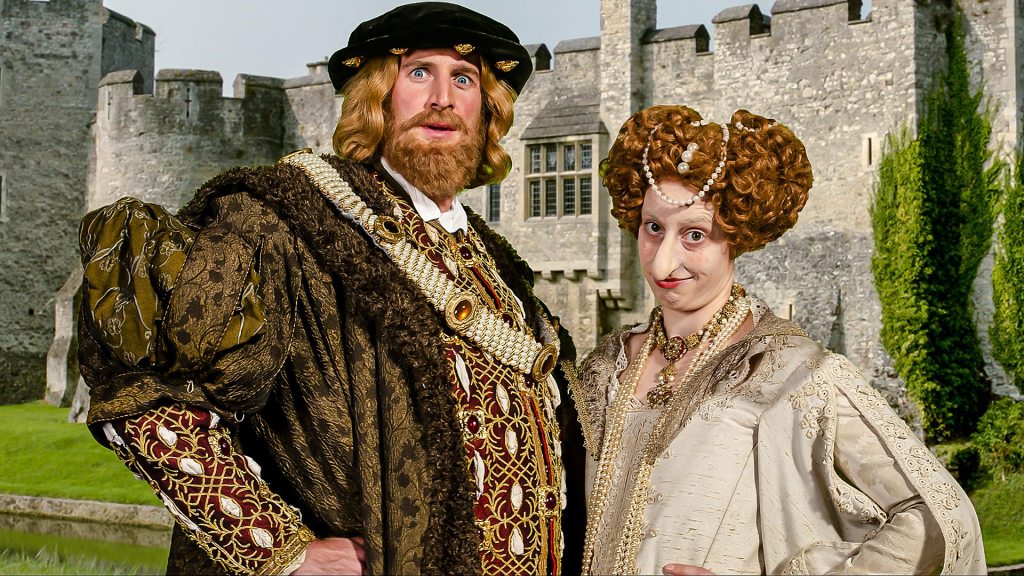
Seven children’s channels will also be launched, including The Epic Facts channel, which will bring together content from BBC series including Horrible Histories and Deadly 60. The BBC will also showcase “moments that bring the UK together” like the Winter Olympics.
The BBC will not carry advertising in the UK around new YouTube originals, given that the corporation is funded by the licence fee. The BBC does allow ads on YouTube Shorts and promotional content, but this is a limited income stream.
BBC Studios will continue to monetize BBC-branded YouTube channels outside of the UK, while third-party producers can carry ads around BBC content on their channels. For example, The Graham Norton Show, produced by ITV Studios-owned So Television, hosts ads.
The BBC has maintained a presence on YouTube for more than 20 years. BBC Studios content generates 15B annual views every year, according to the corporation, while the BBC’s main account has 15.3M subscribers and 11.9B views.
YouTube’s growth as a competitor to traditional television has startled the industry in recent years. In an unprecedented moment, Deadline revealed last week that YouTube had overtaken the BBC on a key measurement of audience reach.
Other UK networks have been experimenting with YouTube originals. Channel 4 has greenlit films for its Channel 4 Documentaries channel on YouTube, while the network commissioned digital drama Beth last year.
BBC-YouTube Creator Training
The BBC and YouTube have also committed to launching a creator skills and training programme. Led by the National Film and Television School, 150 media professionals will be invited to develop their YouTube skills during a series of workshops and events hosted around the UK.

BBC director general Tim Davie
Getty
BBC director-general Tim Davie said: “It’s essential that everyone gets value from the BBC, and this groundbreaking partnership will help us connect with audiences in new ways.
“We’re building from a strong start and this takes us to the next level, with bold homegrown content in formats audiences want on YouTube and an unprecedented training programme to upskill the next generation of YouTube creators from across the UK. Importantly, this partnership also allows new audiences different routes into BBC services like BBC iPlayer and Sounds.”
Pedro Pina, VP EMEA YouTube, added: “This partnership translates the BBC’s world-class content for a digital-first audience, ensuring its cultural impact reaches a younger, more global audience. Beyond the content, our first-of-its-kind training programme represents a deep investment in the UK’s creative pipeline.”
The BBC’s partnership with YouTube comes at a time when UK lawmakers are exploring an intervention to address the Google-owned platform’s startling growth.
In a keynote speech at the Royal Television Society’s Cambridge Convention last September, culture secretary Lisa Nandy said the government is prepared to change legislation to ensure that YouTube carries public service content prominently. YouTube said this would be “premature” at a time when it is talking to public service broadcasters about partnerships.