
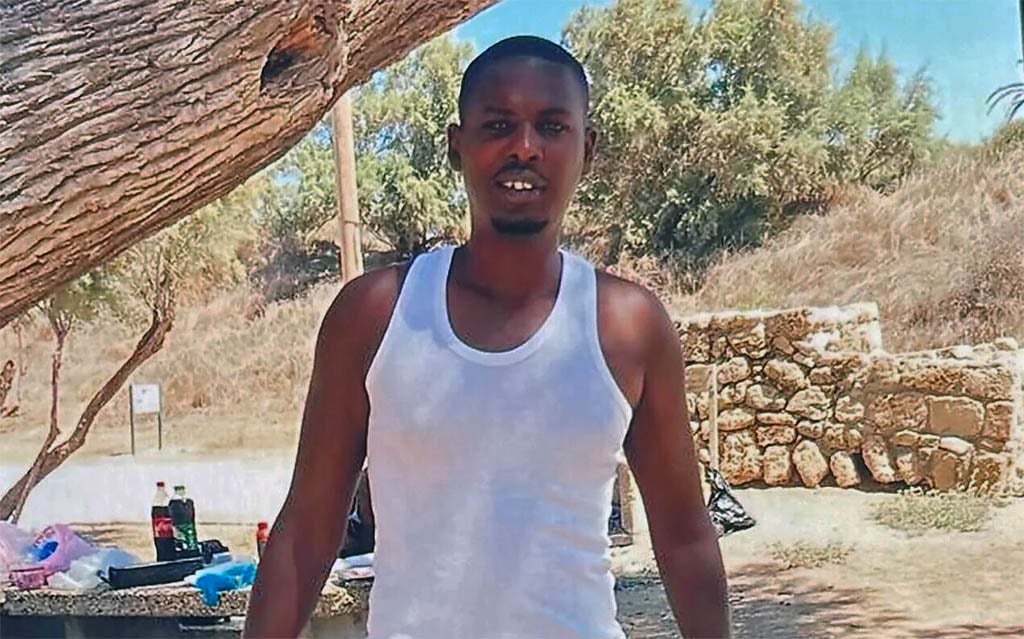
Ashgara Mengistu, the brother of former Hamas captive Avera Mengistu, was found alive after going missing three days ago, the Israel Police said Wednesday.
The previous evening, police had asked the public for help in locating Ashgara, 33, who had left his mother’s home in Ma’ale Adumim, outside Jerusalem, on Sunday and had not been heard from since.
Police did not say anything about where Ashgara was located, but according to Hebrew media reports, he was found on a train in Kiryat Gat in the south of the country. Hebrew media reports did not give further details about the circumstances. There were no reports that he was physically unwell.
His mother, Agarnesh, told Channel 13 on Tuesday that Ashgara had been with her for the weekend. On Saturday night, she went out, but when she returned the following morning, the door to her home was locked. She said that neighbors needed to break the door open to get inside.
His brother Avera Mengistu, 38, entered the Gaza Strip of his own accord in 2014, in a state of mental distress. He was arrested by Hamas shortly after entering the coastal enclave.
Get The Times of Israel’s Daily Edition
by email and never miss our top stories
By signing up, you agree to the terms
The terror group claimed he was an Israeli soldier, although he was never drafted to the military, having been declared medically unfit for service back in 2003.
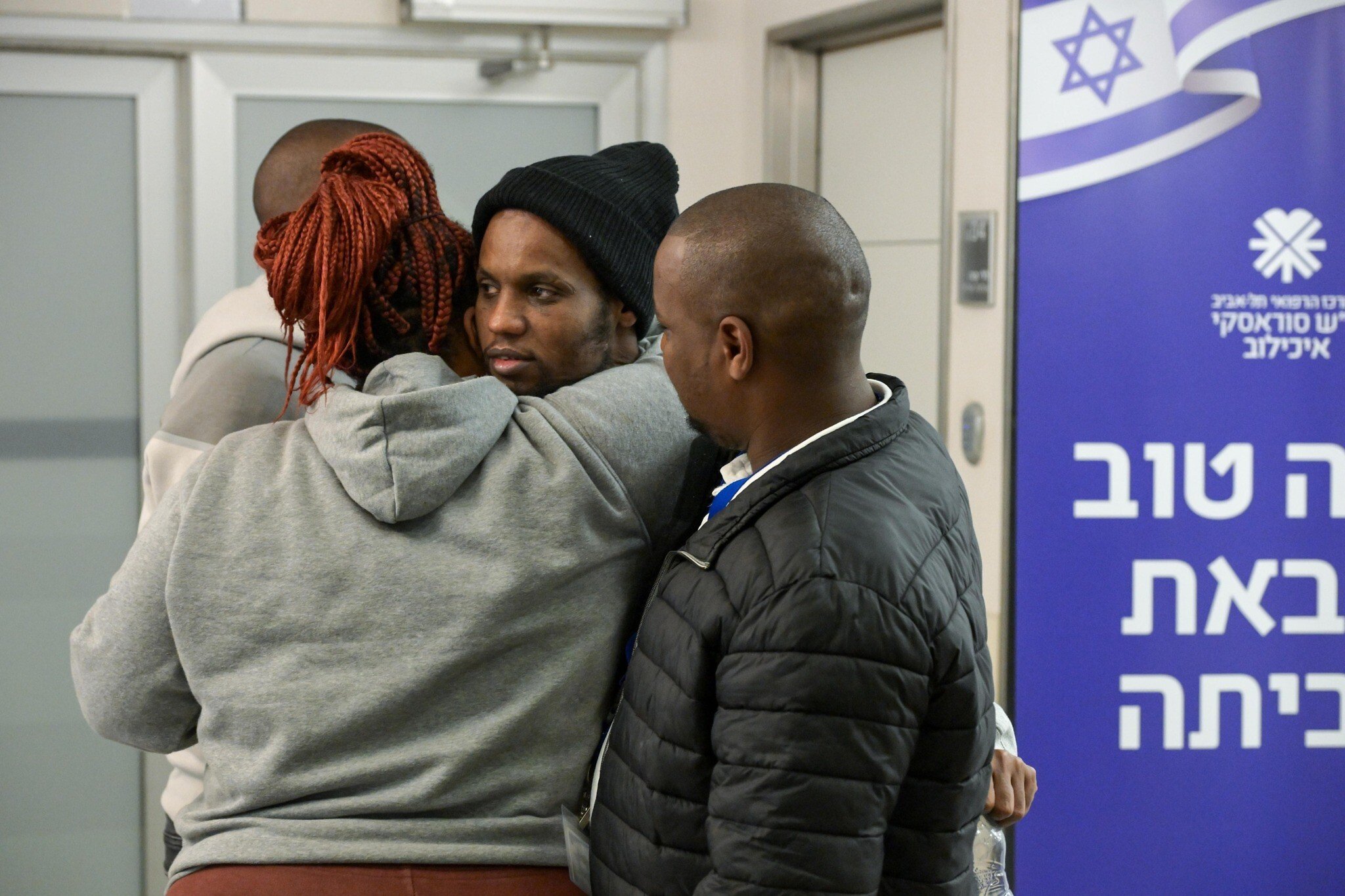
Avera Mengistu (center) is embraced by family members at Ichilov Hospital in Tel Aviv after being released from Hamas captivity in Gaza, February 22, 2025. (Maayan Toaf/GPO)
On-and-off negotiations over the years failed to bring about Mengistu’s release until February 2025, when he was freed with several other captives during a ceasefire and hostage release deal with Hamas.
In total, Mengistu spent 3,821 days in captivity. Upon his release from Gaza, Mengistu was admitted to Ichilov Hospital, where he underwent intensive physical and psychiatric treatment. He was discharged from the hospital in July last year.
According to a Jewish Telegraph Agency report from 2017, Mengistu had six brothers and three sisters, though an elder brother, Michael, died in 2012. Michael’s death was a catalyst for Avera’s mental state when he entered Gaza, according to reports.
The Mengistus hail from Ashkelon’s working-class Ethiopian-Israeli community, and his family struggled over the years to rally public support or pressure the government to secure his release.
Some relatives alleged racism, and contrasted his plight with that of soldier Gilad Shalit, a cause célèbre who was freed in 2011 in exchange for over 1,000 Palestinian inmates.
Is accurate Israel coverage important to you?
If so, we have a request.
Every day during the past two years of war and rising global anti-Zionism and antisemitism, our journalists kept you abreast of the most important developments that merit your attention. Millions of people rely on ToI for fact-based coverage of Israel and the Jewish world.
We care about Israel – and we know you do too. So we have an ask for this new year of 2026: express your values by joining The Times of Israel Community, an exclusive group for readers like you who appreciate and financially support our work.
Already a member? Sign in to stop seeing this
You appreciate our journalism

You clearly find our careful reporting valuable, in a time when facts are often distorted and news coverage often lacks context.
Your support is essential to continue our work. We want to continue delivering the professional journalism you value, even as the demands on our newsroom have grown dramatically since October 7.
So today, please consider joining our reader support group, The Times of Israel Community. For as little as $6 a month you’ll become our partners while enjoying The Times of Israel AD-FREE, as well as accessing exclusive content available only to Times of Israel Community members.
Thank you,
David Horovitz, Founding Editor of The Times of Israel