
KEY TAKEAWAYS
An Arctic cold blast and winter storm forecast have boosted expectations for heating demand, sending natural gas prices sharply higher this week.The extended forecast predicts colder-than-normal weather through the end of January, and the U.S. isn’t alone.It typically takes at least a few months for price fluctuations in the natural gas market to affect retail prices.
U.S. natural gas prices soared for a second straight day Wednesday as brutal Arctic cold bears down on much of the country.
Fortunately for consumers, those higher prices won’t impact their heating bills right away.
Futures contracts based on benchmark Henry Hub natural gas surged 29% Wednesday. So far this holiday-shortened week, U.S. natural gas prices have risen about 60%, the biggest two-day gain on record.
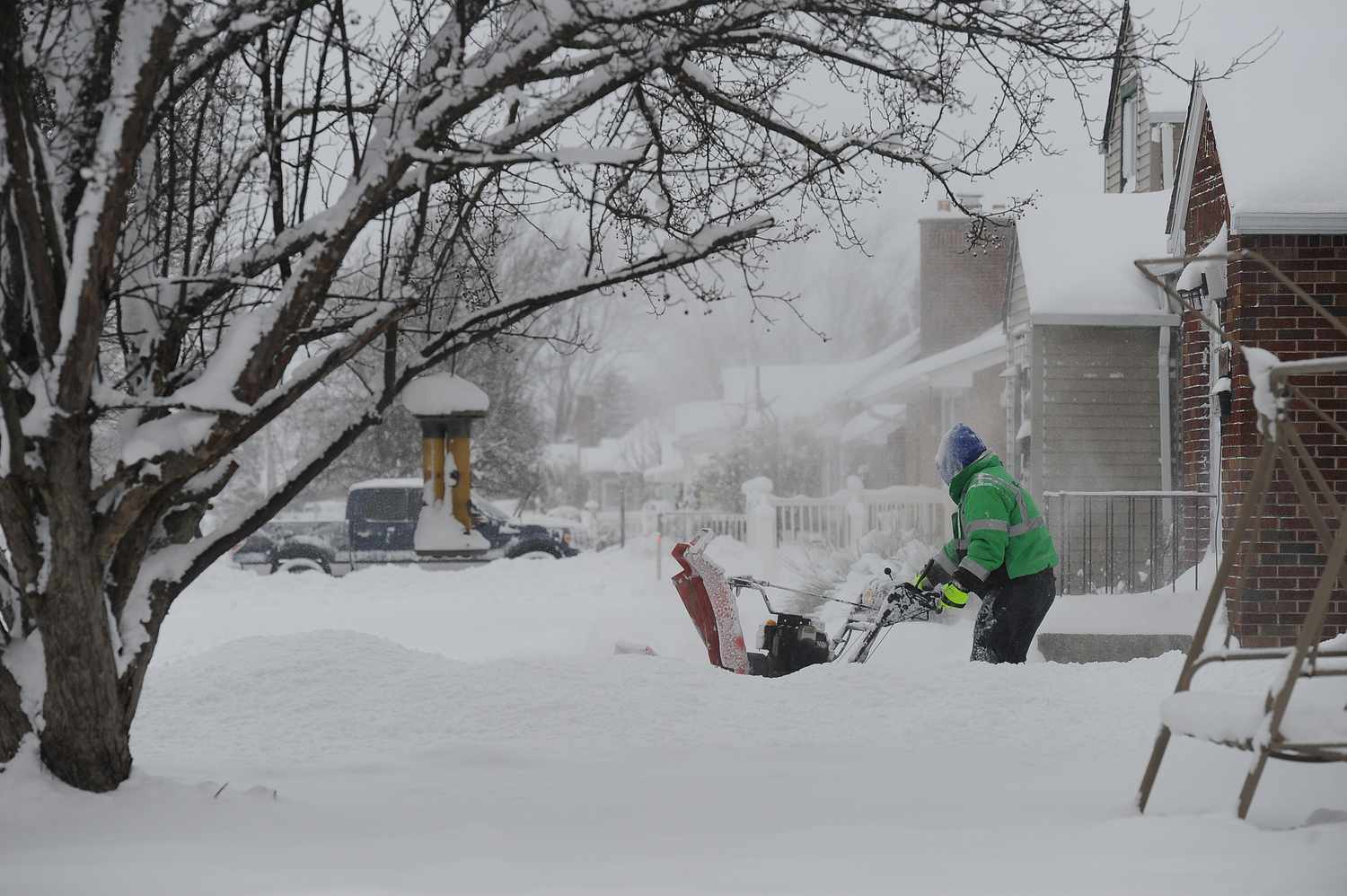
Almost half of American households use natural gas as their primary heating source. This week’s price rally reflects expected high demand for the fuel as sub-freezing temperatures loom to the end of January in a good portion of the U.S.
Global Cold
This weekend, forecasters predict a winter storm with heavy snow and ice will extend from New Mexico to the East Coast. With that, Arctic air is forecast to plunge as far south as Texas. Wind chills are expected to range from as low as 50 below zero Fahrenheit in North Dakota and northern New England to near zero in south central Texas.
Looking ahead, the National Weather Service’s 6-10 day forecast also calls for substantially lower-than-average temperatures across the eastern half of the country.
The U.S. isn’t alone battling cold weather. Natural gas prices have increased more than 40% in Europe and the U.K. this month. In addition, an unusual cold spell in China has pushed up prices in the global liquefied natural (LNG) gas market. LNG and pipeline imports account for about 40% of China’s natural gas usage.
Impact on Your Bills
To the extent they’ll have to run their furnaces more in the next week or so, many U.S. consumers will see their heating expenses increase in the near term. But it typically takes at least a few months for price changes in the natural gas market to work their way through to the retail price level.
In addition, retail prices reflect more than just the market impact of weather; they also mirror demand for other gas uses, such as fuel for electricity-producing power plants.
Shares of natural gas producers have also risen sharply this week, with EQT Corp. (EQT) gaining about 8.5% over the last two days and Expand Energy (EXE) rising nearly 10%. The U.S. Natural Gas Fund ETF (UNG) has surged 32% so far this week, closing Wednesday at a six-week high.