
Unlock the Editor’s Digest for free
Roula Khalaf, Editor of the FT, selects her favourite stories in this weekly newsletter.
For all Japan’s image as a high-tech economy, there are few Japanese stocks that offer an obvious bet on the AI boom. No local equivalent of chipmaker Nvidia; no listed company that builds AI platforms at a global scale. That explains renewed interest in Kioxia, a Japanese chipmaker whose stock is up by almost half this year so far.
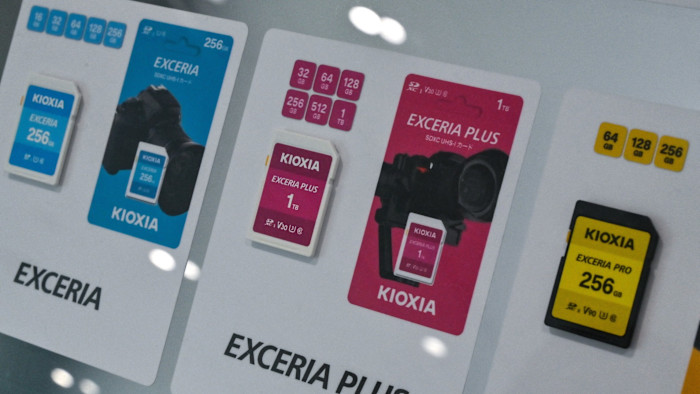
Kioxia has been making the same memory chips for decades. But the customer is changing. Memory storage products are increasingly being bought for data centres, shifting this market away from price-sensitive consumer electronics clients towards higher-margin infrastructure build-outs.
Until recently, the Nand flash memory chips Kioxia makes, which save information without power, were highly commoditised. Most commonly used in consumer electronics devices like smartphones, they were also interchangeable across suppliers. During 2024 alone, prices fell around 50 per cent to record lows, even amid ongoing shortages of high-end AI chips within the sector.
Now new, less price-sensitive customers are emerging. Training and operating large-scale AI models requires high volumes of storage chips inside data centres. Alongside many years of under-investment and constrained Nand flash memory supply, this is helping to increase pricing power for chipmakers like Kioxia.

Kioxia’s most recent share price surge is the continuation of a long rally. Its stock has gained around 800 per cent in the past 12 months, yet still trades at just 12 times forward earnings, well below valuations associated with global AI infrastructure-related companies.
That makes sense in that Kioxia is an indirect beneficiary of the AI trend. It is also exposed to the risk that the current shortage in memory markets unwinds. A slowdown in large-scale data centre spending or a shift towards alternative storage technology would push prices down and squeeze margins even if AI-related storage demand continues to grow.
For now, Kioxia stands out because alternatives are scarce. But as AI infrastructure spending moves beyond the initial build-out, investors will start to look past memory makers towards companies that benefit from bottlenecks in components that are harder to replicate.
That includes suppliers of advanced chipmaking gear, precision components, advanced packaging and speciality chemicals — all products which are both difficult to substitute and essential to the chipmaking processes. These are the parts of the AI supply chain where returns should persist well beyond the current phase of the memory cycle.