
Repeated head impacts happen more often than many people realize. Contact sports, military training, and emergency response work expose the brain to frequent jolts and sudden movements.
Even when no concussion occurs, these forces can quietly strain brain tissue over time.

Scientists at the University of Utah are now exploring ways to protect the brain before serious damage appears. One promising approach uses red light therapy, also known as photobiomodulation.
Instead of treating injuries after symptoms appear, this method aims to support brain health during ongoing exposure. A new study involving college football players offers encouraging results.
Repeated hits strain the brain
Doctors have studied brain damage from repeated head impacts for decades. Older terms like punch drunk syndrome and newer ones like chronic traumatic encephalopathy describe long-term damage linked to repeated force on the brain.
Over time, repeated head acceleration can cause memory problems, mood changes, confusion, and even dementia.
Research shows that force applied to the body can still travel to the head, stressing delicate brain tissue without a direct blow.
Inflammation plays a major role in this damage. After head acceleration, immune cells release chemical signals meant to help repair tissue. Short-term inflammation helps healing. Ongoing inflammation causes harm.
Long-lasting immune activity damages neurons, disrupts communication between brain cells, and weakens repair systems. Repeated inflammation increases the risk of serious neurological disease later in life.
Using light to protect brains
Photobiomodulation uses red to near-infrared light delivered through the scalp and nasal cavity.
Light at a wavelength of 810 nanometers reaches the outer layers of the brain and interacts with mitochondria, which act as energy centers inside cells.
This light boosts energy production and improves oxygen use. More energy helps brain cells stay strong and recover from stress.
Light therapy also affects inflammation. Research shows that photobiomodulation can lower harmful chemical signals, reduce oxidative stress, and regulate immune cell behavior.
Better control of inflammation reduces secondary damage after repeated strain. Light exposure also improves blood flow and helps balance calcium inside neurons, which protects nerve fibers and supports healthy brain signaling.
American football involves frequent head acceleration events. Many impacts cause no visible symptoms but still stress brain tissue.
Studies estimate that one athlete can experience hundreds of head acceleration events in a single season.
Helmets reduce impact force but cannot fully prevent internal biological reactions once force reaches the brain.
Researchers wanted to see if photobiomodulation could strengthen the brain during active exposure. This approach focuses on early protection rather than waiting for injury to occur.
Testing light therapy in players
The study included 26 male collegiate football players between the ages 18 and 25. Researchers randomly assigned participants to receive either active photobiomodulation or a sham treatment.
Both groups used identical headsets and nasal devices. Only the active devices emitted near-infrared light.
Each participant completed 20-minute sessions three times a week during a 16-week football season. Brain scans took place before and after the season using magnetic resonance imaging.
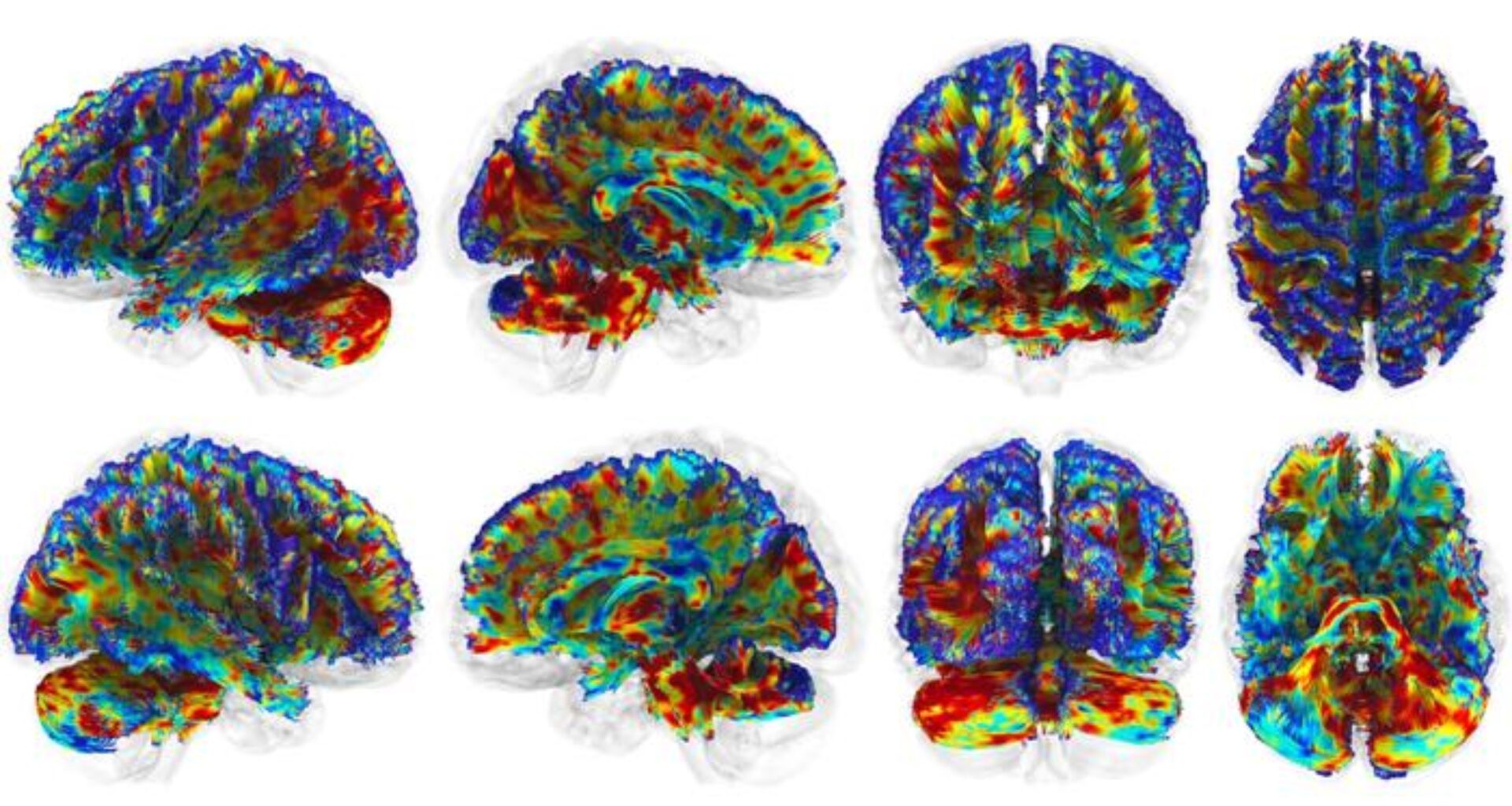
Advanced imaging methods allowed scientists to measure inflammation related immune cell activity and the organization of white matter fibers inside the brain.
What the brain scans revealed
Players who received the sham treatment showed increased signs of inflammation and axonal stress over the season.
Imaging revealed rising restricted diffusion, which suggests immune cell buildup linked to inflammation. Increased quantitative anisotropy pointed to axonal strain and attempted repair.
Players who received active photobiomodulation showed much greater stability across brain regions.
In some areas, inflammation markers even decreased. This stability suggests lower immune activation and better preservation of white matter structure.
“My first reaction was, ‘There’s no way this can be real.’ That’s how striking it was,” said Dr. Hannah Lindsey, first author on the study.
Targeting high-risk brain areas
Repeated head acceleration affects certain brain regions more than others. These include the brainstem, midbrain, corpus callosum, and deep white matter tracts.
Scientists call this pattern a cone of vulnerability because mechanical strain concentrates in these areas.
Photobiomodulation appeared to limit inflammation in many vulnerable regions. Some recovery also appeared in areas outside the most stressed zones, suggesting broader protective effects.
Why red light works on the brain
Red light therapy acts on several biological systems at once. Light activates mitochondrial enzymes, increasing energy availability inside cells. A stronger energy supply supports repair and balance within neurons.
Light exposure also reduces excessive immune signaling, which helps prevent long-lasting inflammation. Improved blood flow delivers oxygen and nutrients that support healing.
Past animal and human studies link photobiomodulation to better thinking ability, fewer headaches, improved sleep, and better movement after brain injury.
A new path to protection
Study senior author Dr. Elisabeth Wilde is a professor of neurology at the University of Utah.
“When we first started this project, I was extremely skeptical,” said Dr. Wilde. “But we’ve seen consistent results across multiple of our studies, so it’s starting to be quite compelling.”
Larger trials will test these findings further. A Department of Defense funded study will include 300 participants with ongoing brain injury symptoms, including military personnel and first responders.
If future studies confirm safety and benefit, photobiomodulation could offer a simple and noninvasive way to protect brain health during repeated exposure.
Athletes, soldiers, and emergency workers could gain added protection without drugs or surgery. Early prevention may lower long-term neurological risks and support healthier lives.
The study appears in the Journal of Neurotrauma.
Image Credit: Hannah Lindsey, PhD
—–
Like what you read? Subscribe to our newsletter for engaging articles, exclusive content, and the latest updates.
Check us out on EarthSnap, a free app brought to you by Eric Ralls and Earth.com.
—–