
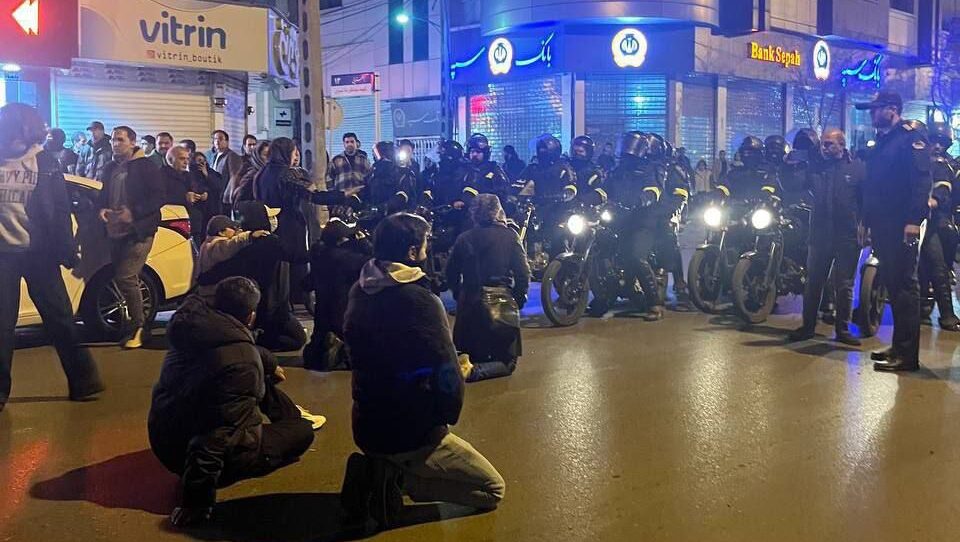
In a harrowing report by investigative reporter Omid Habibinia, Iranian eyewitnesses and medical sources describe a crackdown that did not stop at the street. As Iran’s internet access begins to return after days of blackout, accounts emerging from multiple cities suggest that wounded protesters were moved not toward hospitals, but toward forensic morgues—sometimes while still breathing—then transported by truck to a hangar-like facility in Kahrizak.
The Iran Human Rights Documentation Center cites a case of a young protester who survived by pretending to be dead inside a body bag. He reported hearing gunfire directed at wounded civilians who moved or moaned, then stayed motionless for three days until families stormed the site searching for relatives, creating an opening for his escape.
A Tehran forensic medicine specialist told The Media Line that Islamic Revolutionary Guard Corps forces displayed extreme brutality, describing wounded protesters piled in hospital corridors and transferred to morgues in body bags, leaving health workers psychologically shaken. Professor Amir Mobarez Parasta, who investigated the Jan. 8–9 killings, said many victims never reached hospitals and that deaths were not fully recorded. Health care staff reported bodies still attached to oxygen tubes, electrodes, and ECG leads, suggesting patients were taken mid-treatment and left to die.
The article includes a chilling message from a nurse alleging systematic executions, later killed, and accounts of execution-style shots fired at wounded protesters. With the number of deaths ranging from the official figure of 3,117 to far higher tallies, Habibinia’s full piece is essential reading for the details, sourcing, and context.