
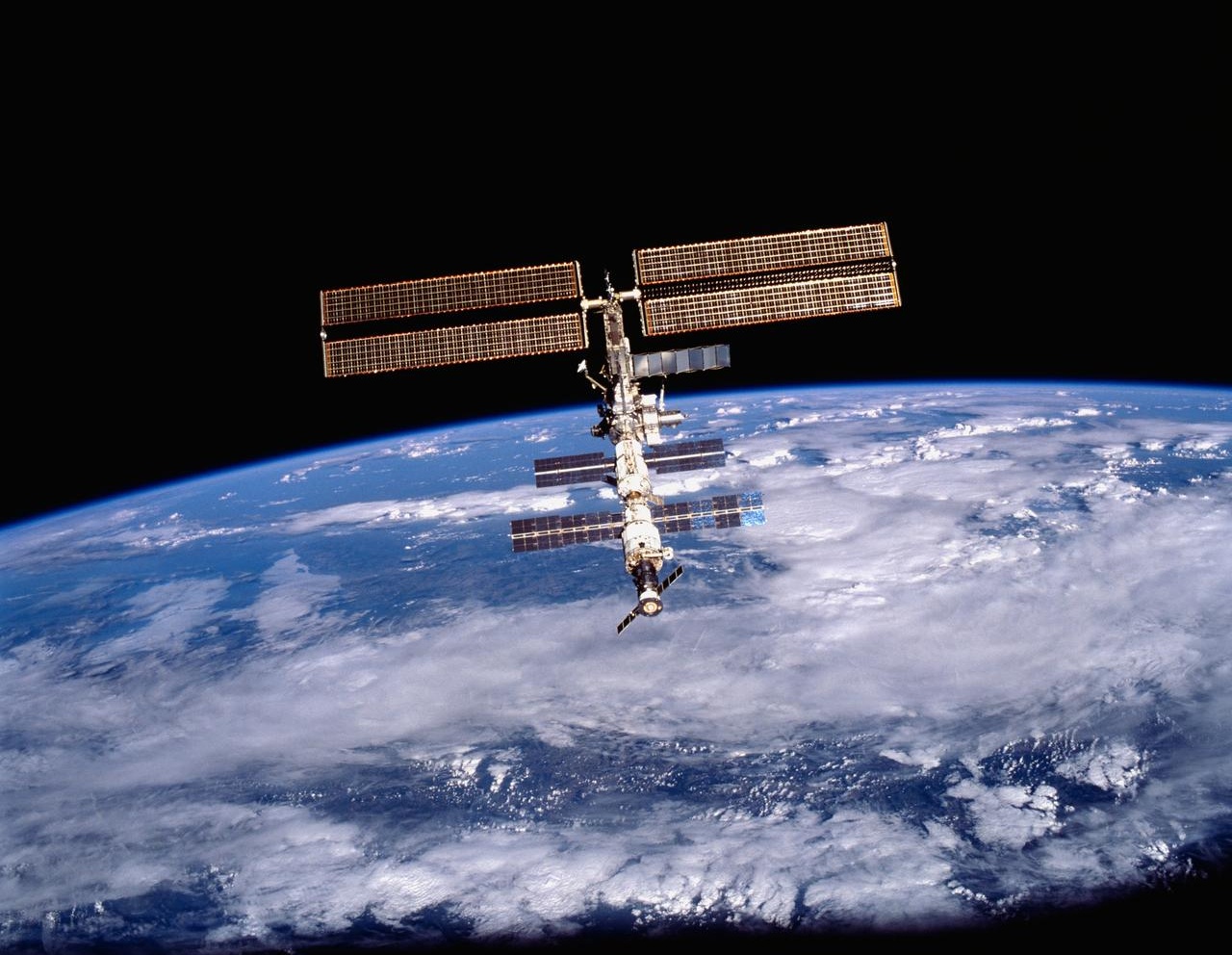
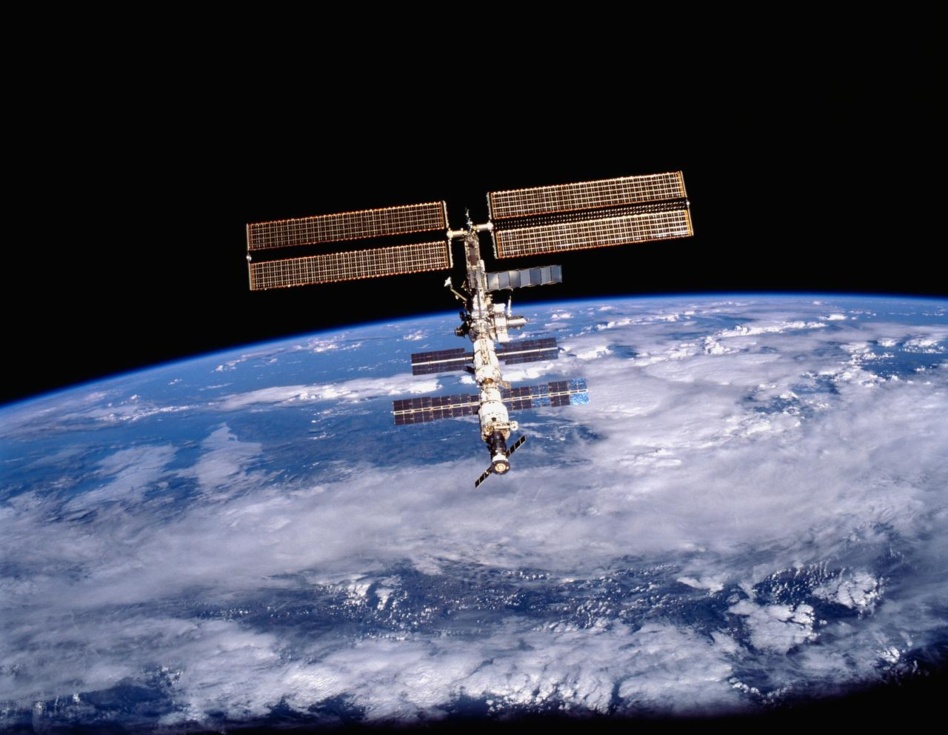
 The ISS is nearing the end of its life, and industry is competing to build its successor. Image: NASA
Sign up for our Flagship Daily Newsletter
As the ISS nears its retirement date at the end of the decade, companies are vying to build its commercial successor under NASA’s Commercial LEO Destination (CLD) program.
Context: The space agency announced it would invest in developing at least one commercial space station to succeed the ISS in 2021. However, unlike the ISS, CLDs would only be part funded by the government. That means future stations must have private dollars backing them, and be able to make a business case based on customers beyond NASA.
In December 2021, NASA awarded a combined $416M to three entities then working on stations:
A Nanoracks-led team, which included Voyager and Lockheed Martin, won $160M.A Blue Origin-led team won $130M to design its Orbital Reef station. Northrop Grumman won $125.6M to attempt to retrofit existing tech into a space station.
In 2025, the Trump administration revamped the acquisition method for the CLD program, and changed the initial goal of the program from a continuous crewed presence to accommodating four-person crews for month-long missions.
The players: Here are the companies now at the forefront of the CLD competition:
Vast is expecting to launch its Haven-1 space station in Q1 2027. The single-module station is aiming to initially host up to four commercial astronauts for two-week missions.Axiom Space is planning to launch a two-module station by 2028, with long-term plans to operate an independent four-module station. It is the only competitor to have already led commercial flights to the ISS. Starlab, which is being built by a joint venture between Voyager Technologies and Airbus, is aiming to launch its station in 2029. (This is the current form of the Nanoracks-led proposal from 2021.)
Upcoming milestones: Phase 2 of the CLD program is just over the horizon. This year, NASA is expected to award contracts to at least two companies to continue development of their CLD proposals. Together, the contracts are expected to be worth $1.5B.
Recent headlines: