
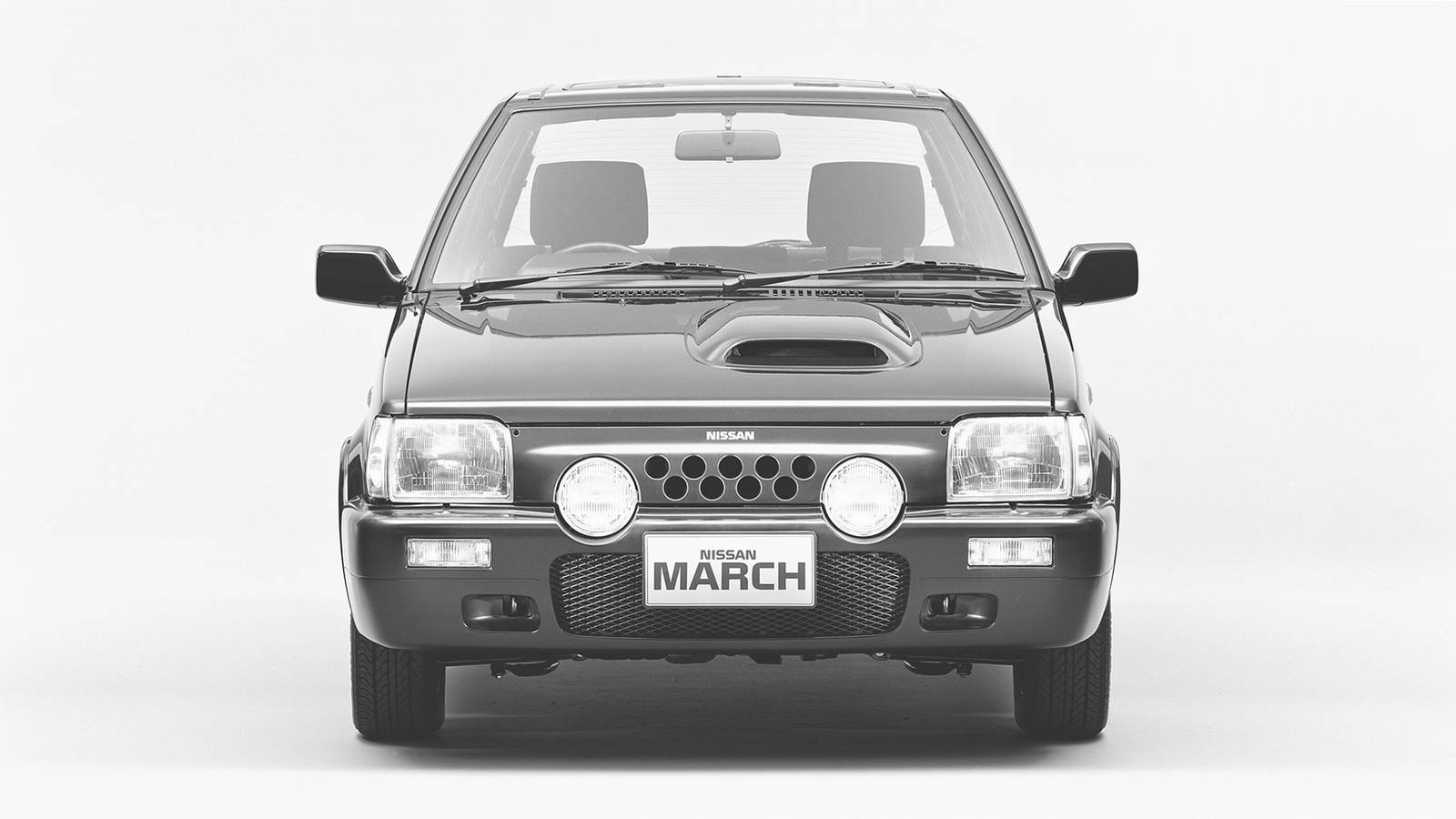
When discussing famous hot hatchbacks, the Honda Civic Type-R, the Volkswagen Golf GTI, the Lancia Delta HF Integrale, and the Ford Focus RS are usually among the top contenders, and deservedly so. One name you’ll rarely hear crow-barred into that conversation, however, is Nissan, for while the Japanese marque remains a heavyweight in the world of sports coupes, its Nismo performance division has rarely crossed paths with the likes of the Leaf, the Versa or the Micra.
There was a time though, back in the late 1980s, when Nissan did give hot hatch-ery a go with a limited-edition, and, as it turns out, innovative powertrain. One that few manufacturers, including Nissan, have revisited since then.
Related
These European Hot Hatches We Never Got Would Have Rocked The USA
Imagine a world where these iconic European hot hatches ruled the streets of America…
March Super Turbo. The First Mass-Produced ‘Twin-Charge’ Road Car
Life Begins As A Humble 57-hp Hatchback
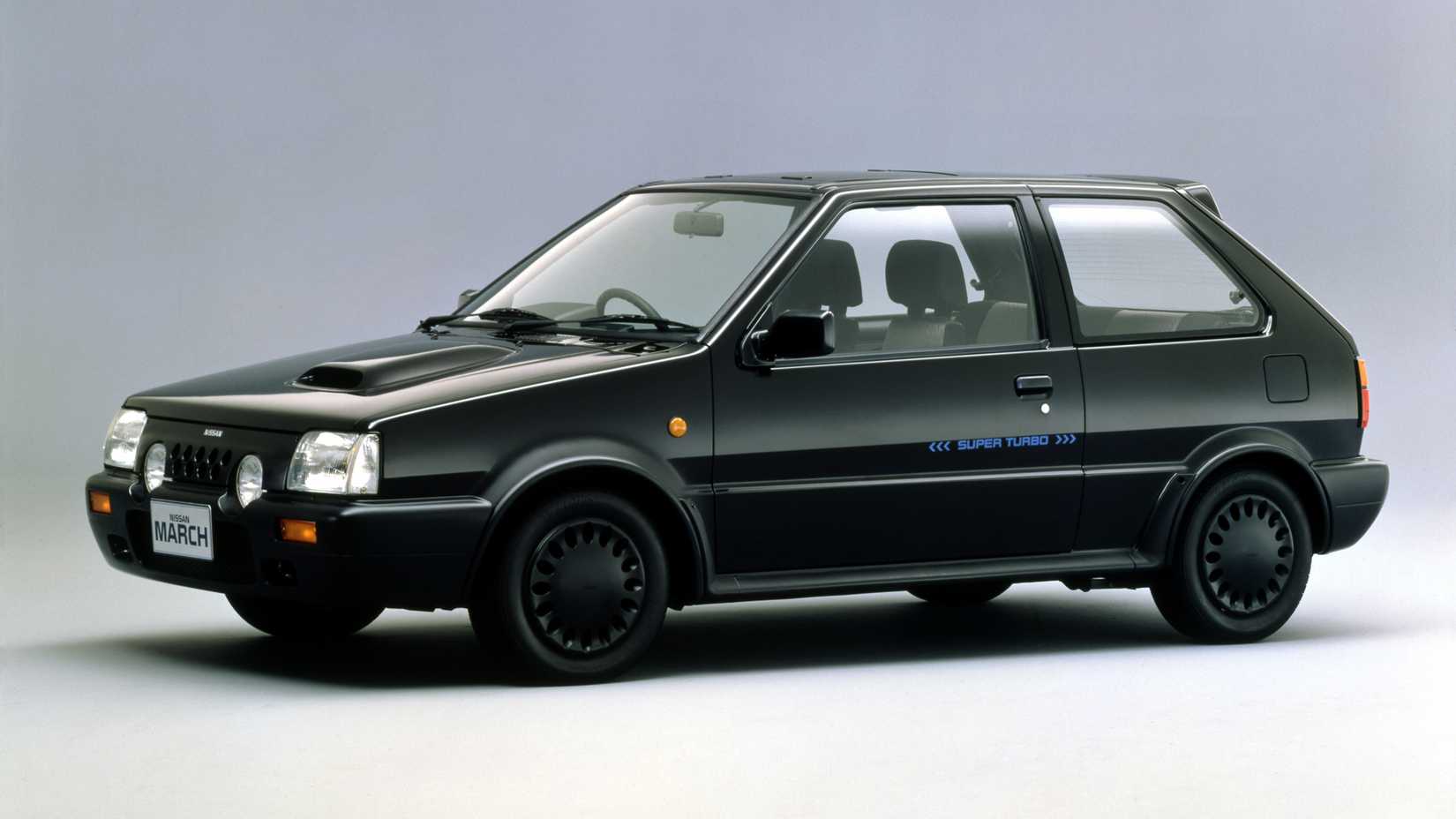
1989 Nissan March Super Turbo. Hot Hatch. Hatchback. Front, three-quartersGlobal Nissan News
Though a punchy four-cylinder engine is the doyen of the hot hatch world (calm down, Audi five-cylinder fans…), in the mid-1980s, the 930cc inline-four powering the Nissan March was modest even by supermini standards. Indeed, in its “premium” Collet trim, the bored-out 987cc inline-four produced only 57 horsepower and 58 pound feet of torque. 0-60 mph took an estimated 13 seconds to achieve, something a bog-standard Toyota RAV4 gets done in half that time today.
In 1988, however, Nissan made some significant changes. To this humble four-cylinder, inexplicably, the Japanese marque fitted both a roots-type supercharger and a single turbocharger. This successfully hiked the pitiable 57 hp to… well, a still reasonably modest 110 hp. Since the newly christened ‘March Super Turbo,’ however, still weighed less than 1,700 lbs soaking wet – or slightly more than a well-stuffed bag of spinach – the hatchback’s power-to-weight ratio shot up to just over 129hp/ton.
At the time, that was on par with Peugeot’s newly introduced 205 Rallye, and, more incredibly, even Ford’s V8-powered, third-generation 5.0 Mustang GT. More significantly than that, Nissan’s March Super Turbo was also the first ‘twin-charging’ roadcar to hit mass-production. But more on that later.
How Did The Super-Turbocharging System Work?
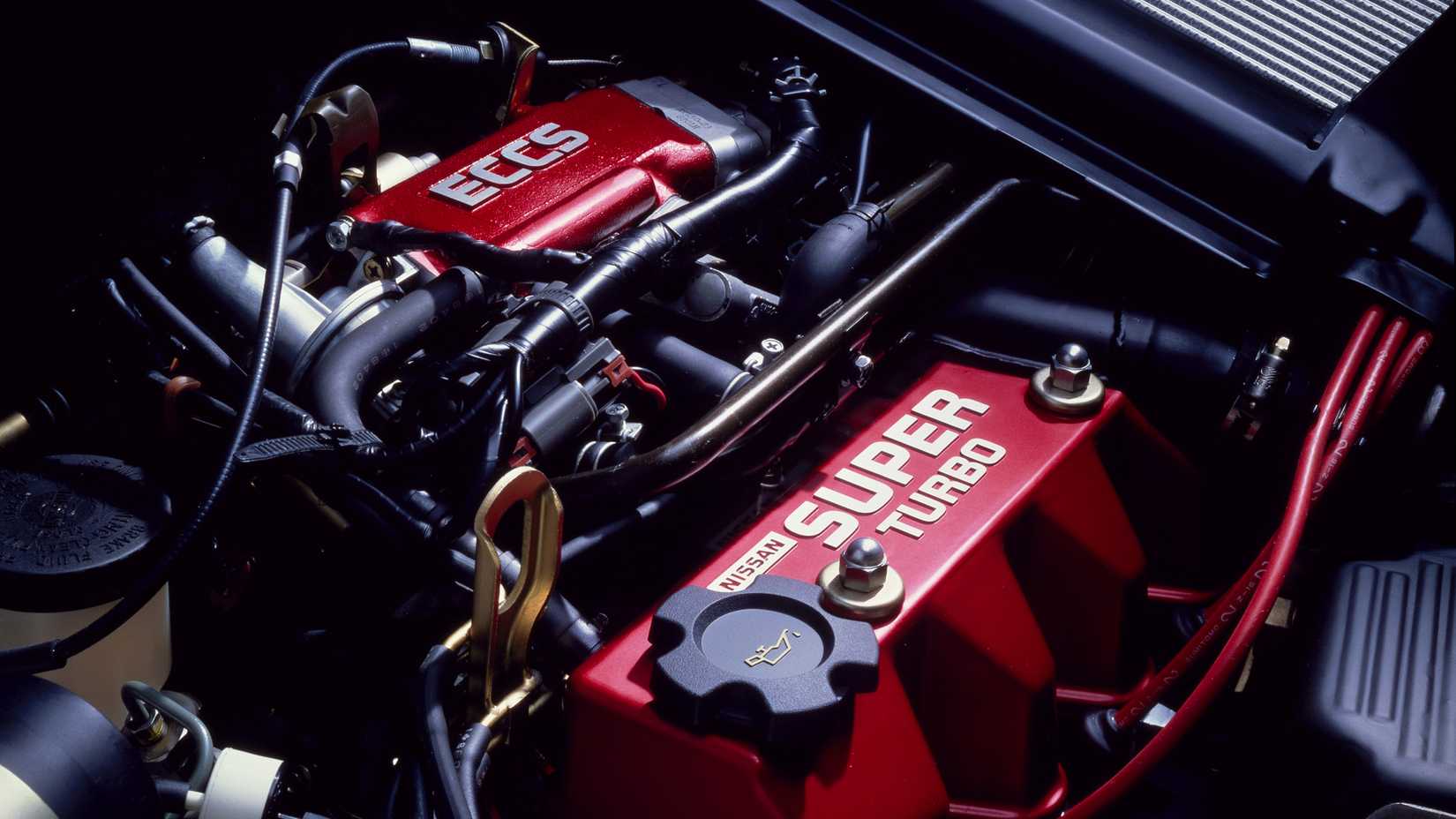
1989 Nissan March Super Turbo. 930cc supercharged turbocharged four-cylinder. PLASMA. MA09ERTGlobal Nissan News
Traditionally, while a supercharger uses engine power (coming from the crankshaft via a belt or chain) to push more oxygen into the system, a turbocharger turns “wasted” energy from the exhaust into additional power. Albeit with a slight delay (ie turbo lag) as it waits for more exhaust gases to be produced in the higher revs. Nissan’s idea? Combine the two practices. The supercharger would provide 10psi of immediate boost to the March’s 930cc engine up to 4,000 rpm as the turbocharger spooled up. The turbo then did the heavy lifting (around 14psi of boost) all the way through to 6,500 rpm.
Admittedly, Lancia had introduced this twin-charging approach on the rally stages several years earlier. Most famously with the Delta S4, with which the Italian brand took five World Rally Championship wins and came close to snatching the 1986 crown. More recently, this approach has been used by Volvo for its T6/T8 engine range, Volkswagen (briefly) for its TSI engines, as well as by Polestar for its limited-edition 1, and Zenvo’s brutish, 1,104 hp-ST1. Illustrious company for the humble Nissan hatchback, certainly.
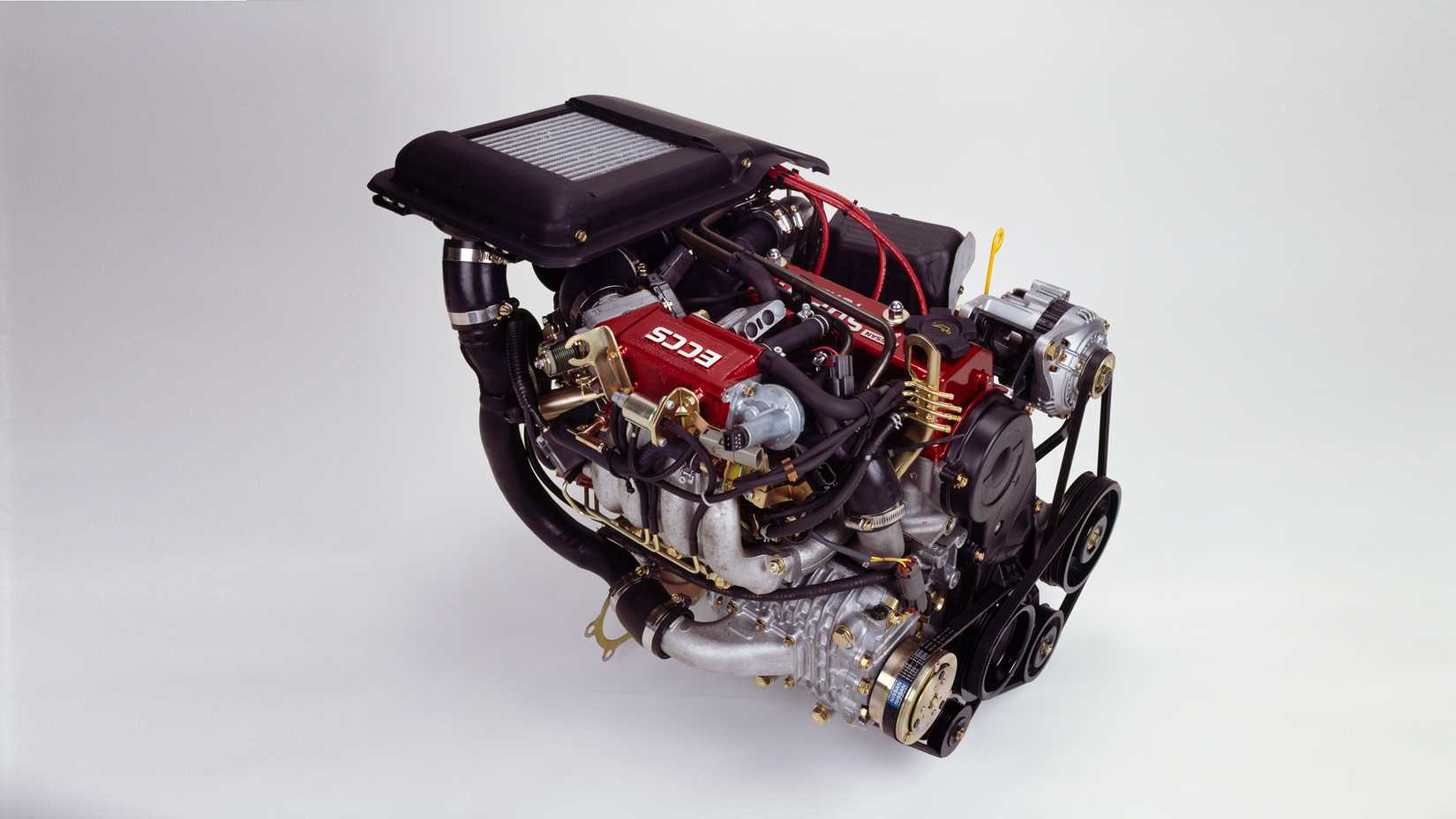
1989 Nissan March Super Turbo. 930cc supercharged turbocharged four-cylinder. PLASMA. MA09ERTGlobal Nissan News
Interestingly though, while VW and Volvo’s twin-charging systems amalgamated the turbo and superchargers, Nissan ran both units independently. Though still mind-rottingly complex, this approach was slightly – ever so slightly – more straightforward for Nissan’s sub-1-liter engine package.
Even more impressively, to avoid the twin-charge setup activating at low speeds, and thus decimating the March’s diminutive fuel tank, the system was controlled by a magnetic clutch that only activated when the right pedal was mashed. Clever stuff for, let’s not forget, a budget supermini.
Related
12 Hot Hatches That Changed The Automotive Industry
Here’s a rundown of the 12 most influential hot hatches of all time.
How The Super Turbo Compared With Its Main Rivals
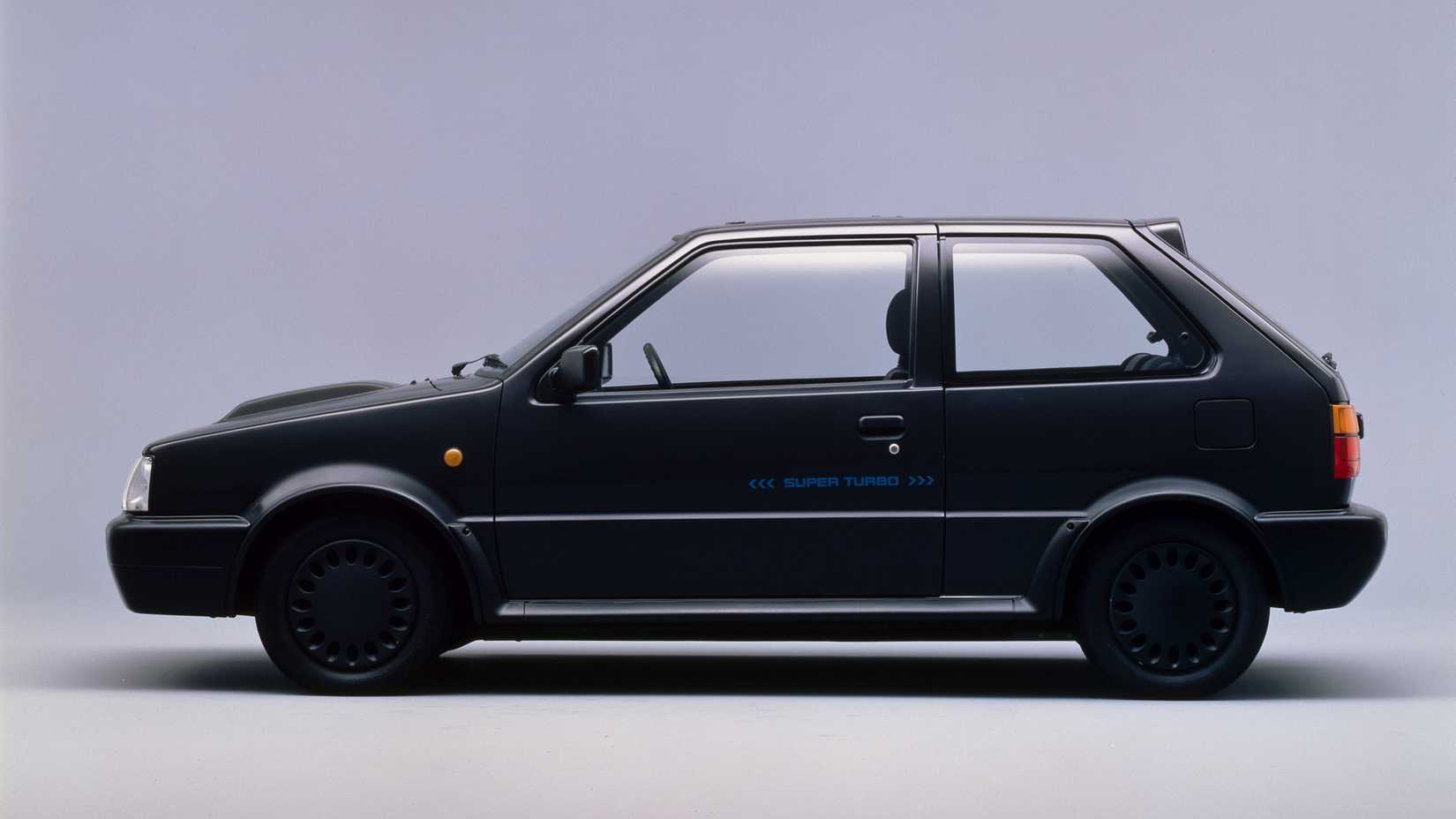
1989 Nissan March Super Turbo. Hot Hatch. Hatchback. Side profileGlobal Nissan News
1989 Nissan March Super Turbo
Engine
930cc MA09ERT (Turbo + Supercharged) four-cylinder
Power
110 hp @ 6,400rpm
Torque
96 lb-ft @ 4,800rpm
Transmission
Five-speed manual, front-wheel drive
0-60 mph
7.5–7.7 sec (est)
Top Speed
112 mph
With its twin-charged big boy pants firmly buttoned, 0-60 mph for the March Super Turbo was done in around 7.7 seconds. This, admittedly, was slower than the segment’s benchmark players, like Renault’s 5 Turbo and Lancia’s Delta HF Integrale, each of which managed the same feat around a second quicker. Still, the March Super Turbo was still surprisingly fleet. Volkswagen’s 139-hp Mk II Golf GTI 16V, for example, completed 0-62 mph in only 8.5 seconds, while its 150 hp GTI Mk III 16V follow-up, which debuted during the Super Turbo’s final year of production in 1991, only managed 8.3 seconds.
Where the Super Turbo tripped up against its rivals, admittedly, was its handling. Much like its contemporaries, the Nissan was front-wheel drive only, and – though it received additional bracing and a sportier suspension setup – the March’s humble K10 steel monocoque was unable to control almost double the horsepower for which it had originally been built. Taken to their limits, the front wheels would deliver understeer, leaving the Nissan a speck in the GTI’s wing mirrors.
Related
The 10 Most Oddball Hot Hatches Ever Made
The weird, the wonderful, the crazy, and the utterly confusing.
The Genesis Of Nissan’s Forgotten Hot Hatch
It All Started On-Track In 1983
1982 Nissan March Super Silhouette. On-track. Motion. Touring car. Race carGlobal Nissan News
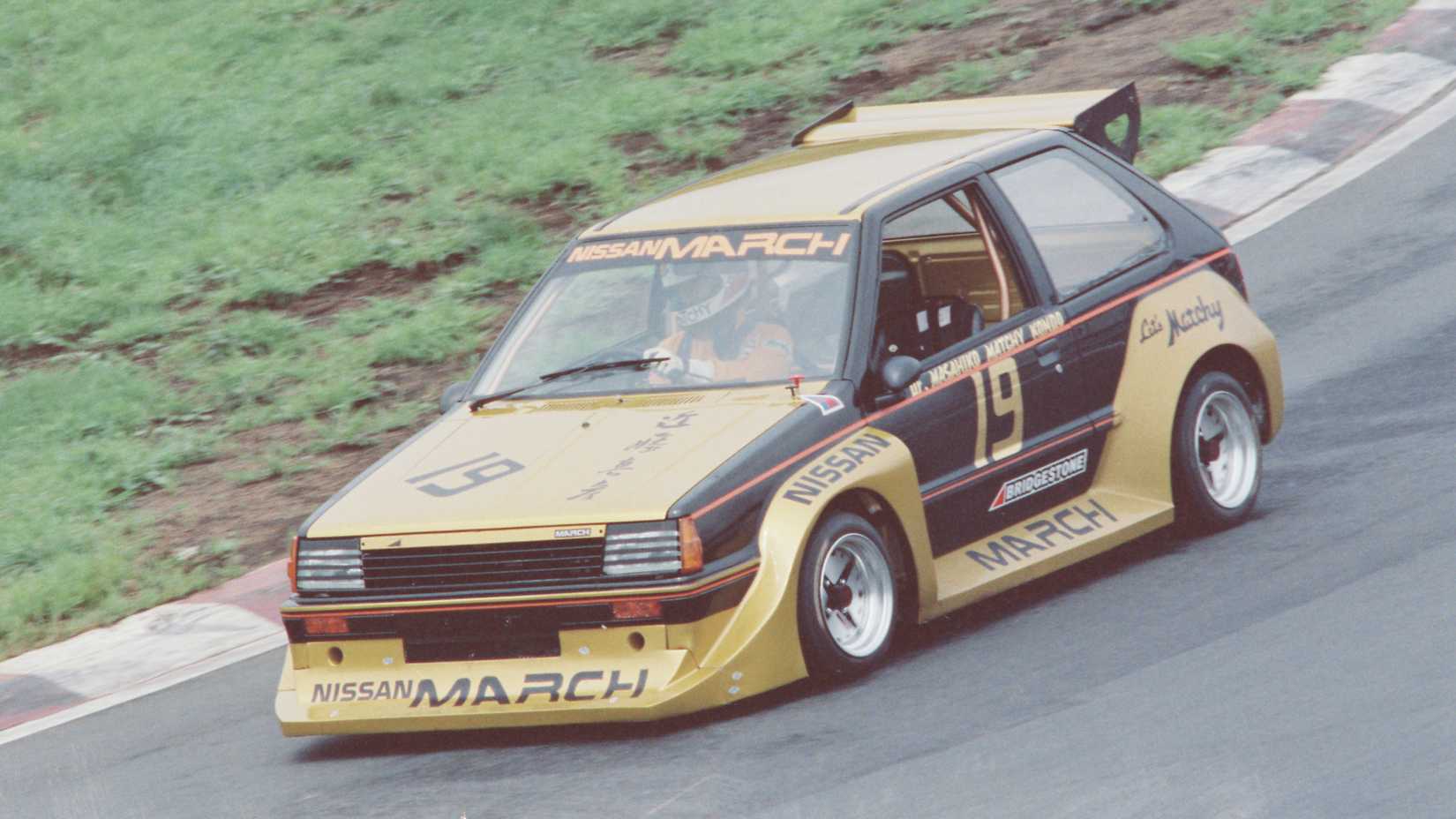
Oddly, March’s on-track potential was first put to the test as far back as 1983, just a few months after the hatchback’s launch in October 1982. Dubbed the “March Super Silhouette,” a one-off track-spec version of the March was built specifically for Masahiko “Matchy” Kondo, as the popular Japanese singer/actor turned half an eye towards a career in motor racing.
Power from the now 1.5-liter ‘E15’ four-cylinder had been upped to 160 hp. The cabin was stripped back to a bucket seat and a roll cage. And the Giorgetto Giugiaro-inspired bodywork – yes, the March was built around “an original styling layout draft” penned by the father of the DeLorean – was given an aggressive aerokit inspired by Porsche and BMW’s Group 5 prototype racers.
On-track results for “Matchy’s March” are hard to come by. But the Super Silhouette had nevertheless given Nissan ideas. Indeed, as part of a 1985 facelift for the March, a more robust – though still very fuel efficient – turbocharged ‘MA10ET’ four-cylinder was introduced to the line-up. And by 1987, Nissan had created the “March Little Dynamite Cup Race” to dealerships nationwide.
1987: Nissan Explores Super-Turbocharging For The First Time
1989 Nissan March R. Hot hatch. Hatchback. Rear, three-quartersGlobal Nissan News
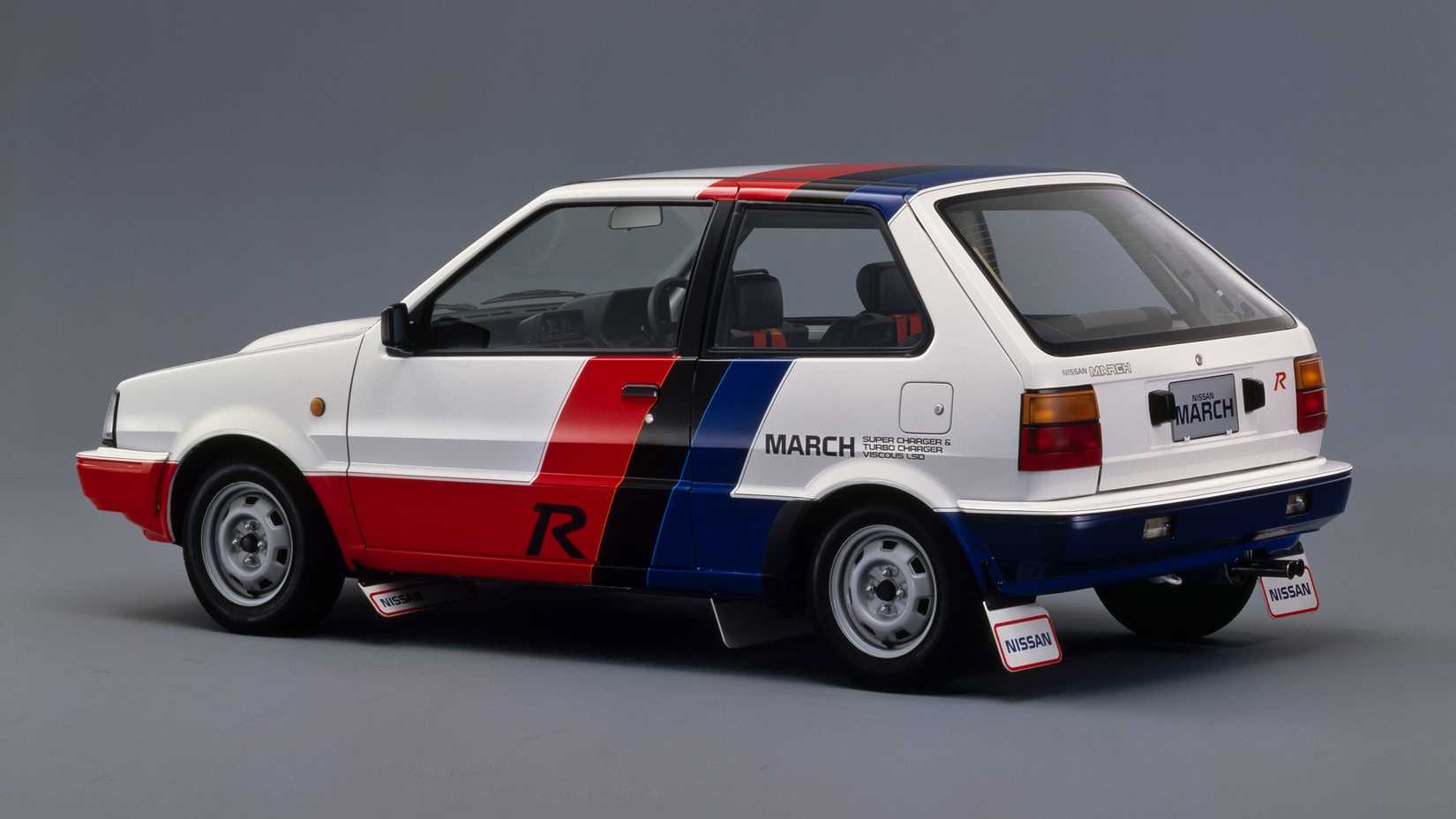
Essentially a motoring version of arrive-and-drive go-karting, the Dynamite Cup Race gave potential customers the chance to (ahem) “race” a stripped-out, Nismo-built version of the March. Under the hood lay the ‘MA’ turbocharged four-cylinder, the emissions from which were now sent through a natty new set of side exhaust pipes. And, to which, Nissan had also introduced a supercharger, pushing power to 110 hp.
The ‘MA09ERT’ twin-charged four-pot was later dubbed the Nissan PLASMA, or “Powerful & Economic, Light, Accurate, Silent, Mighty, Advanced”. Cannily, Nissan had retained the smaller 930cc displacement over the larger 987cc, since this made privateer examples eligible for 1.6-liter-class competition in local rallies and track days. The spruced-up March even took part in select rounds of the All-Japan Rally Championship.
1989 Nissan March R. Cabin. Interior. Nismo Racing harnessGlobal Nissan News
The newly coined “March Super Turbo” didn’t make its way to Europe. But in Japan, the Dynamite Cup Race was a surprise hit. With clear proof that there was a market for rag-able superminis – and with motorsport’s FIA governing body “suggesting” that a road-going, homologated version of the March Super Turbo should be developed for the road – Nissan greenlit 10,000 examples for production in 1988.
Limited Numbers And A Short Shelf-Life
1989 Nissan March Super Turbo. Hot Hatch. Hatchback. Rear, three-quartersGlobal Nissan News
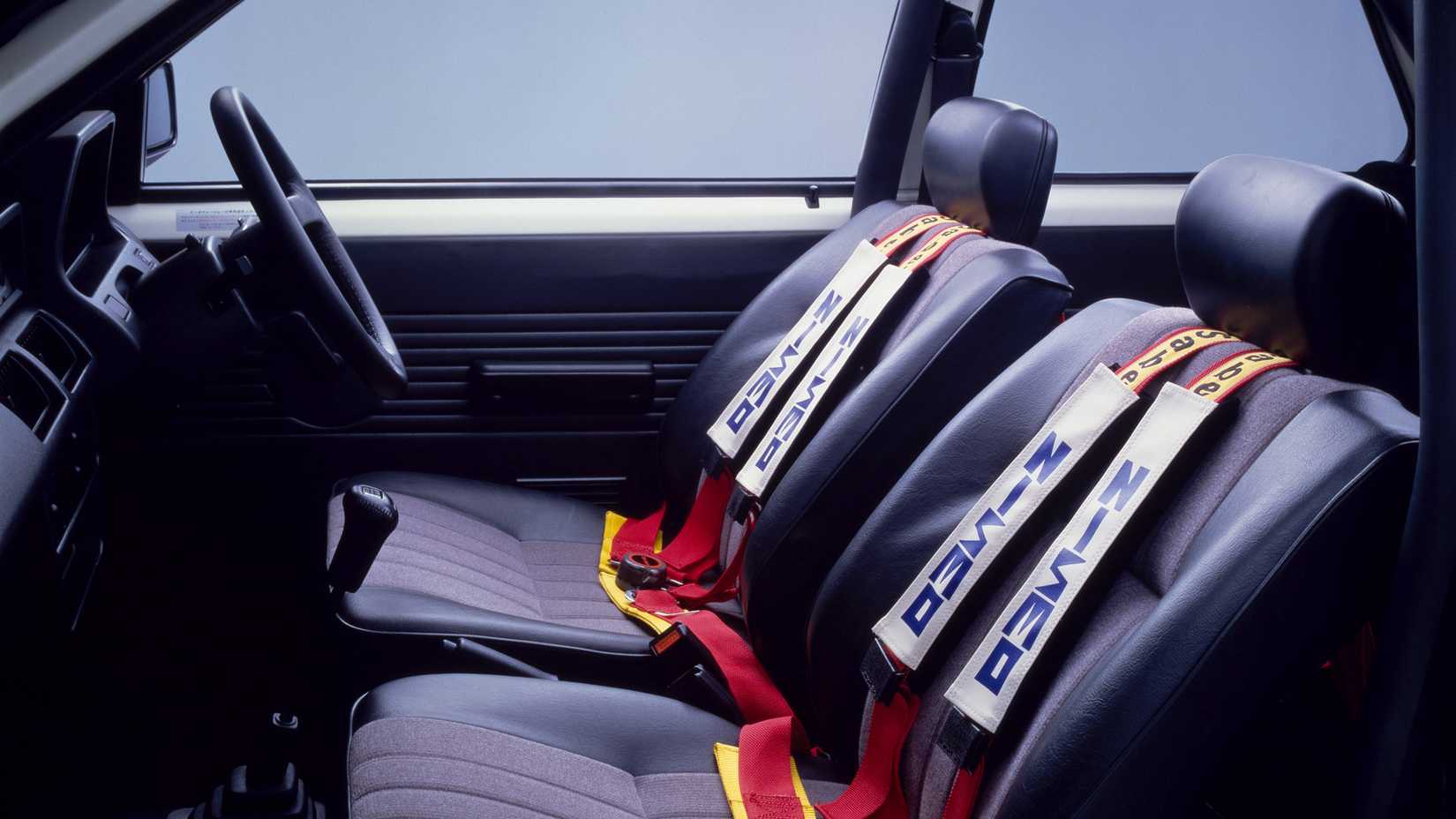
Two versions were ultimately built (the exact divide of that 10,000-unit run is unclear). The first was the March R, essentially a stripped-out road-spec version of the Dynamite Cup track car. There was no interior to speak of, save a roll cage, four-point racing belts, a racing steering wheel, and a manual gear-shifter. The Nismo livery also stayed put, as did the grille-mounted Civvies and the off-center hood scoop, although, bizarrely, the rear-lip spoiler was removed.
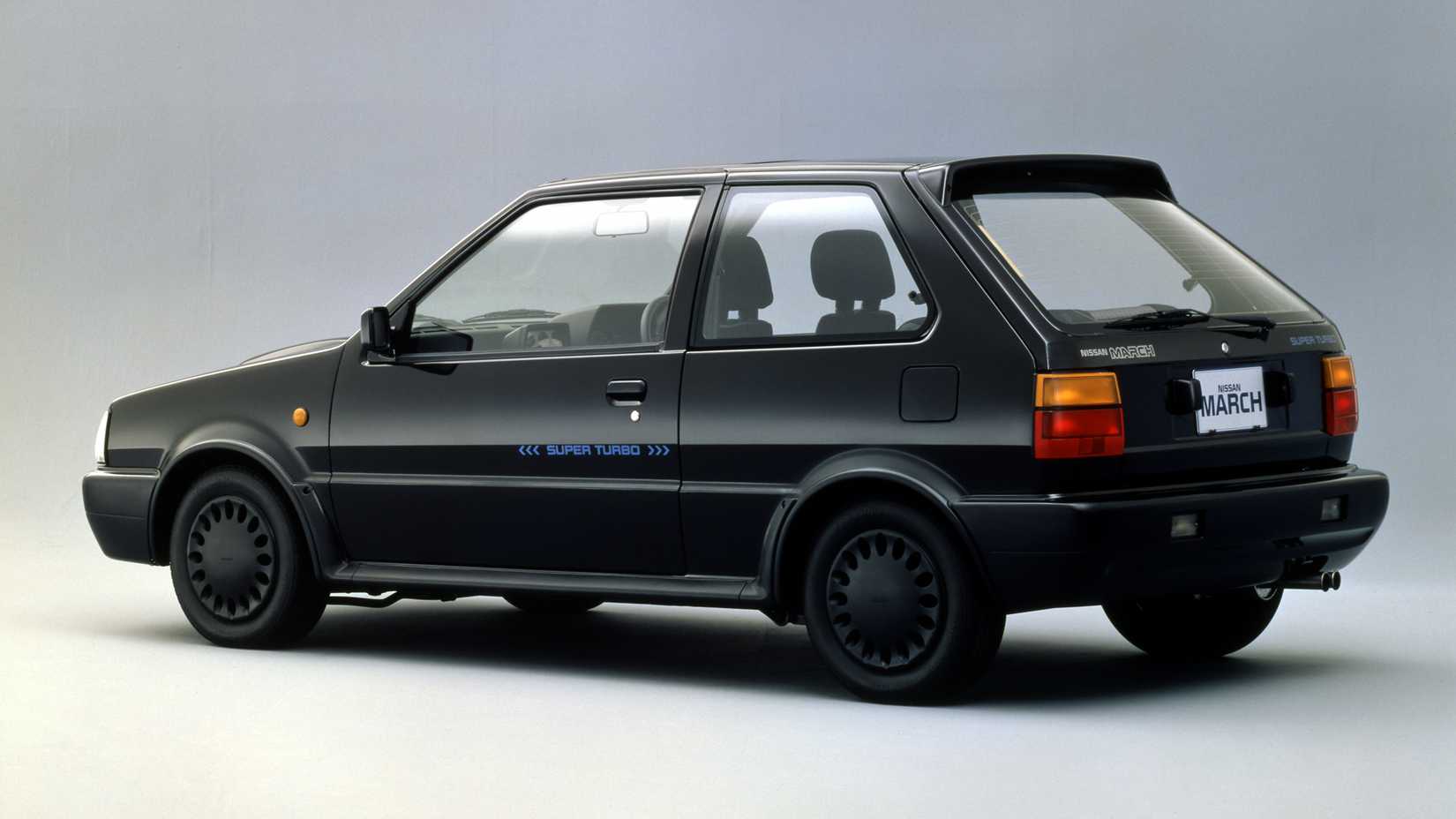
The homologated Super Turbo, meanwhile, was available with a choice of five exterior paints, and featured an actual cabin, complete with cloth passenger seats, climate control, a radio, and a choice of either a three-speed automatic or a five-speed manual gearbox. Unsurprisingly, such garish opulence tipped the scales to 1,697 lbs, 330 lbs more than the track car.
Neither Europe nor North America, however, received either the March R or the March Super Turbo during, what turned out to be, a short-lived production run. Indeed, by 1991, Nissan was already gearing up for the second-generation ‘K11’ March/Micra’s release in Japan, Europe, and Taiwan. The model would stay in production for 11 years, with 1.4 million examples built at Nissan’s UK plant alone. The twin-charge experiment would be quietly abandoned, and – 37 years after its debut – the 110-hp March Super Turbo remains the most powerful Nissan supermini ever produced. And the last with a super-turbocharged engine.
Related
Forgotten Concept Cars That Inspired Iconic Sports Cars
Yes, the Lancia Stratos is on this list.
The Few High-Performance Micras That Followed
2003 Nissan Micra R. Hot Hatch. HatchbackGlobal Nissan News
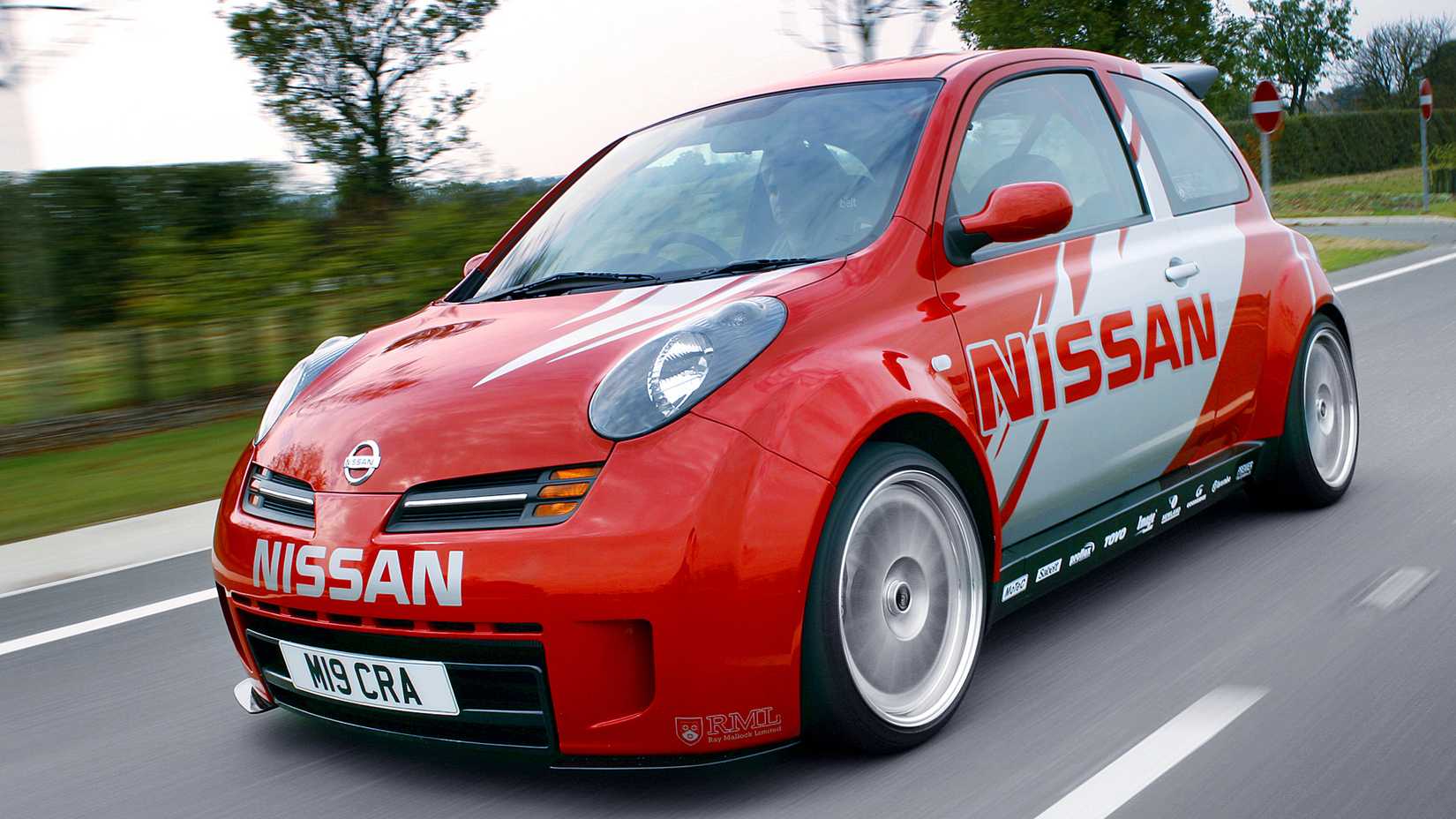
While Nissan has hitherto avoided the hot hatch arena, there have been some notable exceptions. In 2003 for example, the Japanese marque revived the ‘R’ name with a mid-engined version of the third-generation Micra. Developed in tandem with Ray Mallock’s RML Group (the race team fittingly ran Nissan’s works team in the British Touring Car Championship in the late 1990s), the Micra R was now powered by a detuned, 2.0-liter touring car engine producing 265 hp.
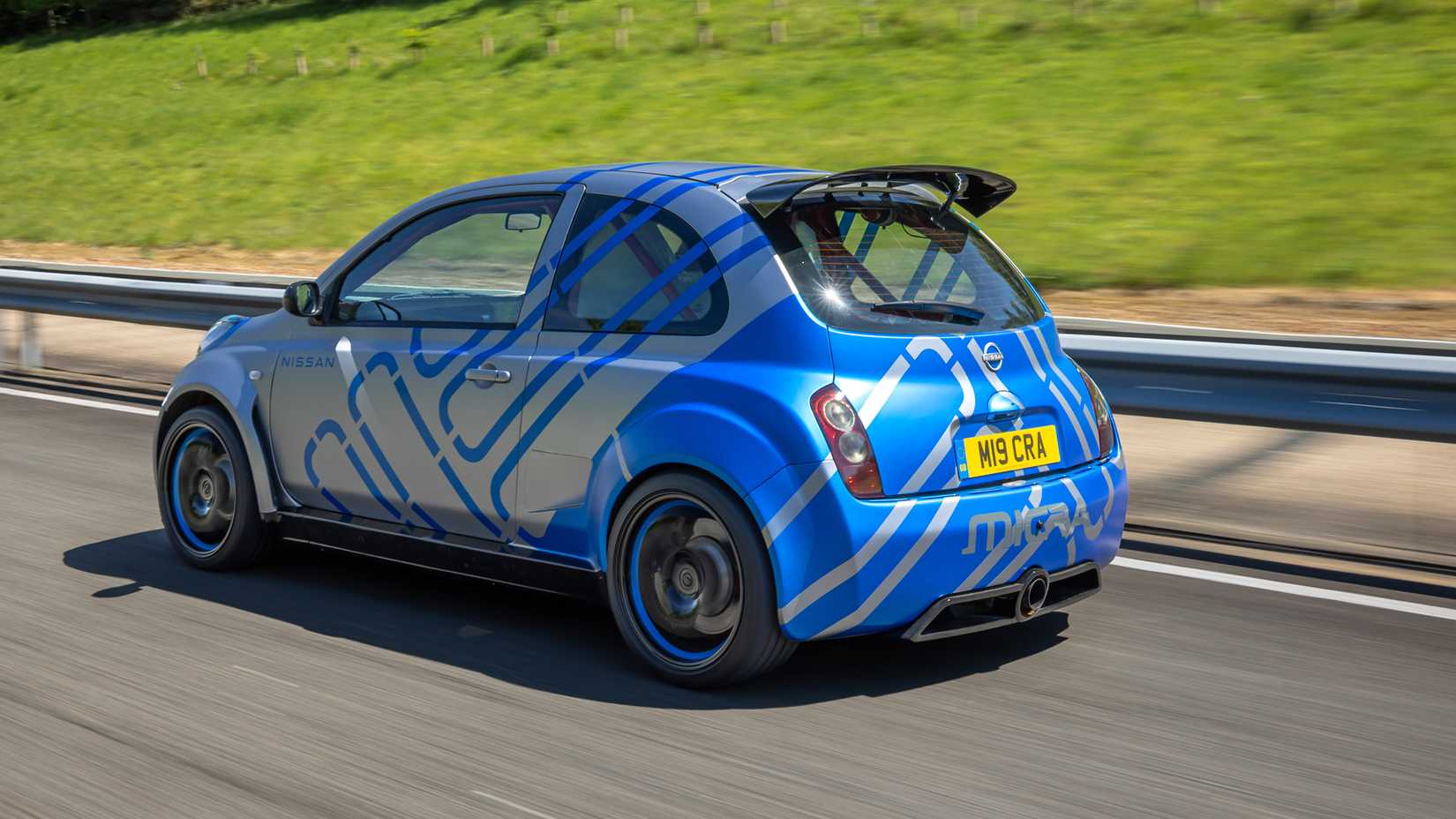
A six-speed sequential gearbox sent power to the rear wheels, and the largely drab bodywork was given a spritz with wider wheel arches and a huge rear wing. Sadly, much like its 350SR follow-up in 2005 – which swapped out the four-cylinder for a Nismo-fettled, 310-hp 3.5-liter V6 from the 350Z coupe – the Micra R was a one-off showcar used exclusively for press and promotional purposes.
Nissan Micra 350SR Concept Rear 3/4 ViewNissan
In 2014 meanwhile, Nissan introduced the limited-edition March Nismo S. Its tuned 1.5-liter four-cylinder produced a solid 114 hp, and the March now boasted a bespoke exhaust system, sportily-tuned suspension and brakes, quicker steering, and a Nismo bodykit. Somewhat fittingly, the March Nismo S was developed specifically for the Japanese market, and eventually disappeared after a short-production run.
Source: Nissan