
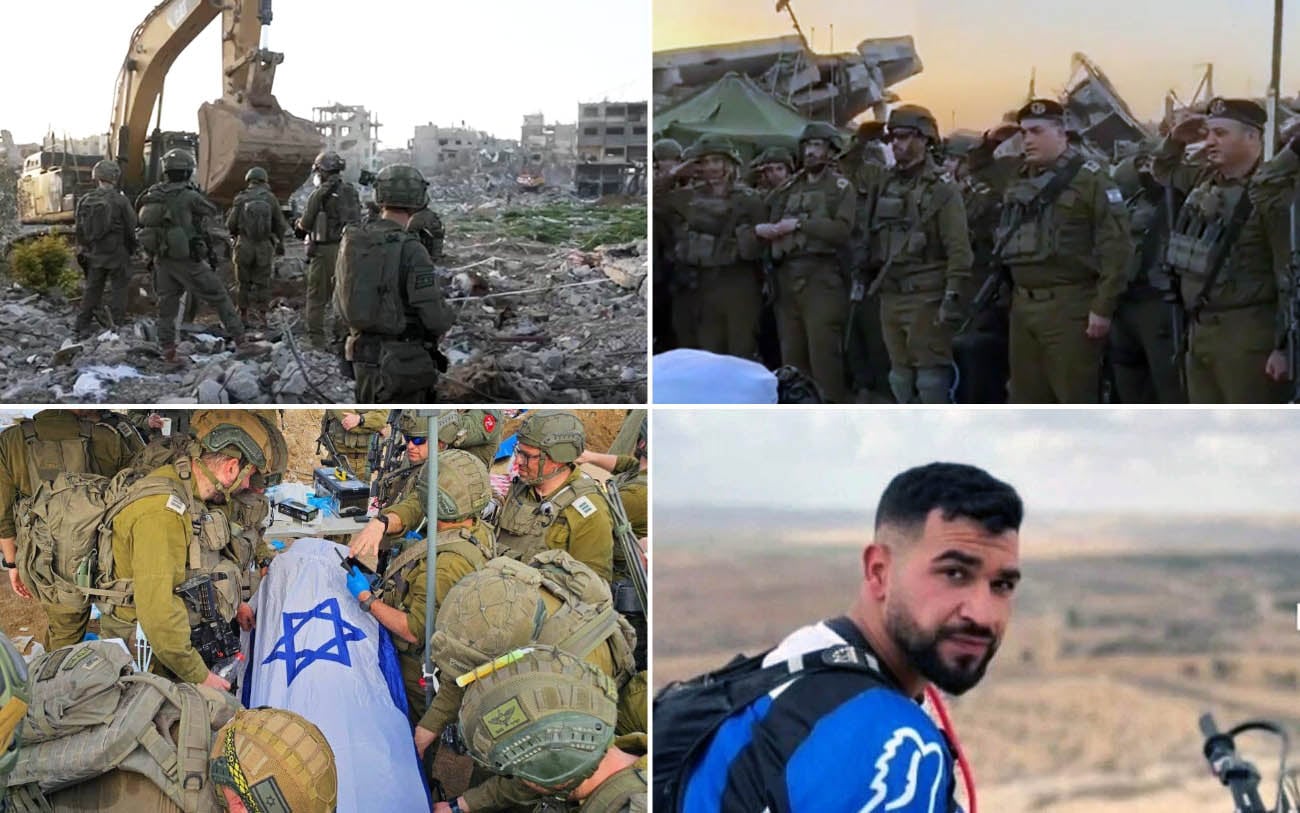
To the very last one.
That was the demand, the pledge, by the families of the hostages abducted by Hamas and other terrorists from Israel on that worst of days, October 7, 2023.
The struggle was not over, national trust in the leadership could not be restored, and Israel could not truly begin to heal, the families and most of the nation recognized, until every single hostage, the living and the slain, was returned to Israel.
And on Monday, January 26, 2026, day 843 of the war, that sacred, essential goal was achieved.
Three and a half months ago, on October 13, 2025, the final 20 living hostages were released by Hamas, a development very few Israelis had believed could happen, because it seemed as though Hamas would be giving up the best leverage it held in its bid to survive, to rise and to resume its core purpose of destroying Israel. And now, the body of Master Sgt. Ran Gvili — who put on his police uniform and went to war with a broken shoulder on October 7 — has been located by the IDF, identified and, as I write these lines, returned to Israel for burial.
Get The Times of Israel’s Daily Edition
by email and never miss our top stories
By signing up, you agree to the terms
“He went in first, he came out last. He came back,” said an exultant Prime Minister Benjamin Netanyahu, minutes after Gvili’s parents were given the news. “We promised, and I promised, to bring everyone back, and we brought everyone back… to the very last one.”
Unlike Ron Arad, the Air Force navigator still officially missing in action four decades after he ejected over Lebanon; unlike Hadar Goldin, the Givati Brigade officer killed in a Hamas ambush in 2014, whose body was finally returned to Israel two months ago — this time, nobody has been left behind.
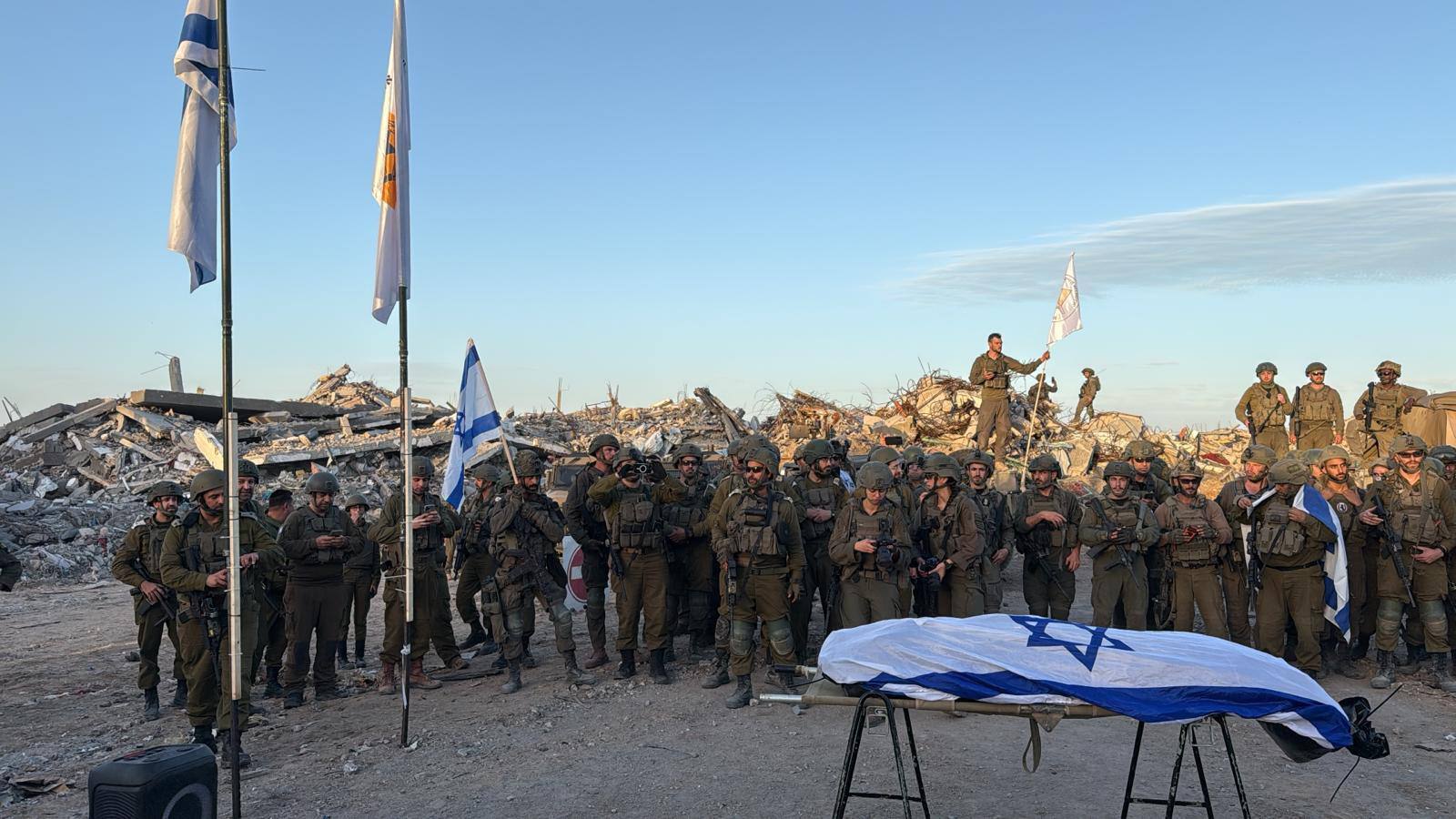
IDF troops stand by the body of Master Sgt. Ran Gvili, after it was located at a cemetery in eastern Gaza City, on January 26. 2026. (Courtesy)
Formally, the recovery of Gvili’s body completes the first phase of US President Donald Trump’s broader peace plan for Gaza, and ushers in the next phases, under which Hamas is supposed to relinquish its weapons, the Strip is to be demilitarized, the IDF is to gradually withdraw, and a new, non-threatening Gaza is to be eventually constructed.
Most imminently, Ali Shaath, the former Palestinian Authority deputy minister appointed to head the National Committee for the Administration of Gaza, announced on Thursday that the Rafah Crossing between Gaza and Egypt would open within days in both directions. And Netanyahu, who is deeply wary that any such concession will be abused by the still potent Hamas, reluctantly went along, to the fury of his far-right coalition partners. His office on Sunday night conditioned reopening the crossing on the completion of the search for Gvili’s body — a condition now successfully met.
Hamas, it should not require stressing, has not wavered from its goal of eliminating Israel. Rather, it evidently concluded that releasing, first, all 20 remaining living hostages and now, finally, the last of the 28 deceased hostages, has paved the best path to avoiding ongoing, potentially intensified US-backed Israeli military pressure. Still controlling almost half of Gaza, it believes it is creating conditions under which it will be able to fudge the issue of what exactly becomes of its arms, rebuild its personnel and resources, continue to benefit from the support of a world full of Israel-haters and fools, await more conducive US leadership, and resume its “resistance” to the Jewish state.
Israel had two clear goals for a war it had no choice but to fight against Gaza’s terrorist government in the terrible aftermath of October 7: destroy Hamas, and get all the hostages back.
The first goal is not completed; the war in its current form is over, but Hamas is not destroyed.
But the second, mercifully, has now been accomplished. Israel’s political and military leadership has cleared a critical hurdle in rebuilding its relationship with the citizenry it so catastrophically failed to protect 843 days ago. The hostages have been returned. To the very last one.
Is accurate Israel coverage important to you?
If so, we have a request.
Every day during the past two years of war and rising global anti-Zionism and antisemitism, our journalists kept you abreast of the most important developments that merit your attention. Millions of people rely on ToI for fact-based coverage of Israel and the Jewish world.
We care about Israel – and we know you do too. So we have an ask for this new year of 2026: express your values by joining The Times of Israel Community, an exclusive group for readers like you who appreciate and financially support our work.
Already a member? Sign in to stop seeing this
You appreciate our journalism

You clearly find our careful reporting valuable, in a time when facts are often distorted and news coverage often lacks context.
Your support is essential to continue our work. We want to continue delivering the professional journalism you value, even as the demands on our newsroom have grown dramatically since October 7.
So today, please consider joining our reader support group, The Times of Israel Community. For as little as $6 a month you’ll become our partners while enjoying The Times of Israel AD-FREE, as well as accessing exclusive content available only to Times of Israel Community members.
Thank you,
David Horovitz, Founding Editor of The Times of Israel