
Google has been steadily improving the Google Messages experience on Android, adding relevant new features to make messaging more fun. Unfortunately, it has now shown the same love for the Messages’ companion Wear OS app, which lacks several basic features. That will soon change, though, with Google quietly working on a couple of long-overdue upgrades to Google Messages for Wear OS.
Currently, Wear OS only lets you view incoming Google Messages notifications. Unlike on Android, you can’t mark a message as read directly from the notification panel. The Android Authority team has spotted strings in the latest Wear OS for Google Messages release that point to this feature coming soon to the app.
Once available, you should be able to directly mark a message as read right from the notification center on your Wear OS watch. Currently, incoming text notifications in Wear OS contain quick reply shortcuts and a call button. The Mark as Read option only shows up for texts received from numbers you can’t reply to.
Google is also working on bringing emoji reactions to Google Messages on Wear OS. On Android phones, you can react to messages using Photomoji or emoji, but Wear OS currently only lets you view those reactions. The company appears to be adding support for emoji reactions directly on its smartwatch platform.
Google Messages for Wear OS has a long way to go
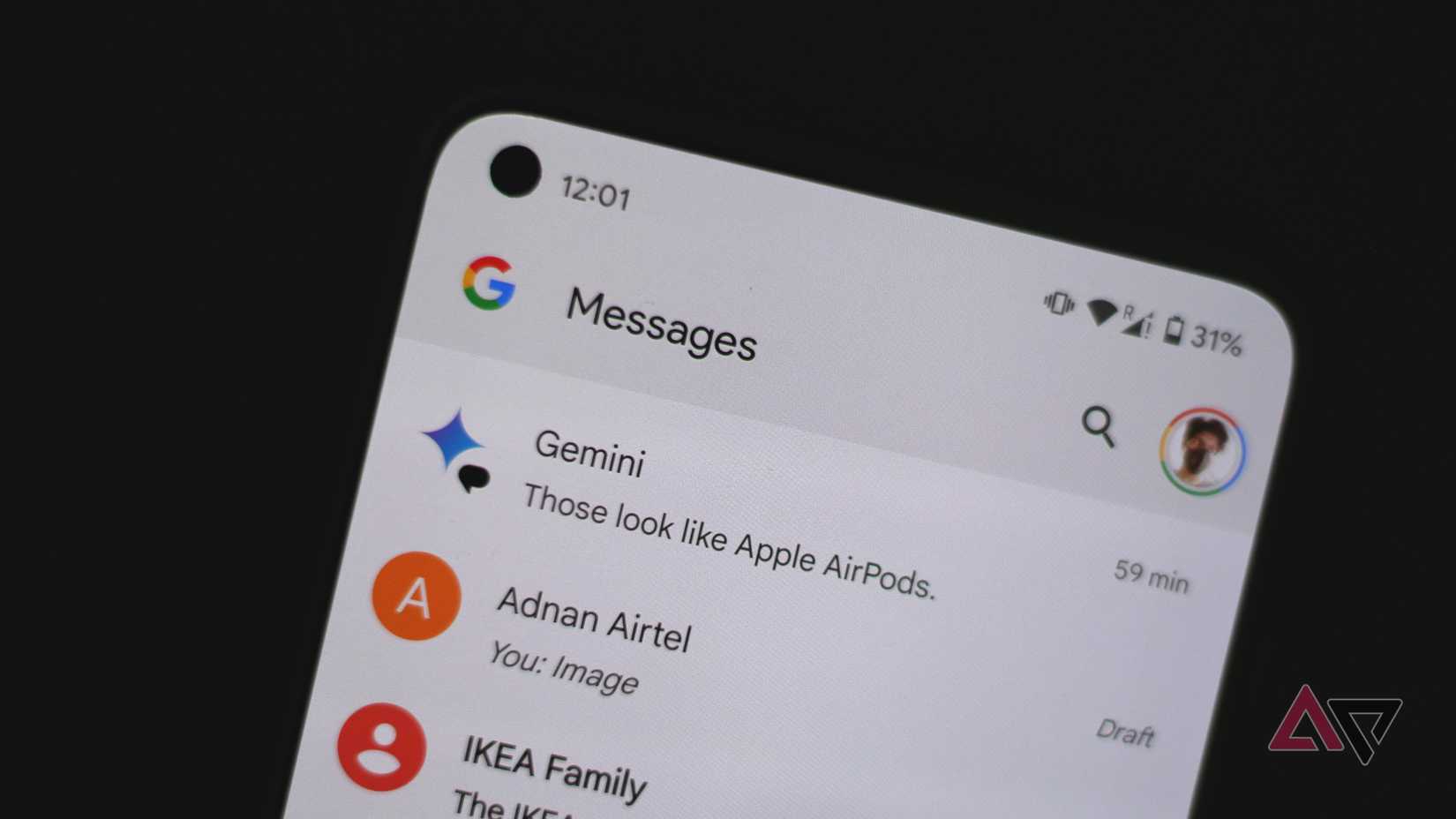
While both these improvements would be welcome, there’s a lot more Google can do for the Google Messages app for Wear OS to improve the texting experience. The app currently packs bare-bones features, making it good enough only to quickly glance at incoming texts and send quick replies, but that’s about it. The notification actions are pretty limited, and you can’t directly edit a sent message from the watch itself.
By comparison, Apple delivers a much better experience with its Messages app on the Apple Watch.
As with many Google features spotted through code strings, there’s no clear timeline for when these changes will roll out publicly. Google could push them via a server-side update, or they could remain in limbo for months before launch. In any case, based on the strings, these changes should appear on the Google Messages beta channel sooner rather than later.