
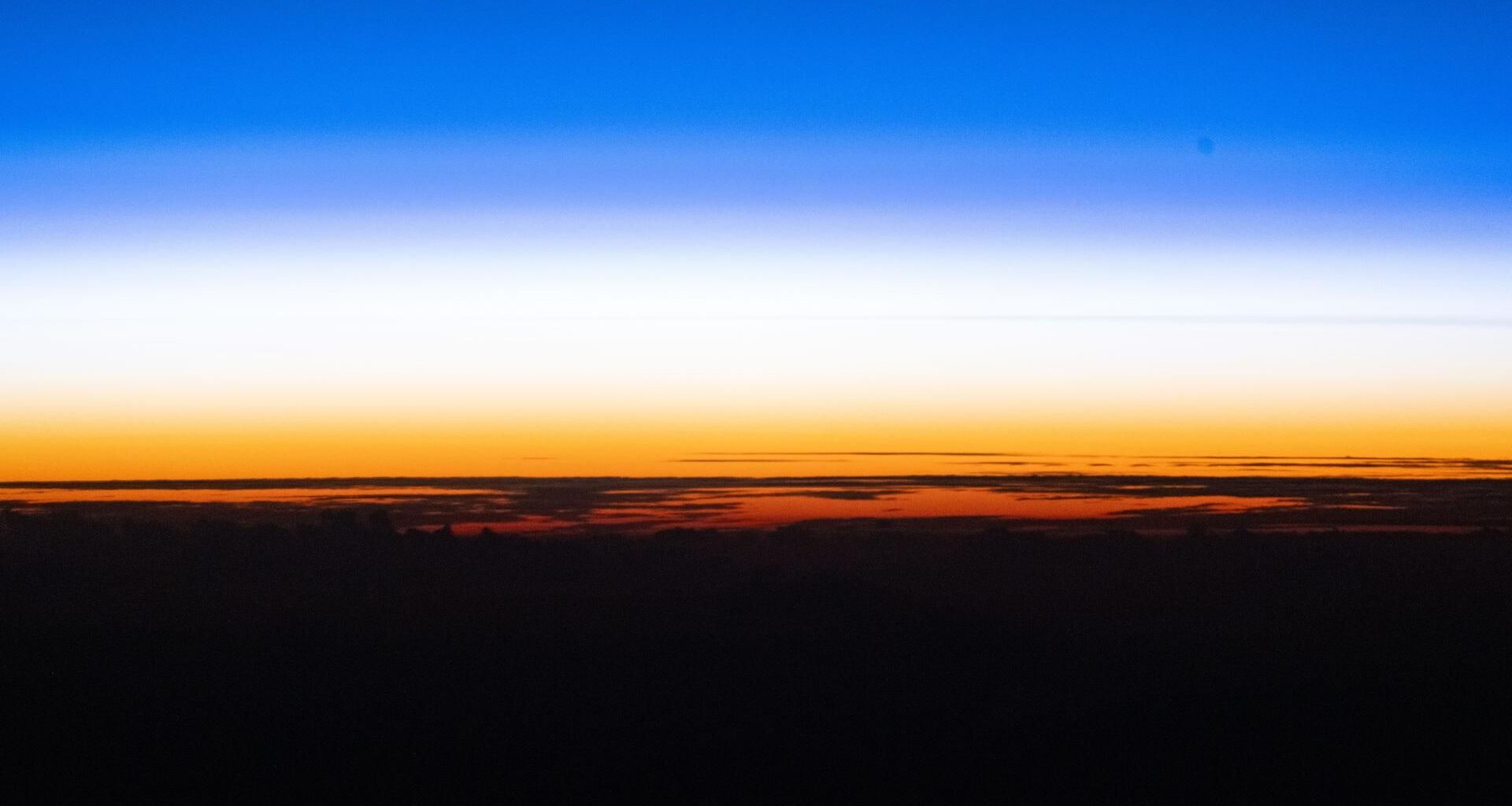
Aboard the International Space Station (ISS), astronauts can watch the sun “set,” not behind a horizon of mountains or buildings, but behind the curved edge of an entire planet. In this recent image taken in early January 2026, the clouds above the Pacific Ocean are silhouetted in the golden light from the sinking sun. It’s a breathtaking view that reminds us of our place in the solar system — that we’re just one planet of many, each with its own version of the sunset.
Circling Earth every 90 minutes, the station is constantly moving through changing light and shadow, which is why the astronauts on board experience 15 or 16 sunrises and sunsets every day.
You may like
Where is it?
This image was taken above the Pacific Ocean in low Earth orbit.
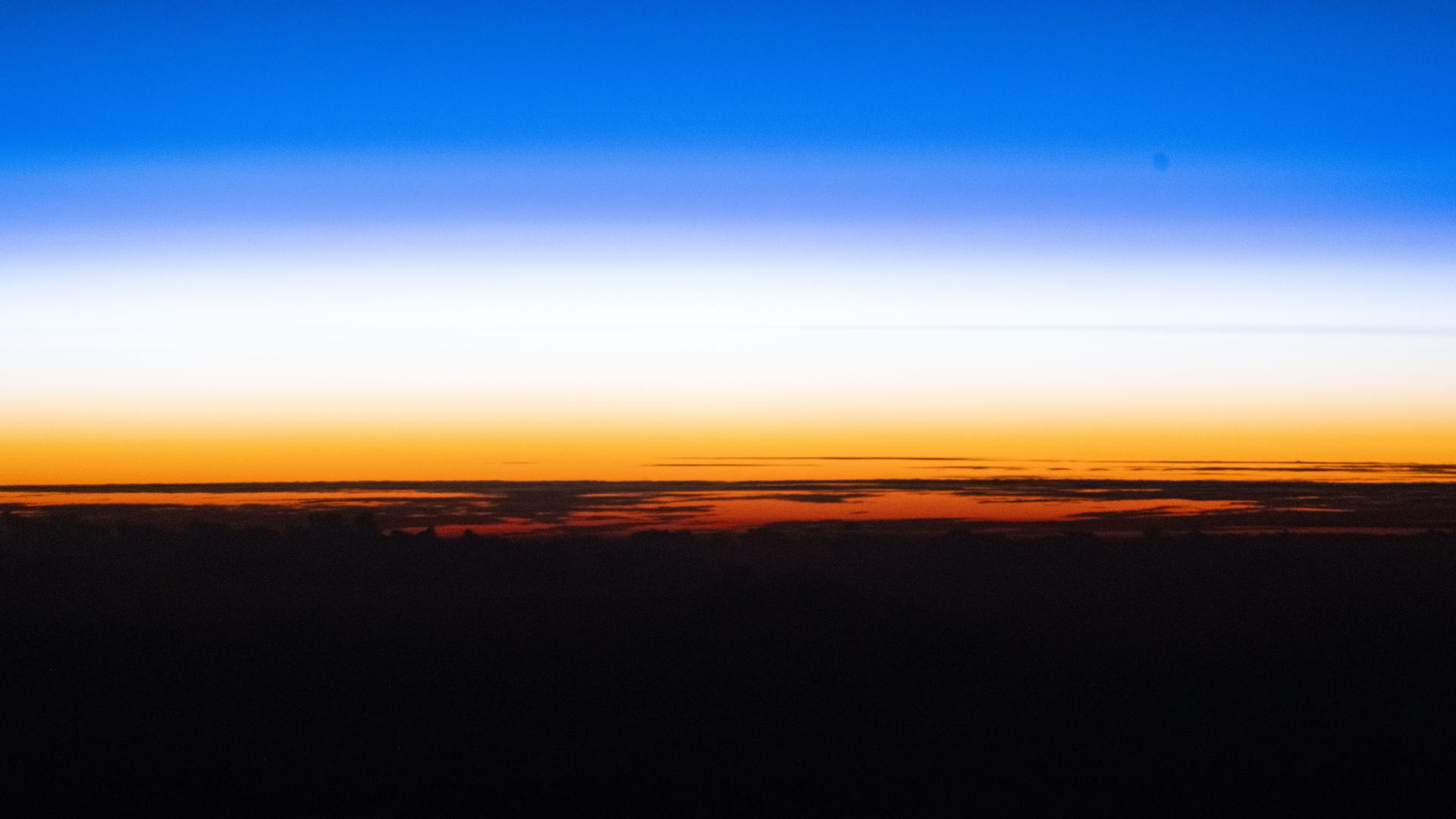
Just one of many sunsets that astronauts on the International Space Station get to experience every day. (Image credit: NASA/Chris Williams)Why is it amazing?
From the ISS, the sun doesn’t dip behind Earth’s horizon but instead the station itself flies into Earth’s shadow. The transition is quick, within minutes rather than hours (given the speed at which the station travels), and the colors of the sunset can be striking because astronauts are looking through Earth’s atmosphere at a different angle. That path through air bends and filters sunlight, scattering blues and letting reds and oranges linger, often creating a razor-thin gradient that stretches thousands of miles along the planet’s curve.
A sunset seen from the ISS gives a front-row demonstration of how light interacts with matter — scattering, absorption and refraction — playing out on a planetary scale. It also can be a perspective tool, reminding astronauts aboard the space station that Earth is just one big system, not a map of disparate areas.
Want to learn more?
You can learn more about the International Space Station and Earth’s atmosphere.