
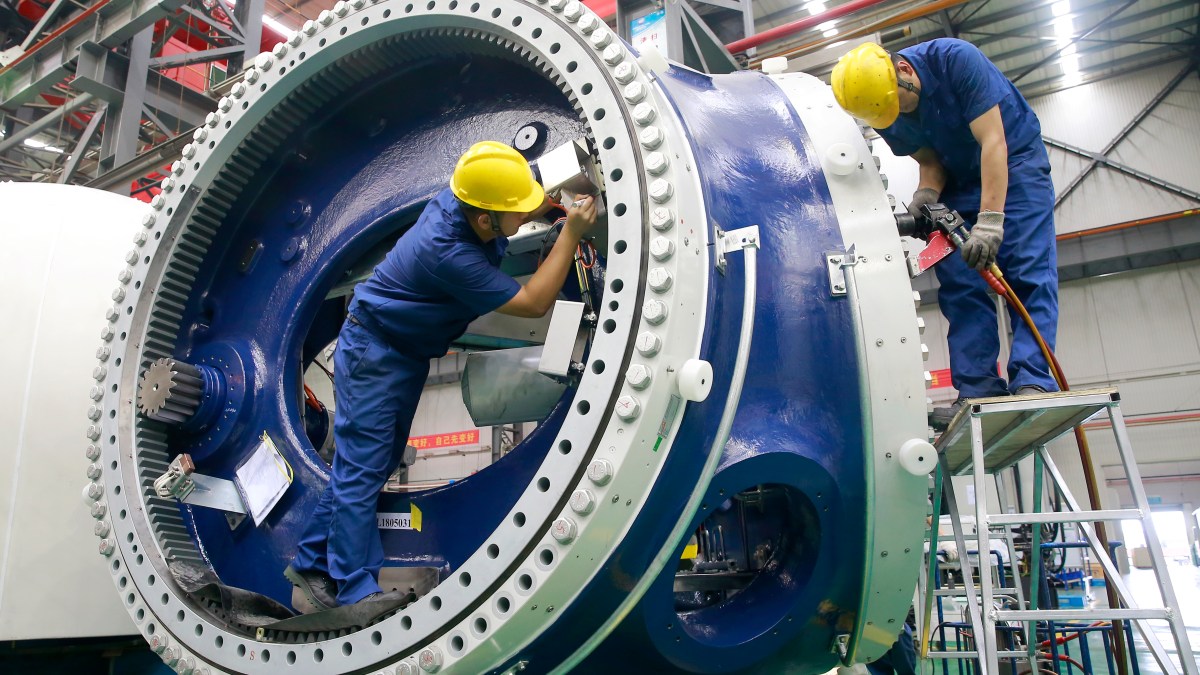
Sir Keir Starmer has delayed plans to announce China’s first wind turbine factory in Britain amid warnings it could present a security threat and make the country dangerously reliant on Beijing for renewable energy.
The prime minister had been expected to give the go-ahead for the £1.5 billion wind turbine plant in Scotland, which would create up to 1,500 jobs, during his trip to Beijing, which starts on Wednesday. He will be the first prime minister to visit China since Theresa May in 2018.
Whitehall sources confirmed that the deal with the Chinese company Mingyang would not be announced and a decision on whether to back the project would be taken later. A Downing Street spokesman said it had never intended to announce a decision on the project as part of the trip.
It follows warnings that allowing the factory to go ahead could leave the UK dangerously exposed to China for the infrastructure needed to power Britain’s transition to renewable energy.
Chinese wind turbines, the development of which has been heavily subsidised by the state, can be up to 50 per cent cheaper than their European competitors.
• What will the UK get out of Sir Keir Starmer’s visit to China?
Europe’s largest turbine manufacturers, Siemens, Vestas and Orsted, have all been hit by President Trump’s decision to halt leases for offshore wind projects under construction in the United States and are increasingly reliant on the European market for their continued viability.
Downing Street has been warned that allowing Mingyang to set up in the UK could fatally undermine existing European supply chains and leave Britain entirely reliant on China.
There are also concerns in government about the Chinese having access to critical infrastructure when it comes to installing, maintaining and controlling remotely offshore wind turbines in British seas.
The security services are understood to have been asked to produce a report for Downing Street on the risk to the UK’s critical national infrastructure should the deal go ahead.
Government sources also suggested that Starmer wanted to avoid potentially antagonising Trump, which could derail the highly choreographed visit to Beijing.
He has been a vocal critic of wind farms and last week threatened to slap tariffs of up to 100 per cent on Canadian imports after Mark Carney, the prime minister of Canada, announced plans for a “strategic partnership” with Beijing to reduce tariffs.
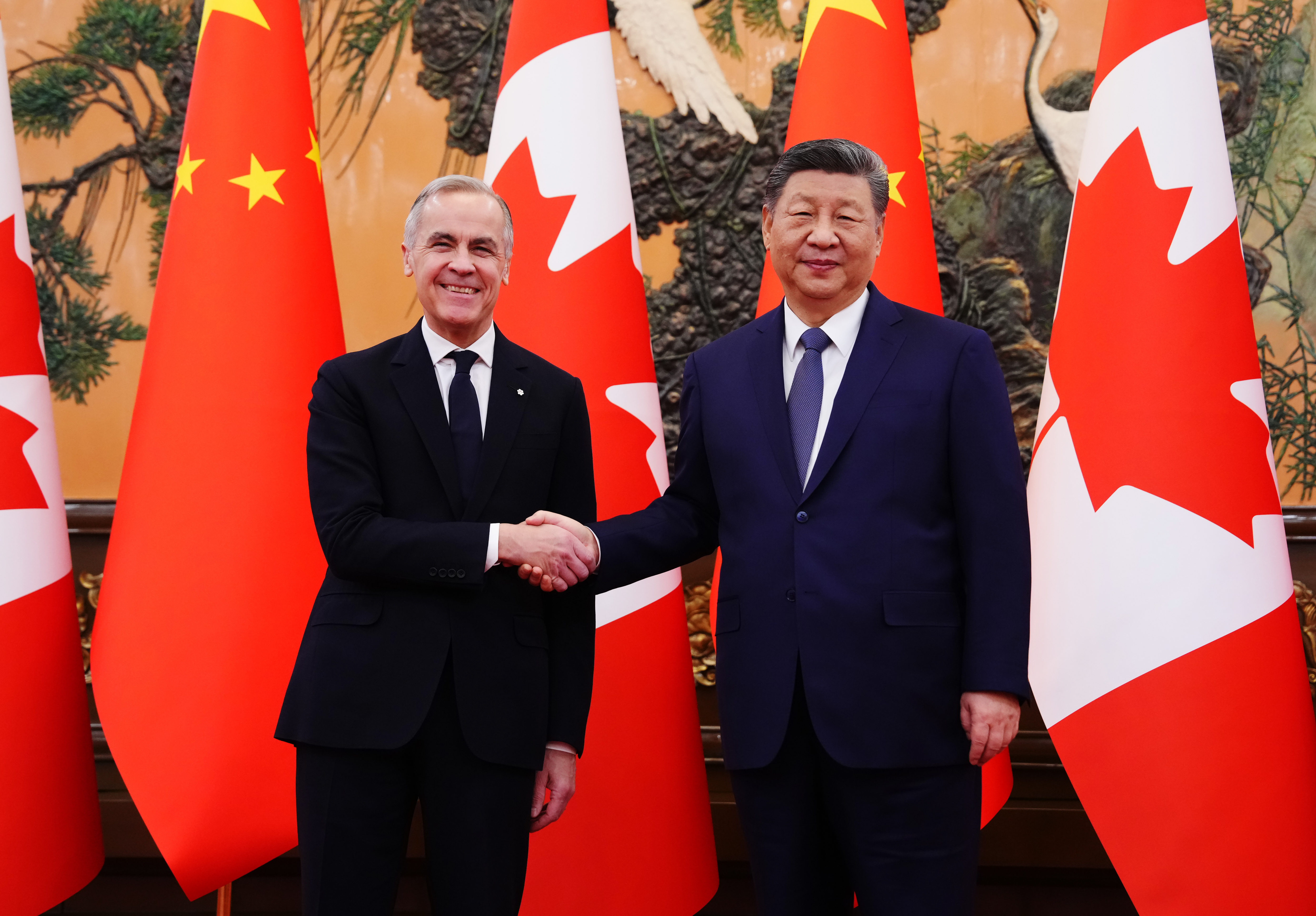
Mark Carney with President Xi in Beijing this month
SEAN KILPATRICK/THE CANADIAN PRESS/AP
One UK government source insisted that the planned factory, which is earmarked for Ardersier in Inverness-shire, could still be given permission and stressed that no decision had been taken.
Mingyang, which is the largest private wind turbine manufacturer in China, announced its intention to build the UK’s largest wind turbine manufacturing facility in Scotland last October.
The company said it would invest up to £750 million in the first phase of its investment before expanding to create an “offshore wind industry ecosystem” around the hub.
It said that it had held extensive discussions with the UK and Scottish governments over the past two years on its plans, as well as holding commercial discussions with Great British Energy, the National Wealth Fund, the Scottish National Investment Bank, the Crown Estate and UK Export Finance. It is understood to be looking for UK government investment in the project and would also need clearance on national security grounds.
In June the Financial Times reported that the Trump administration warned the UK government about national security risks that could arise if Mingyang was allowed to build its plant in Scotland and supply its technology to North Sea wind farms.
• UK should stop China buying key infrastructure, says US official
Liam Byrne, the Labour chairman of the Commons business and trade committee, said the deal should not go ahead. “We need to be far more vigilant than we have been about safeguarding the UK economy from coercion and unfair competition from China,” he said.
“If we do not block China from projects such as this, we risk Beijing using unfair state subsidies to undermine UK and EU energy independence by destroying the renewable energy market in Europe.”
Joss Garman, executive director of the think tank Loom, said: “Although in the short term a wind deal could cut the cost of turbines and create jobs in Scotland, it would also enable China to consolidate greater control over the future supply and cost of energy here, threaten jobs in European wind firms, create security challenges, and provoke a trade reaction from both Trump and European governments.”