
The Day After: Building Israel’s Future When the Last Hostage Comes Home
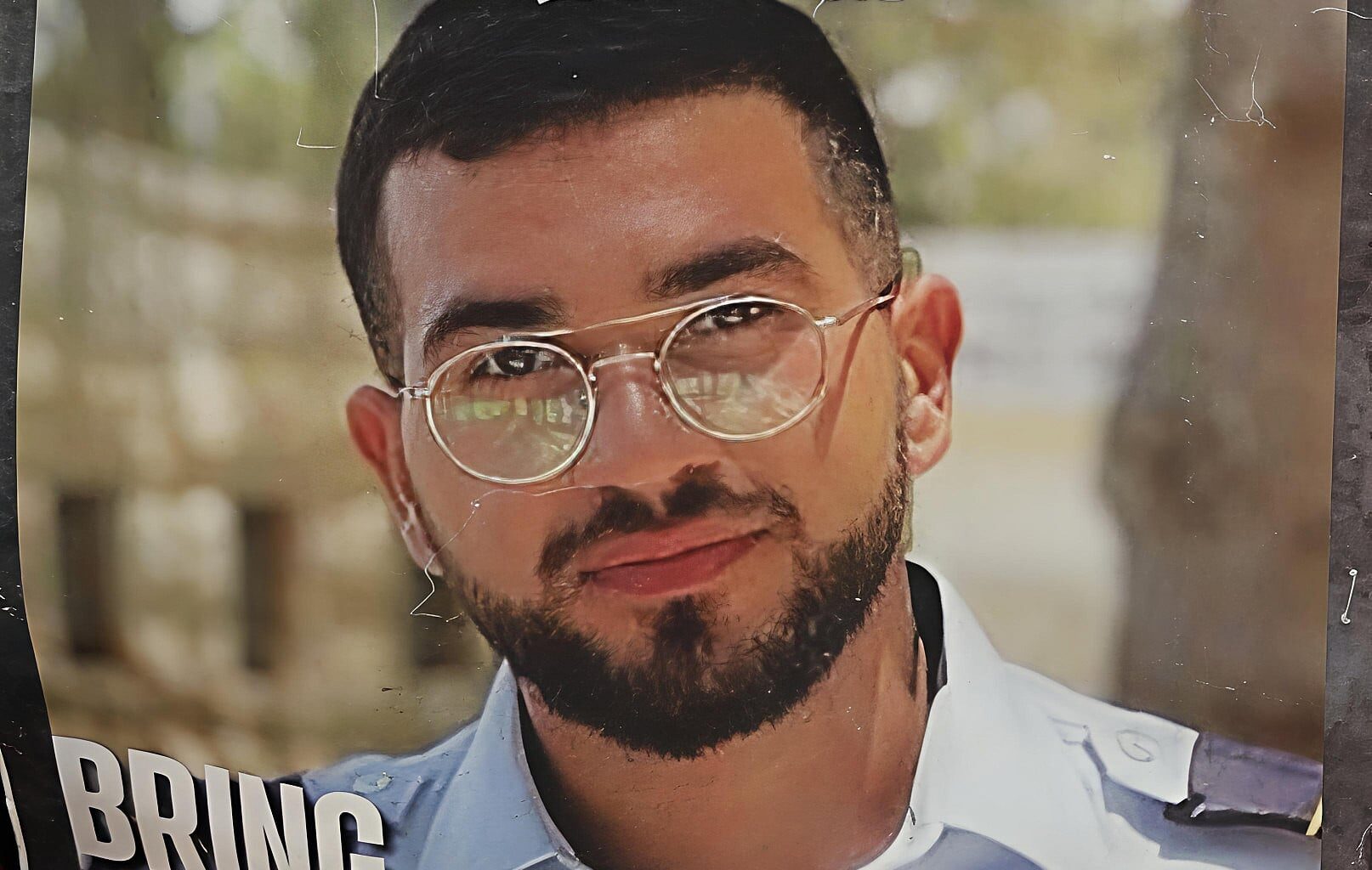
January 26th, 2026 will be remembered as a painful and defining day in Israeli history. On the eve of International Holocaust Remembrance Day, the final hostage from Gaza was returned. Ran Givli z”l was finally brought home, not alive, but home nonetheless. With his identification and burial, the yellow ribbons, pins, bracelets, and tags that marked more than 830 days of collective anguish can at last be removed. They should never have been needed in the first place, and God willing, never again.
The emotions of that day were impossible to separate. Relief that he was no longer lost. Grief that he did not survive. Pride in a nation that never stopped fighting to bring its people home. Israel does not abandon its own. That principle is not a slogan. It is a national instinct, written deep into Jewish history and reinforced by the scars of the twentieth century.
For more than two years, the entire country lived with the hostages in mind. Every family dinner, every public event, every military decision was framed by their absence. Now that the last name has been returned to the soil of Israel, the nation stands at a crossroads. Mourning does not end. Memory does not fade. But the time has come to build.
Israel must now shift its collective focus from survival mode to strategic renewal. That does not mean lowering its guard. It means strengthening the foundations that allow the country to survive independently in a hostile region and an unreliable world. The lesson of the past years is brutally clear. Israel can cooperate with allies, but it can never rely on them.
Self sufficiency is no longer an aspiration. It is a necessity.
Israel already possesses one of the most advanced defense industries in the world. Companies such as Elbit Systems develop cutting edge military electronics, drones, command and control systems, and advanced battlefield technologies used by NATO countries and democratic allies worldwide. Rafael Advanced Defense Systems is responsible for some of the most critical missile defense technologies ever created, including Iron Dome, David’s Sling, and precision strike systems that have saved countless civilian lives. Israel Aerospace Industries designs and manufactures satellites, unmanned aerial vehicles, radar systems, and aerospace technologies that place Israel among a small group of elite technological nations.
But defense alone is not enough. True independence requires strength across every sector.
In agriculture, Israel has already achieved what many thought impossible. Through drip irrigation, desert agriculture, water recycling, and precision farming, Israel produces food in some of the harshest conditions on earth. Israeli agri tech companies have transformed arid land into productive farmland and developed technologies now used across Africa, Asia, and Latin America. Continued investment in agricultural innovation ensures food security regardless of geopolitical pressure or supply chain disruption.
In medicine and biotechnology, Israel stands at the forefront of global innovation. Israeli researchers and companies lead breakthroughs in cancer treatment, medical imaging, digital health, and emergency medicine. Technologies developed in Israel save lives daily in hospitals around the world. Strengthening domestic pharmaceutical production, medical device manufacturing, and health data innovation ensures that Israel remains resilient in times of crisis when global systems fail.
The energy sector must also be a priority. Natural gas discoveries in the Mediterranean already provide Israel with strategic leverage and energy independence. Continued development of renewable energy, battery technology, and grid security will further reduce vulnerability to external pressure and regional instability.
Cybersecurity, artificial intelligence, and space technology are equally critical. Israel’s cyber industry protects financial systems, infrastructure, and communications across the globe. Expanding these capabilities not only protects Israel but strengthens its economic power and deterrence.
Israel has long been called the Startup Nation. The next chapter must be the Sovereign Nation. A country that builds, produces, invents, and defends itself without asking permission to exist.
This is not arrogance. It is realism shaped by history. Jews know better than anyone what happens when survival depends on the goodwill of others.
The return of the last hostage closes a chapter of unimaginable pain. It also opens a new one. A chapter of rebuilding. Of investing. Of strengthening every industry that allows Israel to stand tall, independent, and unbreakable.
Strength is not the opposite of morality. Strength is what protects morality from annihilation.
Ran Givli did not come home alive, but he came home to a nation that remembers, learns, and builds. The greatest tribute to those who were lost is an Israel that is stronger than ever, economically, technologically, militarily, and spiritually.
The yellow ribbons may come off, but the responsibility remains
Am Yisrael Chai.
Time To Stand Up for Israel
Time To Stand Up for Israel is an independent foundation dedicated to fighting misinformation, countering antisemitism, and providing clear, fact-based education about Israel. We do not engage in internal Israeli politics. We stand on two core principles: Israel has the right to exist. Israel has the duty to defend itself. Support our work: Donate and/or subscribe at: www.timetostandupforisrael.com

CEO of Time to Stand Up for Israel, a nonprofit organization with a powerful mission: to support Israel and amplify its voice around the world. With over 200,000 followers across various social media platforms, our community is united by a shared love for Israel and a deep commitment to her future.
My journey as an advocate for Israel began early. When I was 11 years old, my father was deployed to the Middle East through his work with UNTSO. I had the unique experience of living in both Syria and Israel, and from a young age, I witnessed firsthand the contrast in cultures and realities. That experience shaped me profoundly.
Returning to the Netherlands, I quickly became aware of the growing wave of anti-Israel sentiment — and I knew I had to speak out. Ever since, I’ve been a fierce and unapologetic supporter of Israel. I’m not religious, but my belief is clear and unwavering: Israel has the right to exist, and Israel has the duty to defend herself.
My passion is rooted in truth, love, and justice. I’m a true Zionist at heart.
From my first breath to my last, I will stand up for Israel.