
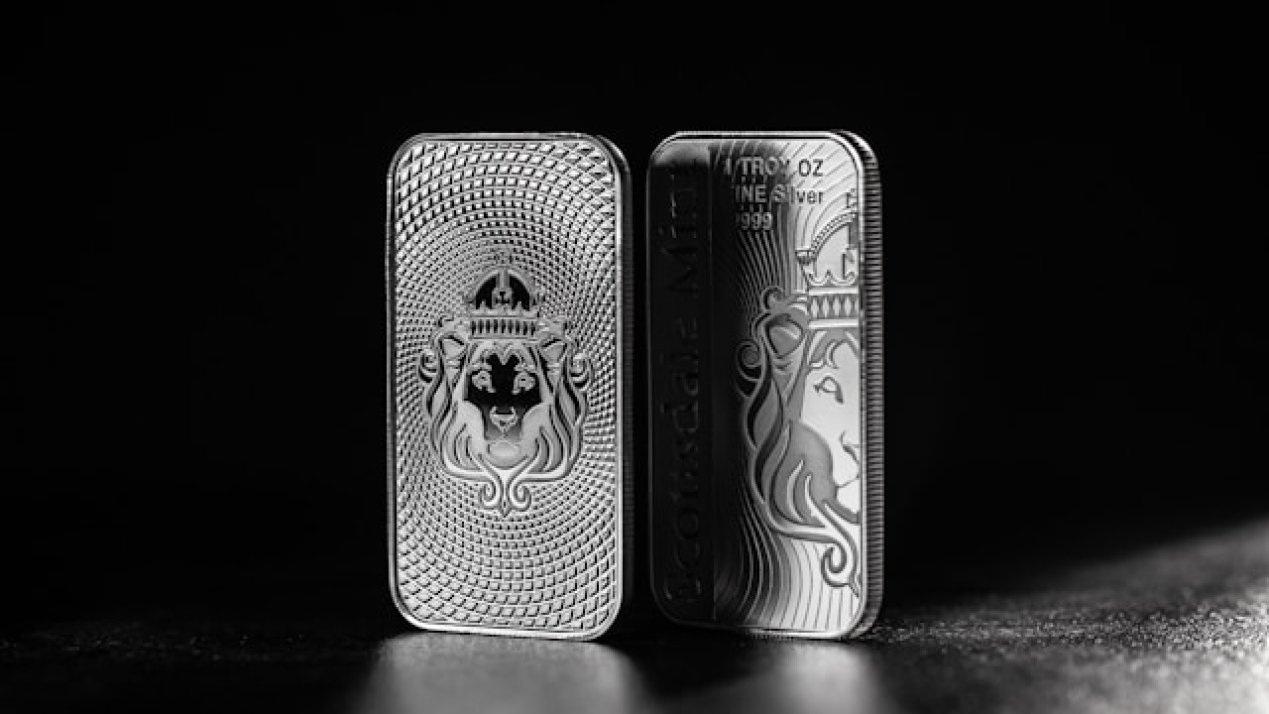
Silver is surging into 2026, with Citigroup forecasting spot prices could reach US$150/oz within the next three months after climbing nearly 50% in January. Strong Chinese demand, tight global supply, and growing industrial use in solar, EVs, and data centers are driving the rally. Analysts at Citi, including Max Layton, highlight robust buying activity in China and note that higher prices will likely be necessary to encourage current holders to sell. In a note, Citi described silver as “gold on overdrive,” adding that the rally may persist until silver appears historically expensive relative to gold.
Silver hit a new peak of US $117.71/oz on Jan. 26, climbing as much as 14% in a single session, the largest intra-day gain since the 2008 financial crisis. The surge has been fueled by strong physical demand and speculative interest in a market that remains relatively tight, with Chinese buyers leading the momentum. Citi analysts also note that if the gold-to-silver ratio returns to the 2011 low of 32:1, silver could potentially reach US $170/oz.
Despite these gains, headwinds persist. Outflows from silver-backed ETFs, selling in futures markets, and declining US warehouse inventories have all contributed to volatility. Still, the speed and magnitude of silver’s rally have prompted caution, with traders warning that dramatic price swings of this nature are often closer to their peak than the beginning.
“History suggests that this rally is much nearer to its end than its beginning,” Marc Loeffert, trader, Heraeus Precious Metals wrote in a note. “The gold/silver ratio has been lower than today several times in the past but has rarely seen such a large swing in such a short time.”
Silver in 2025: Supply Crunch and Industrial Demand
Silver, often called the “Devil’s metal” due to its volatility. In 2025, prices peaked at US $57.16/oz in late November, marking a 90% increase year-on-year, before briefly retreating and resuming upward momentum into 2026. The rally was driven by a combination of supply constraints, industrial demand, and strong consumer interest, particularly from India, the world’s largest silver consumer.
Logistical pressures intensified the squeeze, with some shipments transported by air rather than cargo ships to meet delivery obligations. London vault inventories fell dramatically, from 31,023mt in mid-2022 to 22,126mt by March 2025, pushing borrowing costs for silver positions to extreme levels.
India drove a significant portion of demand through jewelry, utensils, and festival purchases, particularly during the harvest season and the Diwali festival, which traditionally boosts silver buying.
Industrial consumption also played a role, with electrification, artificial intelligence, and solar energy applications increasingly reliant on silver. Electric vehicles alone require 25–50g of silver per unit, with potential future battery technologies requiring even more.
Although industrial demand slightly declined in 2025 due to global economic uncertainty, silver’s dual role as both a precious and industrial metal, coupled with tight supply, positioned it for continued upside. Analysts suggest that the dynamics established in 2025 set the stage for further gains in 2026, consistent with Citi’s forecast of silver potentially reaching US$150/oz in the coming months.
Geopolitics and Silver Volatility
Silver is highly sensitive to geopolitical developments, which can influence both investment and industrial markets. Trade policies, tariffs, export restrictions, and supply chain dependencies often create sharp price swings as nations seek to secure strategic resources. Dominance by major producers, particularly China, and policy decisions in consuming countries can amplify volatility, making silver both a financial and industrial barometer of geopolitical risk.
For example, on Jan. 15, 2026, silver prices dropped nearly 7% after hitting an all-time high of US$93.75/oz the previous day, before settling around US$90/oz. This pullback coincided with US President Donald Trump’s decision to delay broad tariffs on critical minerals, including silver, favoring targeted bilateral negotiations and potential price floors to safeguard national security. The US Section 232 review had previously flagged silver as a critical mineral due to the country’s reliance on foreign sources, which contributed to heightened investor sensitivity and short-term volatility.
US COMEX inventories currently total roughly 434Moz, up 100Moz from 2024, yet geopolitical concerns remain significant. China continues to dominate refining for 19 of the 20 most strategic minerals, highlighting the potential for supply disruptions. Industrial and strategic demand also continues to underpin prices.
The solar photovoltaic (PV) sector has grown to account for 29% of industrial silver demand in 2024, up from 11% in 2014. Despite the elimination of federal green energy subsidies in July 2025, US solar generation is forecast to grow at a 14% CAGR through 2030, driven by state-level incentives in the United States and demand from data centers. Oxford Economics anticipates that EVs will become the primary source of automotive silver demand by 2027.
The expansion of digital infrastructure further supports this trend. Global IT power capacity has expanded by approximately 53 times since 2000, reaching nearly 50GW in 2025. This growth needs substantial silver for servers, switches, and cooling systems within the world’s 4,600 data centers.
Silver vs. Gold: 2026 Outlook
As 2026 begins, silver enters the year with strong momentum, prompting analysts to weigh its prospects against gold, the traditional safe-haven asset, to determine which metal may lead this year. Gold continues to attract investors seeking protection against market volatility, inflation, and geopolitical uncertainty. Prices recently hovered above US$5,100/oz, with forecasts suggesting a potential year-end near US$5,200/oz. Central bank purchases, sustained geopolitical tensions, and safe-haven demand underpin gold’s stability, making it a reliable store of value.
Silver, in contrast, combines investment appeal with industrial utility, creating a highly dynamic market. HSBC analysts cautioned, however, that its rally may not reflect a shift toward safe-haven status. “After a year-on-year rise of more than 200% in the silver price, you may wonder if it’s time to sell the family silver!” they wrote. “It is unlikely that silver has become a new safe-haven asset. What’s more likely is that, as it began to catch up with gold, momentum took over and retail investors joined in, just as industrial demand has been picking up.” The bank noted that the gold-to-silver ratio, unusually high in April 2025, has swung sharply lower even as gold rose roughly a third over the same period.
HSBC maintains a cautious stance for both metals. Analysts project gold could reach $5,050/oz in the first half of 2026 but anticipate potential corrections later, with a year-end range of US$3,950–US$5,050/oz and an average of US$4,450/oz. Factors such as fading geopolitical tensions or U.S. monetary policy shifts could deepen the pullback, although strong central bank and retail demand remains supportive.
Rodolphe Bohn, HSBC strategist, emphasized gold’s role as a portfolio diversifier. “We believe that investors can benefit from diversifying their exposure to global assets, particularly foreign exchange, through gold,” he said. He highlighted a weaker US dollar, ongoing geopolitical risks, and ETF demand as key drivers, while acknowledging that unexpected Fed actions or improved global economic conditions could limit upside.