
Munich. The BMW Group once again reduced the
CO2 emissions of its vehicle fleet sold in the European
Union (EU27+2: EU, Norway, Iceland) in financial year 2025. Based on
preliminary internal calculations, the figure came in at 90.0 grams
per kilometre according to WLTP (2024: 99.5 grams per kilometre). This
represents a reduction of approximately 9.5% in these emissions
compared to 2024.
The applicable fleet target limit for the BMW Group set by the
European Union (EU27+2: EU, Norway, Iceland) stood at 92.9 grams in
2025. The company was thus able to outperform this target by 2.9 grams.
“We once again overfulfilled Europe’s ambitious CO2
targets in 2025 – without relying on flexibility mechanisms or
pooling. This underlines that our technology-neutral approach and
systematic CO2 reduction are not contradictory but go hand
in hand. The decisive factor is the efficiency of all the drive
technologies we offer our customers,” said Oliver Zipse, Chairman of
the Board of Management of BMW AG.
The continuing electrification of the BMW Group was a key driver in
reducing its fleet-wide emissions last year. In 2025, the company
delivered more than 316,000 electrified vehicles to customers in the
European Union (EU27+2: EU, Norway, Iceland). The share of BMW Group
sales represented by electrified vehicles in the European Union
(EU27+2: EU, Norway, Iceland) rose to 41.1% last year.
In 2025, the BMW Group sold over 202,000 fully electric vehicles in
the European Union (EU27+2: EU, Norway, Iceland). This represented
around 26.3% of total sales volume in this region.
This provides a strong starting point for the BMW iX3, the first
production model of the Neue Klasse, which will expand the BMW Group’s
product line-up from 2026.
The reduction of fleet-wide emissions supports the BMW Group’s
long-term climate goals. In this way, the BMW Group is pursuing a
holistic decarbonisation strategy across the entire lifecycle, with
the aim of reaching “net zero” no later than 2050. This represents a
firm commitment by the company to the goals of the Paris Climate
Agreement. By 2035, it plans to reduce its CO2e emissions
by at least 60 million tonnes compared with 2019 levels.
“Every tonne of CO2 we can avoid counts. That is why we have adopted
a holistic development approach to decarbonisation that goes far
beyond fleet emissions. We are reducing CO2 across the entire
lifecycle of our vehicles – from the supply chain to production and
throughout their operation,” explains Joachim Post, member of the
Board of Management of BMW AG, Development.
The delivery figures reported in this press release are provisional
and may change up until the BMW Group Report 2025 is published. Notes
on how delivery figures are prepared can be found in the BMW Group
Report 2024 on p. 427.
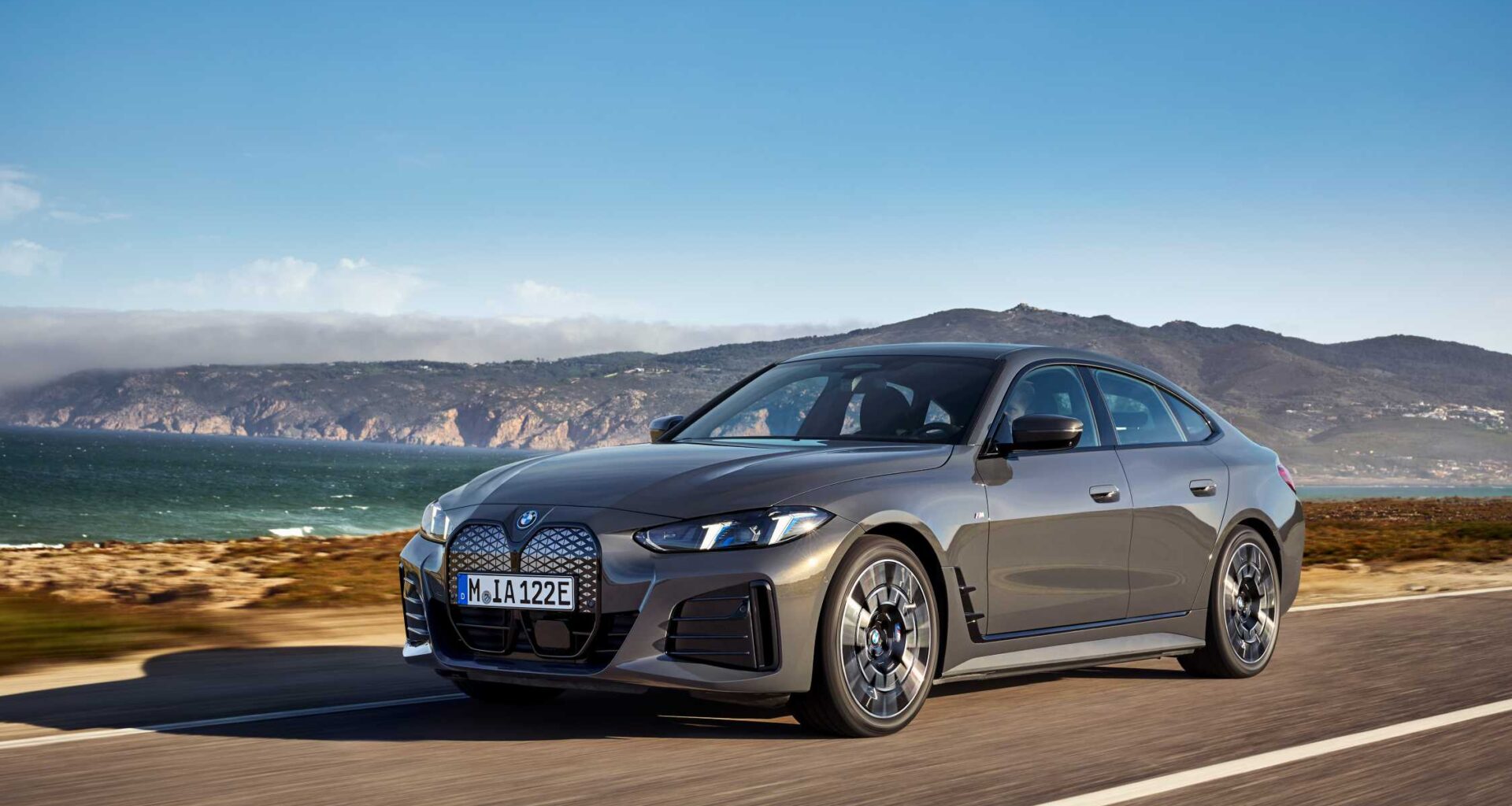
BMW i4 eDrive40 (WLTP combined (EnVKV): energy consumption 17.8
kWh/100 km; CO2 emissions 0 g/km; CO2 class A);
range 510-613 km (WLTP combined (PER)