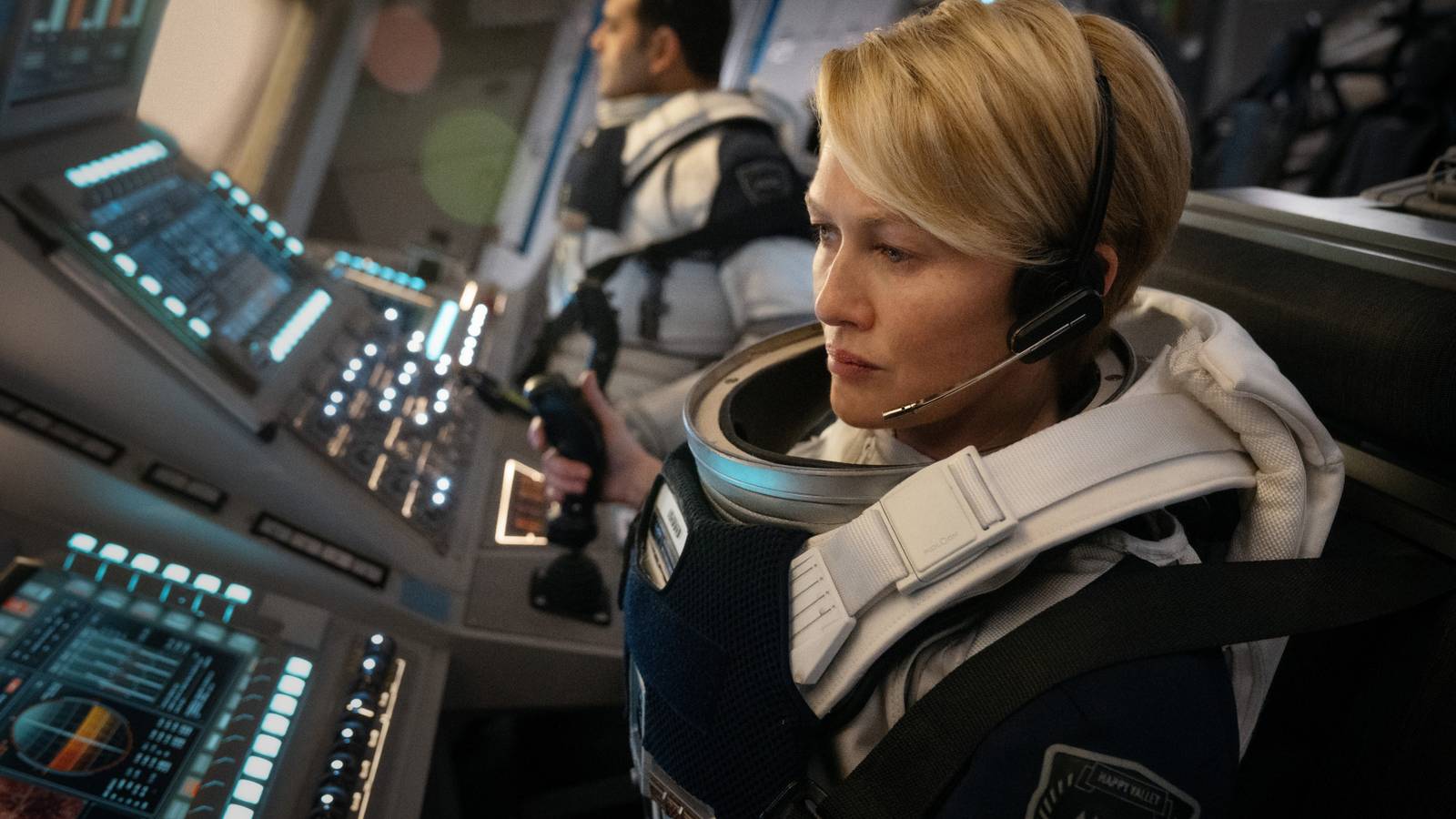
Apple TV has one of the most compelling original sci-fi show lineups of any streaming platform. With standout shows like Severance and Pluribus driving mainstream buzz, Apple has proven it’s serious about science fiction, but its most underrated gem isn’t the flashiest headline grabber. That distinction belongs to For All Mankind, a deeply ambitious alternate history that keeps expanding in scale and depth.
When For All Mankind first launched in 2019, it introduced a deceptively simple premise: imagine a world where the Soviet Union beat the United States to the Moon, igniting a space race that never ended. From that starting point, the show has carved a sprawling narrative across decades, charting an alternate timeline rich with political intrigue, human drama, and speculative leaps that feel grounded and profound.
What began as a bold thought experiment has evolved into one of the most meticulously crafted and emotionally resonant sci-fi dramas on TV. Each season of For All Mankind ups the stakes, pushing into new eras, technologies, and geopolitical tensions few other modern series – even on Apple TV – tackle with equal ambition or quality.
For All Mankind Is One Of Apple TV’s Best Sci-Fi Shows
A Relentlessly Ambitious Alt-History Space Drama That Rewards Viewers With Depth
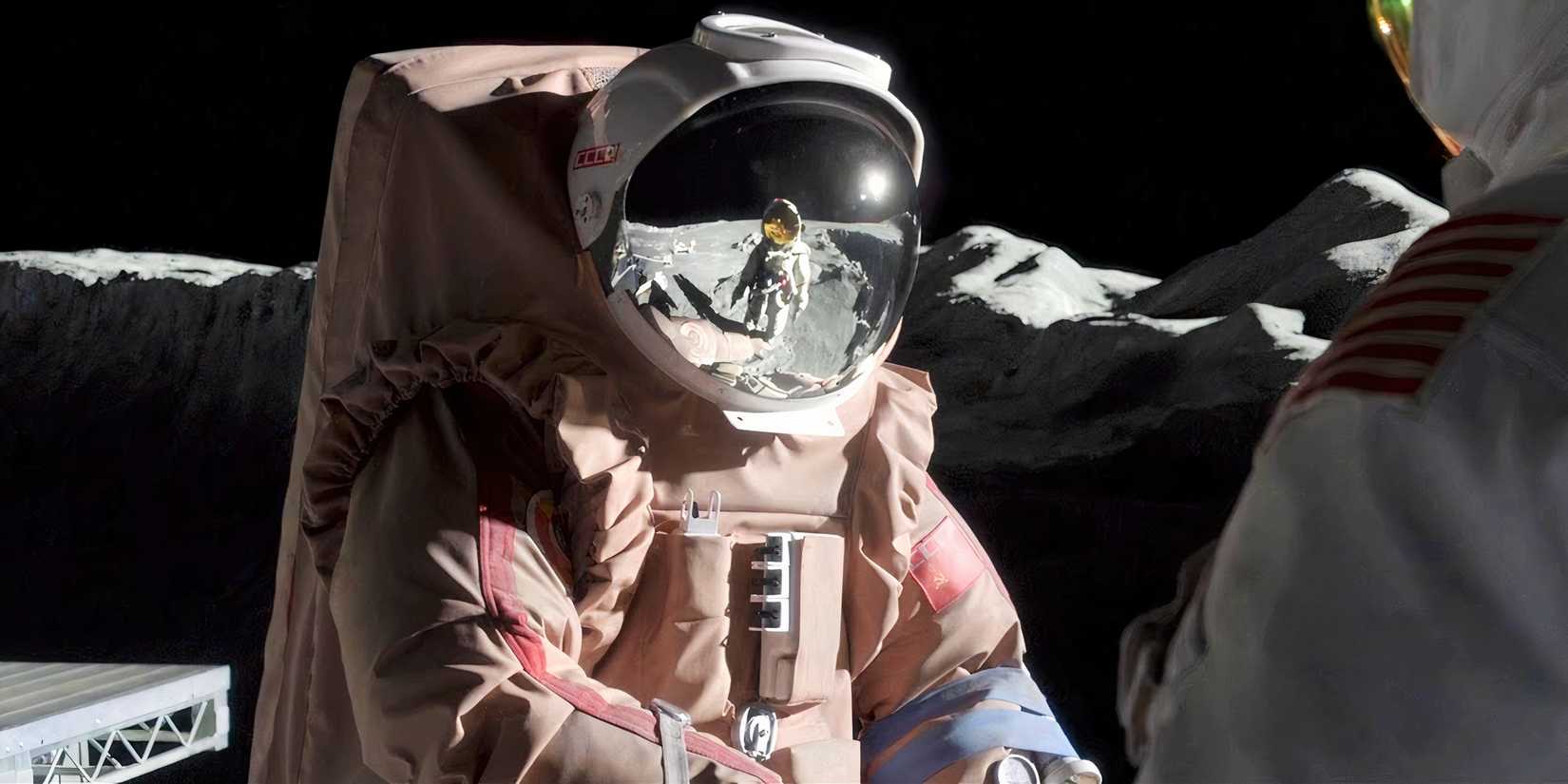
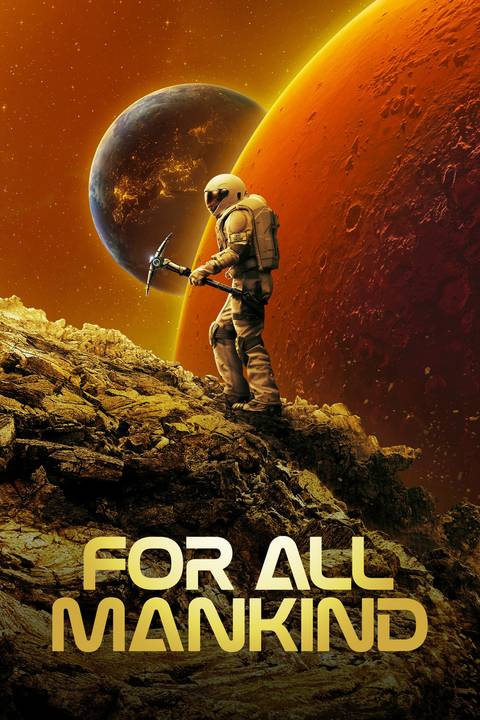
An astronaut in For All Mankind
For All Mankind stands out in Apple TV’s sci-fi crop because it refuses to settle. Where many shows lean on gimmicks or isolated high-concept hooks, this series builds a comprehensive alternate universe with coherent scientific progression and deeply human stories at its core.
From the very first season, the choice to reimagine the Cold War space race – starting with the Soviet Union’s triumph – establishes a foundation that yields richer narrative opportunities than most sci-fi shows manage. Herein lies the genius of For All Mankind, as it balances real hard science with speculative sociopolitical shifts in a way that’s borderline addictive.
For All Mankind doesn’t just ask “what if?”. It follows its alternate history across decades, showing how technological innovations reshape societies, cultures, and global power structures. Characters grapple with ethical quandaries, personal sacrifice, and ambition against the backdrop of humanity’s reach into space. The layered storytelling respects both the scale of the show’s ideas and concepts and the emotional journeys of its characters.
Another standout feature of this underrated Apple TV gem is the ensemble cast, led by the likes of Joel Kinnaman as Ed Baldwin, a figure whose evolution mirrors the series’ thematic leaps. Secondary characters evolve as For All Mankind goes on, ensuring that the narrative feels expansive without ever losing emotional resonance.
This approach doesn’t only help keep audience members tuned in by adding a human element, either. It allows For All Mankind to use its alternate timeline to explore themes of legacy, identity, nationalism, and cooperation on an interplanetary stage, making it appealing to fans of grounded speculative fiction as well as grand space epics.
Unlike many sci-fi shows that plateau after establishing their premise, For All Mankind consistently expands its narrative scope. It connects geopolitical tensions on Earth to human struggles on the Moon, Mars, and beyond, intertwining speculative innovation with personal stakes. This ambitious layering of plotlines has helped it maintain relevance and freshness, season after season.
What To Expect From For All Mankind Season 5
Season 5 Pushes The Story Into A New Era Of Martian Politics And Generational Conflict
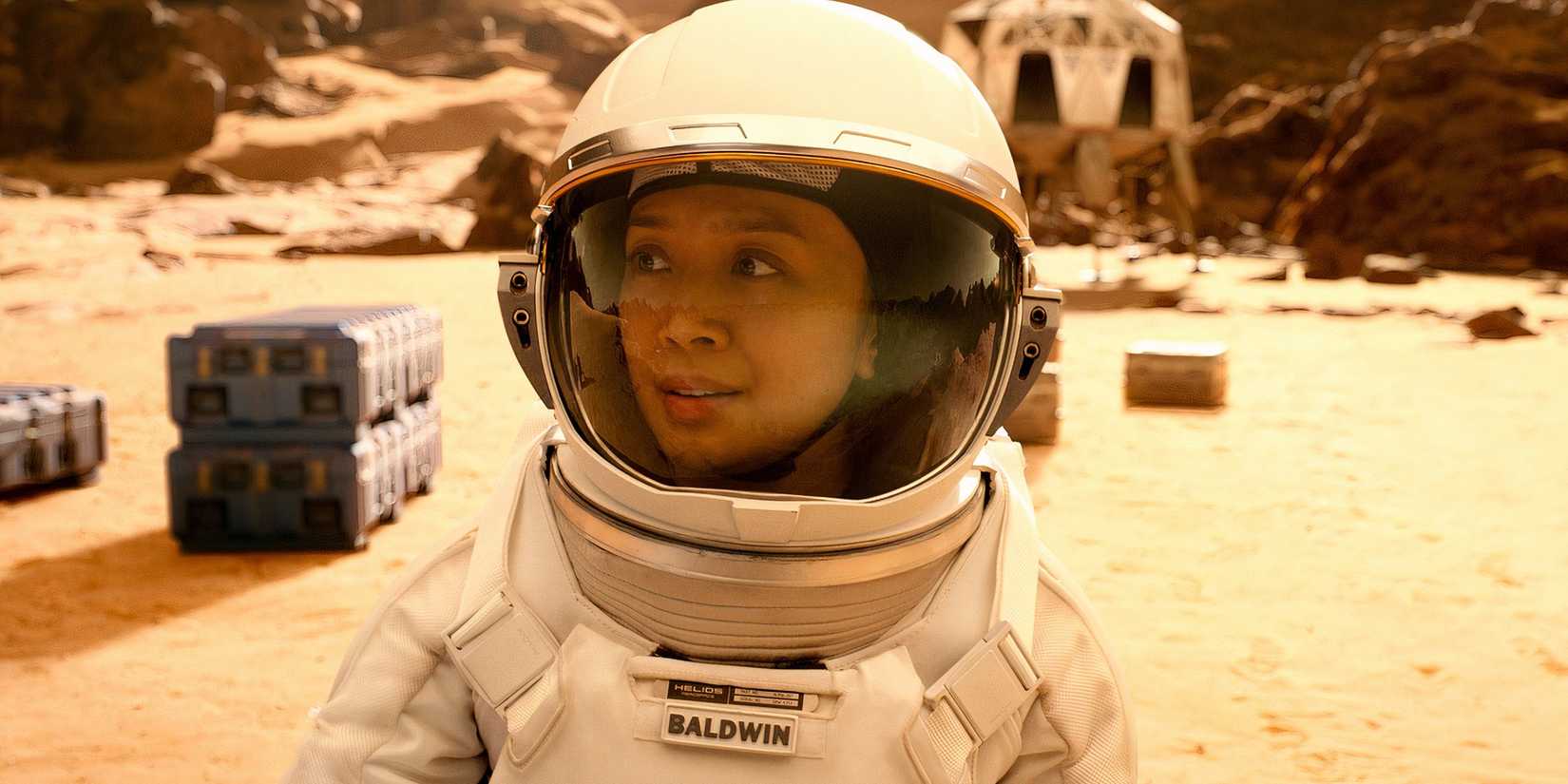
Season 5 of For All Mankind is scheduled to premiere on Apple TV on March 27, 2026, with a 10-episode run. The next season picks up years after season 4’s Goldilocks asteroid heist, in a timeline where Mars’ Happy Valley has grown into a thriving colony complete with thousands of residents and a base for new missions deeper into the solar system.
The first teaser is already here, and one of the most striking elements shown is an evocative image of Martian motorbiking, suggesting a frontier-like expansion of human activity on the Red Planet. The narrative for For All Mankind season 5 looks set to latch onto emerging political tensions between Martian settlers and Earth governments, hinting at a socio-political schism reminiscent of colonial independence struggles.
For All Mankind season 5 promises deeper engagement with broader thematic conflicts. As Earth’s nations demand law and order on Mars, viewers can expect narrative threads about autonomy, governance, and the philosophical cost of frontier settlement. This continued expansion into sociopolitical territory underscores the series’ strength: it keeps reinventing itself while staying true to its speculative heart.
For All Mankind Is Getting A Spinoff At Apple TV
Star City Expands The Universe From The Soviet Perspective With Thriller-Tinged Intrigue
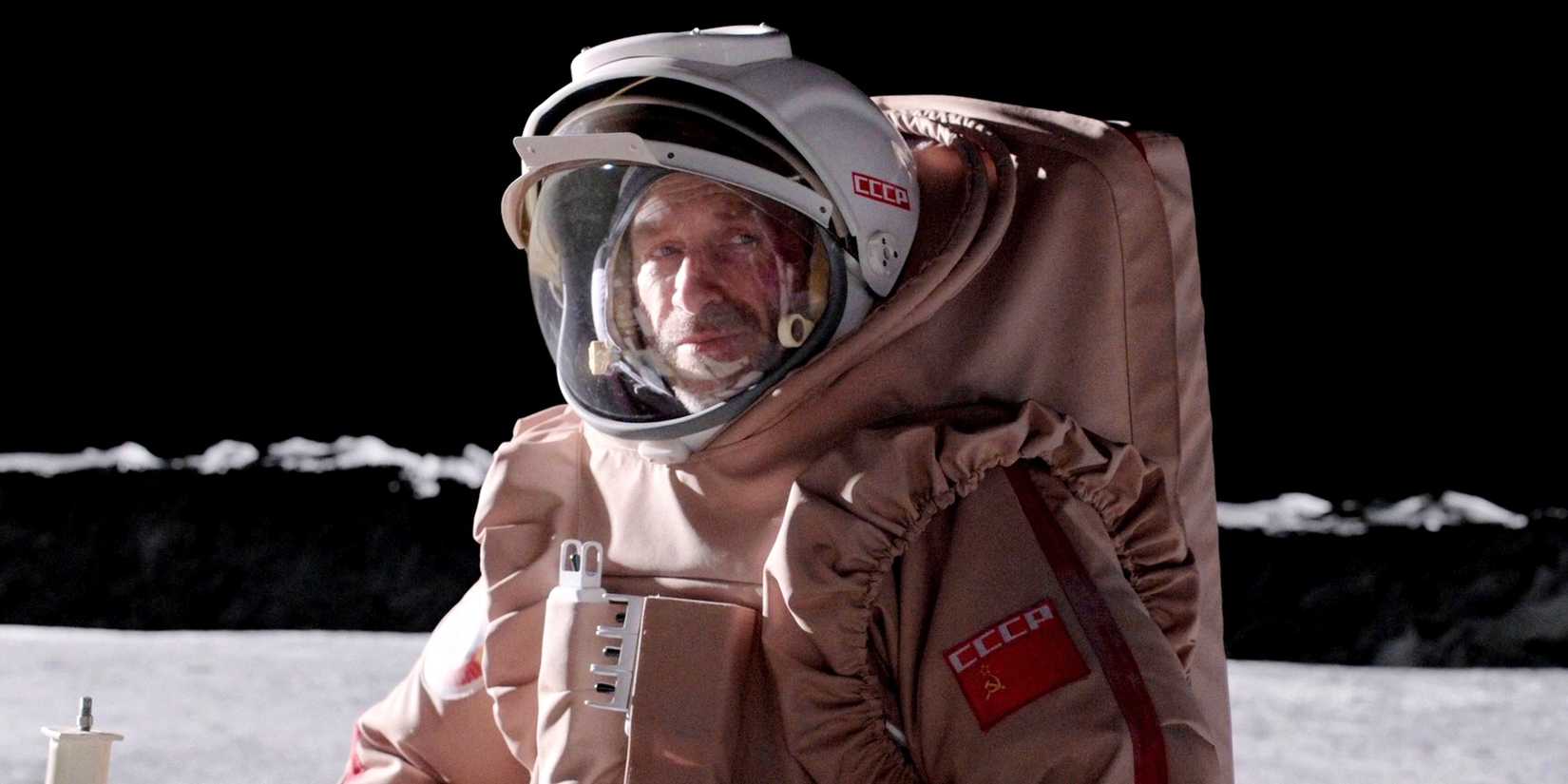
A cosmonaut in For All Mankind
For All Mankind isn’t just continuing with season 5, as Apple TV has greenlit a spinoff series titled Star City. The new show will explore the alternate history world of For All Mankind from the other side of the Iron Curtain.
Star City will reportedly dive into a pivotal moment in the alt-history: when the Soviet Union became the first nation to land a human on the Moon. Rather than focusing on astronauts alone, the spinoff will explore the lives of cosmonauts, engineers, and intelligence officers within the Soviet space program. This shift opens opportunities for political intrigue, espionage, and the psychological tensions inherent in pursuing cosmic ambition under authoritarian scrutiny.
The most intriguing aspect of Star City is how it will complement the main series. Though it will almost certainly stand on its own as an alternative history sci-fi with political thriller elements, there’s also crossover potential in the form of possible thematic links or even ancestor connections to For All Mankind characters.
By illuminating the Soviet perspective more fully, the spinoff promises will both enrich the world of For All Mankind for long-time viewers and a fresh angle on familiar alt-history terrain. In broadening the universe, Apple TV is positioning For All Mankind not just as a standalone epic but as the foundation for a multimedia alt-history franchise spanning decades and viewpoints.
Release Date
November 1, 2019
Network
Apple TV
Showrunner
Ronald D. Moore


Michael Dorman
Gordon ‘Gordo’ Stevens