
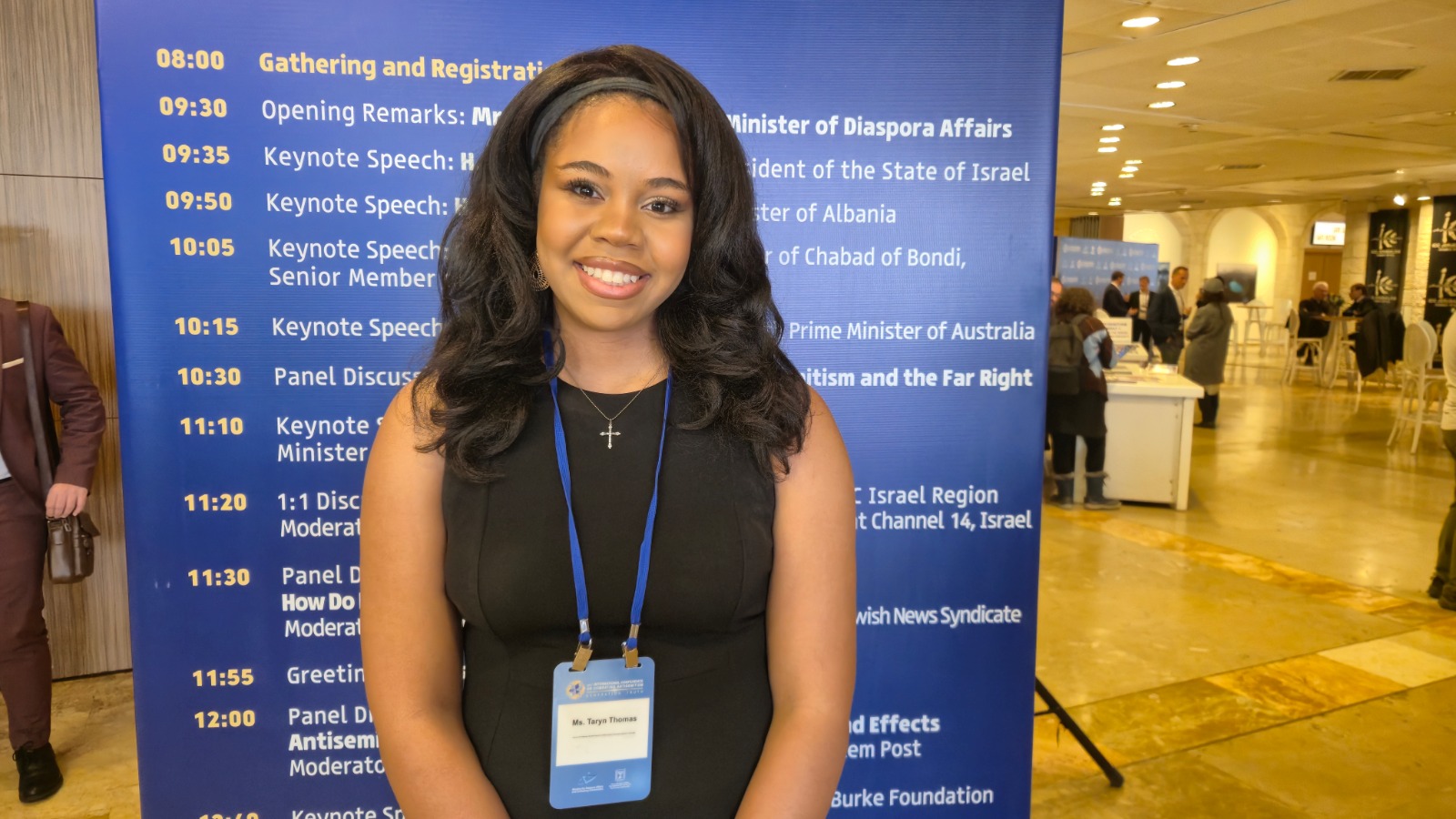
In a Jerusalem conference hall, the fight against antisemitism felt less like a history seminar and more like a security briefing—and Gabriel Colodro shows why. Speakers at Israel’s International Conference on Combating Antisemitism, held Jan. 26–27 alongside International Holocaust Remembrance Day, argued that hate is no longer fringe or obvious. It travels through politics, campuses, courtrooms, and social media, dressed in the language of rights and activism, spreading faster than governments respond.
Marketing professor and author Gad Saad opened with a stark metaphor: a parasite that doesn’t kill the wood cricket outright but alters its instincts until it jumps into water. The point landed. Antisemitism today often rewires institutions meant to protect people.
Diaspora Affairs Minister Amichai Chikli rejected the idea that political correctness or softer phrasing can solve the problem, citing murders of Jews from Sydney to Washington and calling for moral clarity. Albanian Prime Minister Edi Rama invoked his country’s WWII code of besa, recalling Albania’s refusal to hand over Jews. Israeli President Isaac Herzog warned that remembrance without action is hollow, while Prime Minister Binyamin Netanyahu tied rhetoric directly to bloodshed: “It starts with words. It can end with bullets.”
Panels turned tactical—countering BDS pipelines into policy, pushing legal tools like the International Holocaust Remembrance Alliance definition, and learning how to persuade skeptical audiences.
Personal stories cut through the policy talk. Former pro-Palestinian activist Taryn Thomas, now an advocate supporting Israel and the Jewish community, described how movements train followers not to question slogans. “Ask questions,” she urged, warning that moral language can be weaponized.
The message, as Gabriel Colodro reports, was blunt: this is a narrative war, and democracies are late to it. Read the full article for the sharper quotes and harder truths.