
Invasive alien species are driving sharp declines in insect populations worldwide, with a new global study linking biological invasions to major losses in both insect abundance and diversity.
A recent global analysis shows that invasive alien species are linked to significant declines in insect populations and diversity worldwide. The study, published in Nature Communications by researchers at the UK Centre for Ecology & Hydrology and the University of Cambridge, found that invasive animal and plant species are associated with an average 31% decline in the abundance of terrestrial insects and a 26% decrease in species richness.
These findings provide important context for the global study of insect decline. While most research has focused on habitat loss, climate change, and pollution, the role of biological invasions has received much less attention.
A Global Pattern of Invasion
This research is the first global attempt to measure how invasive alien species impact insect populations. The team examined ecological data from six continents using studies that tracked changes in insect populations after the introduction of non-native plants and animals.
Instead of analyzing individual case studies, the researchers searched for patterns that appeared across different regions and ecosystems. They found that, on average, invasive animals lower insect numbers by preying on them or competing for resources. Invasive plants often replace native vegetation that insects need for food and reproduction.
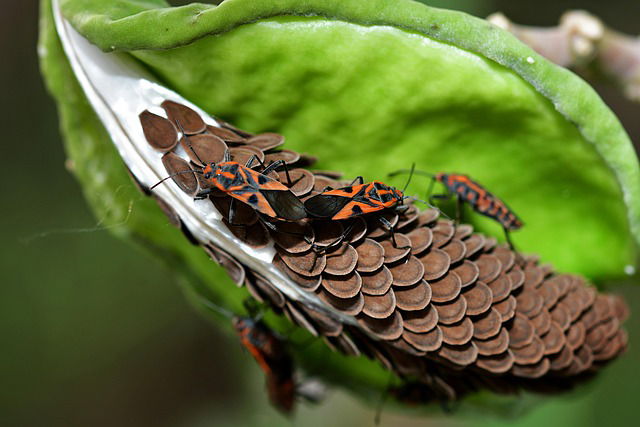
Some insect groups were impacted more than others. The study found that Hemiptera, or true bugs, declined by an average of 58%. Hymenoptera, which include ants, bees, and wasps, dropped by 37%. Orthoptera, such as grasshoppers and crickets, fell by 27%. Beetles, however, were less affected with an average decline of 12%.
“Identifying the insects most vulnerable to biological invasions will support better prioritisation of habitat management and also action to prevent and control invasive alien species. This is particularly important when resources are limited,” said Grace Skinner, a data scientist at UKCEH and lead author of the study.
Overlooked Implications
Invasive alien species have not been a major focus in insect conservation research. Although the Intergovernmental Science-Policy Platform on Biodiversity and Ecosystem Services lists invasive species as one of the five main causes of biodiversity loss, their effects on insects have been studied less than those of urbanization or nutrient pollution.
This study helps bridge that gap by demonstrating that biological invasion affects insects worldwide, not just in isolated areas.
“It is crucial that we recognise insects not just as invaders but also as victims of invasion. Insects are undergoing concerning declines across the world, and as this trend continues, essential ecosystem services will increasingly be at risk,” said Skinner.
Causes of Invasion
The authors point out that invasive species are just one part of a bigger set of problems. Ongoing global trade and transportation facilitates the spread of non-native species, while rising temperatures make it easier for some invaders to survive and thrive.

“We hope our analysis encourages more research into how invasive alien species interact with other threats to insect biodiversity – for example, how climate change might influence invasive alien species populations and amplify their impacts,” said co-author Dr. Joseph Millard of the University of Cambridge.
A Manageable Threat
While invasive species are considered a nuisance, the study suggests they are still a manageable threat. The authors stress the need for biosecurity measures and international collaboration to help stop the spread of non-native species.
Individuals can also help prevent the spread of invasive species. Gardeners can choose plants that support local biodiversity, while people involved in fishing, boating, or forestry are encouraged to follow ‘check, clean, dry‘ steps to reduce the risk of moving species to new areas.
Austin Burgess is a writer and researcher with a background in sales, marketing, and data analytics. He holds a Master of Business Administration, a Bachelor of Science in Business Administration, and a Data Analytics certification. His work combines analytical training with a focus on emerging science, aerospace, and astronomical research.