
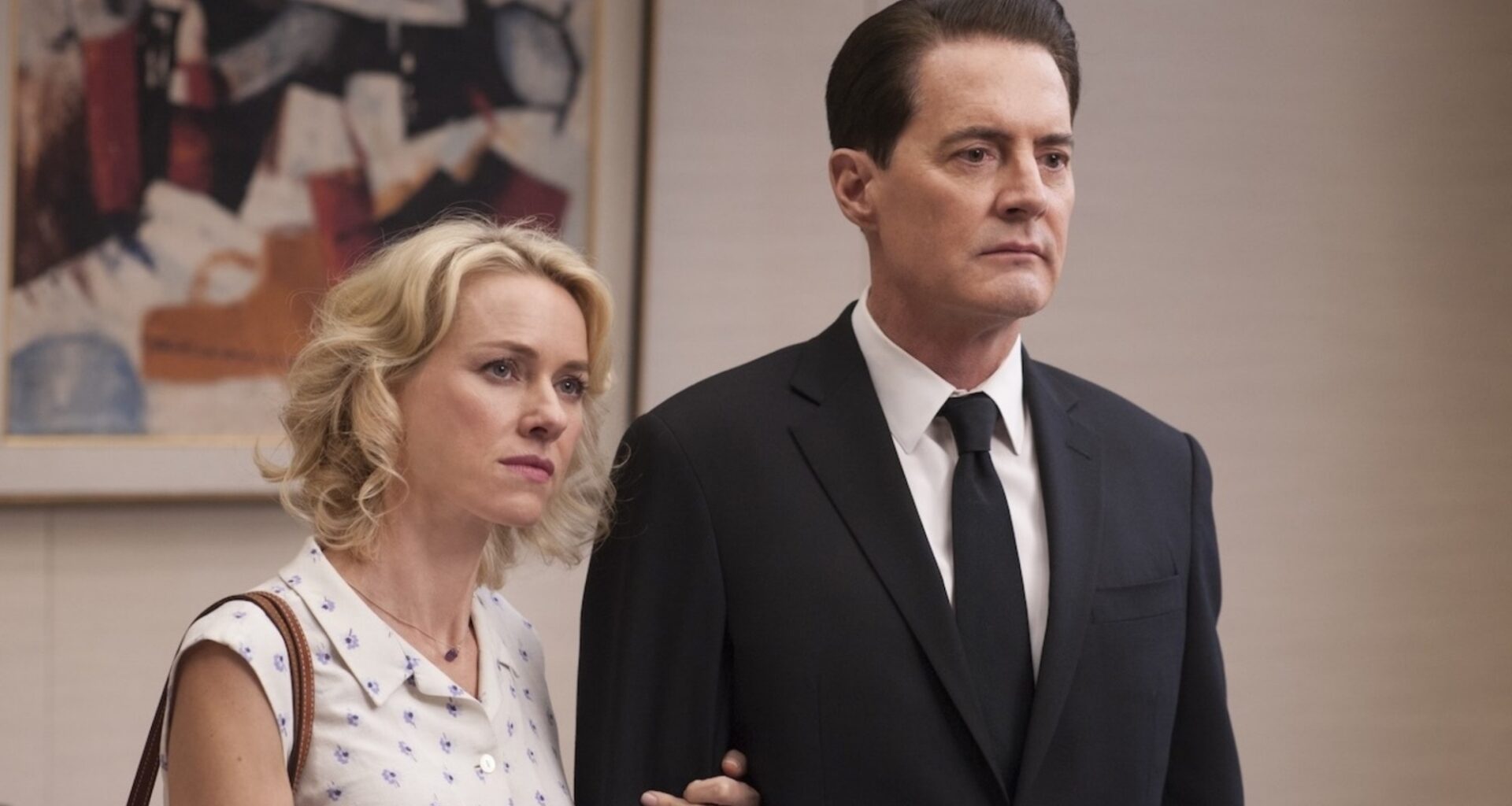
The sad truth is that most TV reboots feel like pale imitations of the beloved originals. Bad revivals tend to lean hard on nostalgia, dusting off familiar formulas and loading the dialogue with cheap callbacks rather than reaching for something new. We’ve seen it with Heroes Reborn, Charmed, Arrested Development’s Netflix era, and so many more. Great modern reboots like Battlestar Galactica and Doctor Who are only exceptions that prove the rule, but there’s one revival of the last 10 years that should have become the blueprint for all series reboots.
Twin Peaks: The Return premiered in 2017 on Showtime as David Lynch and Mark Frost’s 18-hour continuation of the beloved 90s mystery series Twin Peaks. However, it didn’t behave at all like a comeback tour or a greatest-hits album. Instead, it detonated the idea of what Twin Peaks had been before and subverted audience expectations in order to create an unforgettable, unmissable conclusion to the series. Nearly a decade later, The Return is still the most uncompromising revival in TV history.
Twin Peaks: The Return Rejected Nostalgia in Favor of Something Much More Interesting
 showtime
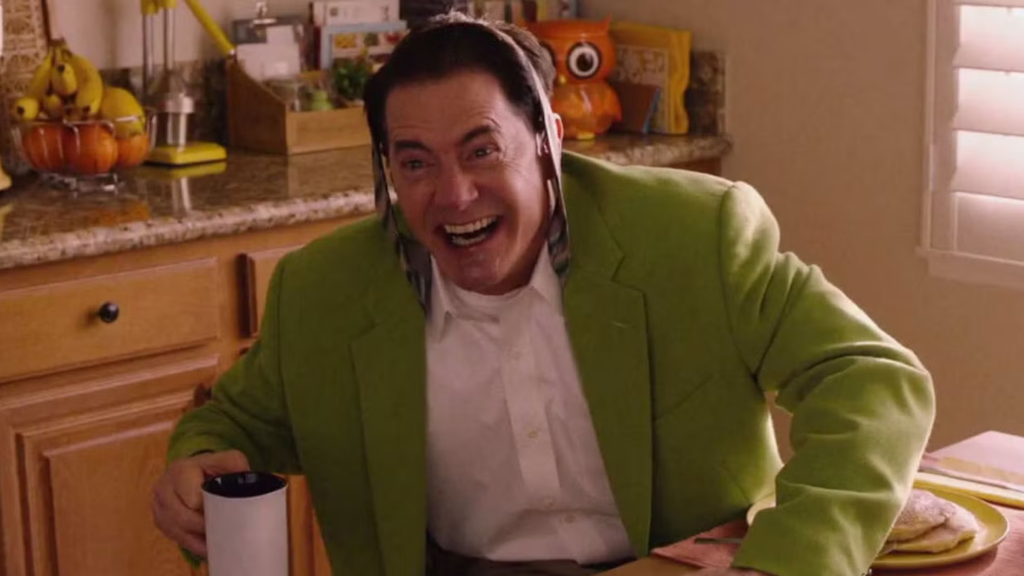
From the beginning, The Return makes it clear that this will not be a comfort-watch complete with cherry pie, vintage Americana, or even Dale Cooper himself. The revival famously withholds the “real” Cooper (played by Kyle MacLachlan) for most of its runtime, replacing him with the catatonic, heartbreaking, and darkly comic Dougie Jones, trading Cooper’s charm and the filmic haze for a lime-green blazer and an unsettling digital atmosphere. Any other reboot would have put Twin Peaks’ small-town nostalgia at the forefront and regressed into murder-mystery tropes. Instead, what fans got was an experimental adventure into the unthinkable, with Lynch shooting for some of his biggest and wildest ideas, rewarding dedicated fans, and challenging casual viewers.
Rather than delivering the triumphant Cooper return fans had been imagining for 25 years, Lynch went esoteric in order to convey the show’s underlying themes of time, decay, and the subconscious trauma of the modern world. Formally, The Return is even more avant-garde than the original series. Episode 8, an almost wordless, black-and-white descent into nuclear horror and cosmic evil, feels like an experimental art film. Long stretches unfold without context or dialogue, and scenes often linger past the point of narrative “efficiency” or “necessity.” Rather than a traditionally satisfying conclusion to the literal mystery box, fans are left with something far more thought-provoking.
Rather than cashing in on a hungry fandom, The Return also expands the Twin Peaks mythos in ways that now feel necessary in hindsight. The Lodges, the nature of evil, and Laura Palmer’s trauma at the heart of the story are all given more weight and meaning without being explained to death. Lynch keeps fan service to a minimum and often subverts it by having familiar faces return in ways you don’t expect, and sometimes only to underscore how much time has passed and damage has occurred.
Like most of Lynch’s work, The Return rewards active engagement. It doesn’t hand-hold the audience, and doesn’t dilute its themes to chase mass appeal. This is why it’s so special and singular, and why it’s a nearly impossible formula for other shows to replicate, despite its critical success. Lynch’s unique authorship embodies a crucial, almost reckless trust in the audience, something Hollywood struggles with. Nine years later, no reboot has come close to matching its ambition or nerve. Most studios, networks, and streaming platforms want safety in streaming numbers, but with The Return, Lynch wanted to make something spectacular.
Did you find Twin Peaks: The Return genius or alienating? Leave a comment below and join the conversation now in the ComicBook Forum!