
The seven biggest companies listed on the London Stock Exchange are giants of industry in the worlds of finance, pharmaceuticals, mining, energy and beyond.
Together HSBC, AstraZeneca, Shell, Unilever, Rolls-Royce, British American Tobacco, and Rio Tinto have a stock market value of $1.36 trillion. In their most recent financial years, the seven generated pre-tax profits of $103 billion and paid out $49 billion in dividends.
Compare that with SpaceX, Elon Musk’s satellites-to-AI-to-social media conglomerate. As a private company its financial performance is harder to gauge, but according to Reuters, which cited people familiar with SpaceX’s results, it turned a profit of “about $8 billion” last year. It is not thought to pay any dividends.
And yet Musk, who owns about 42 per cent of SpaceX shares, is reportedly targeting an initial public offering in the summer that would value SpaceX at $1.5 trillion — more than the combined value of the Footsie’s top seven.
SpaceX is made up of several different businesses, including the core rocket-launching operation and Starlink, its high-speed internet service. Musk announced on Monday night that SpaceX had also acquired xAI, his artificial intelligence start-up that owns X, the social media app, and his Grok chatbot.
In a memo to staff posted on X, Musk said: “SpaceX has acquired xAI to form the most ambitious, vertically integrated innovation engine on (and off) Earth, with AI, rockets, space-based internet, direct-to-mobile device communications and the world’s foremost real-time information and free speech platform.”
Musk is said to be considering a blockbuster IPO of SpaceX in June, to coincide with his birthday and the alignment of Jupiter and Venus. The Financial Times reported last week that if the IPO went ahead, SpaceX would look to raise as much as $50 billion at a $1.5 trillion valuation, which would make it the biggest stock market flotation to date. Bankers at Goldman Sachs, JPMorgan, Morgan Stanley and Bank of America are understood to have been lined up to execute the IPO, which would net them hundreds of millions of dollars in fees.
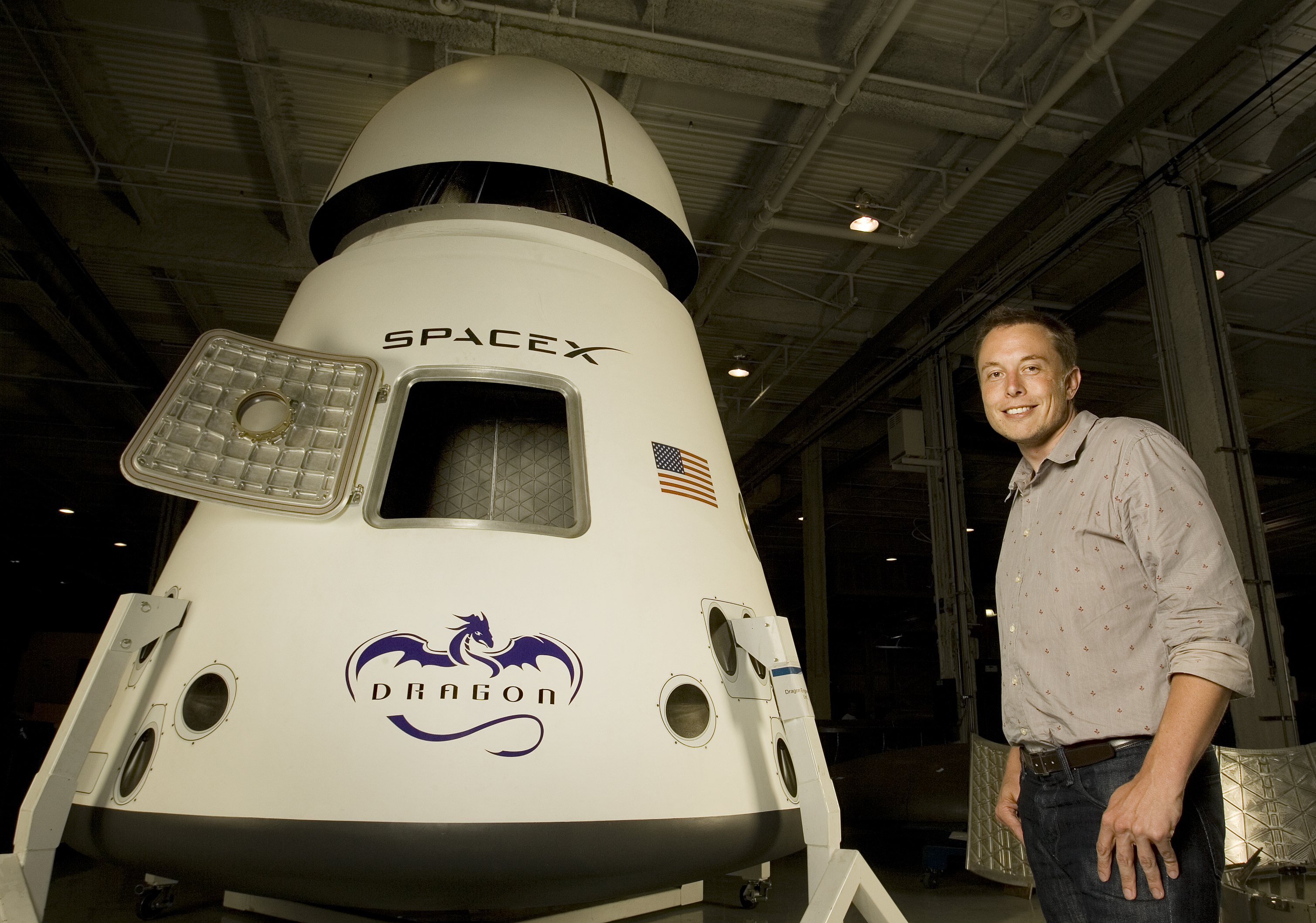
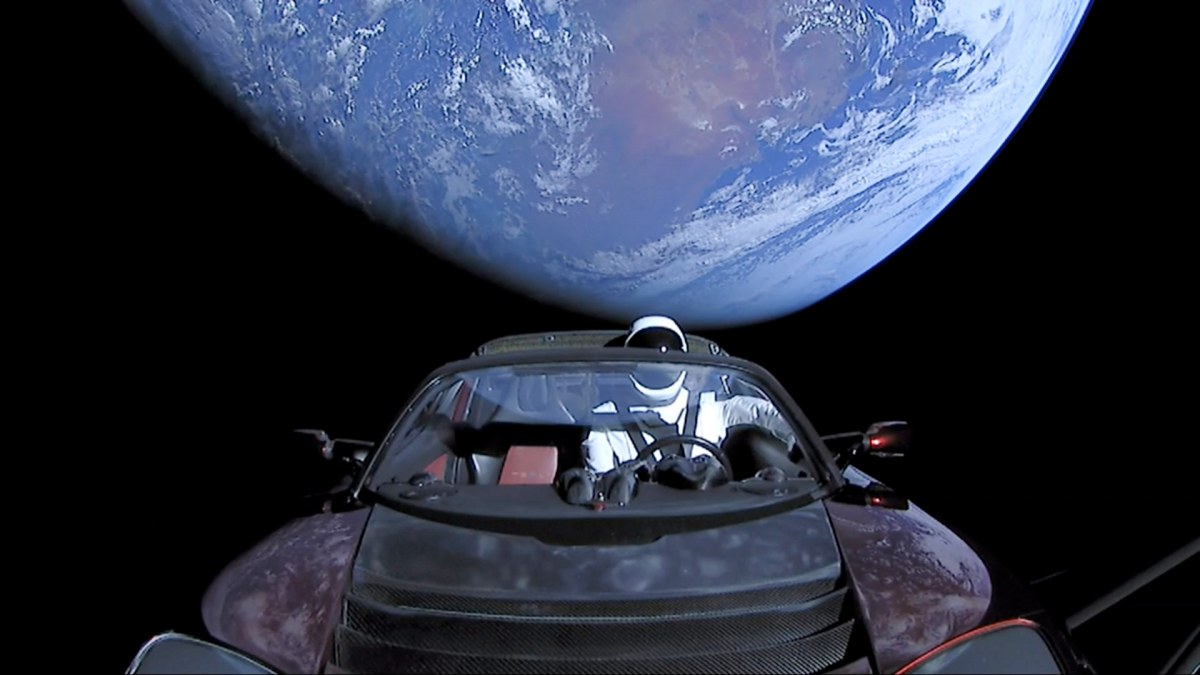
The stars are aligning for Elon Musk’s SpaceX float
DAN TUFFS/GETTY IMAGES
On all financial metrics, a $1.5 trillion stock market valuation looks far-fetched even for the enlarged SpaceX. Based on that valuation and assuming $8 billion of annual profits last year, SpaceX trades at a price-to-earnings ratio of 188 times.
For context, the wider S&P 500 index, home to the 500 biggest companies listed in the United States, trades on a price-to-earnings nearer to 28 times. The average price-to-earnings multiple for the top seven on the Footsie is 22 times.
A higher valuation multiple is effectively the market betting on future growth. Could SpaceX deliver the kind of earnings, further down the line, that would justify such a hefty price tag? After all, last summer it was valued at only $400 billion or so.
By folding xAI into SpaceX, Musk is unifying his AI and space ambitions. As Dan Ives, the veteran technology industry analyst at Wedbush, said: “The long-term goal of this merger is to create a new low-cost way to generate AI compute … through satellite deployments for space-based data centres to harness solar energy as fuel for its AI ambitions.”
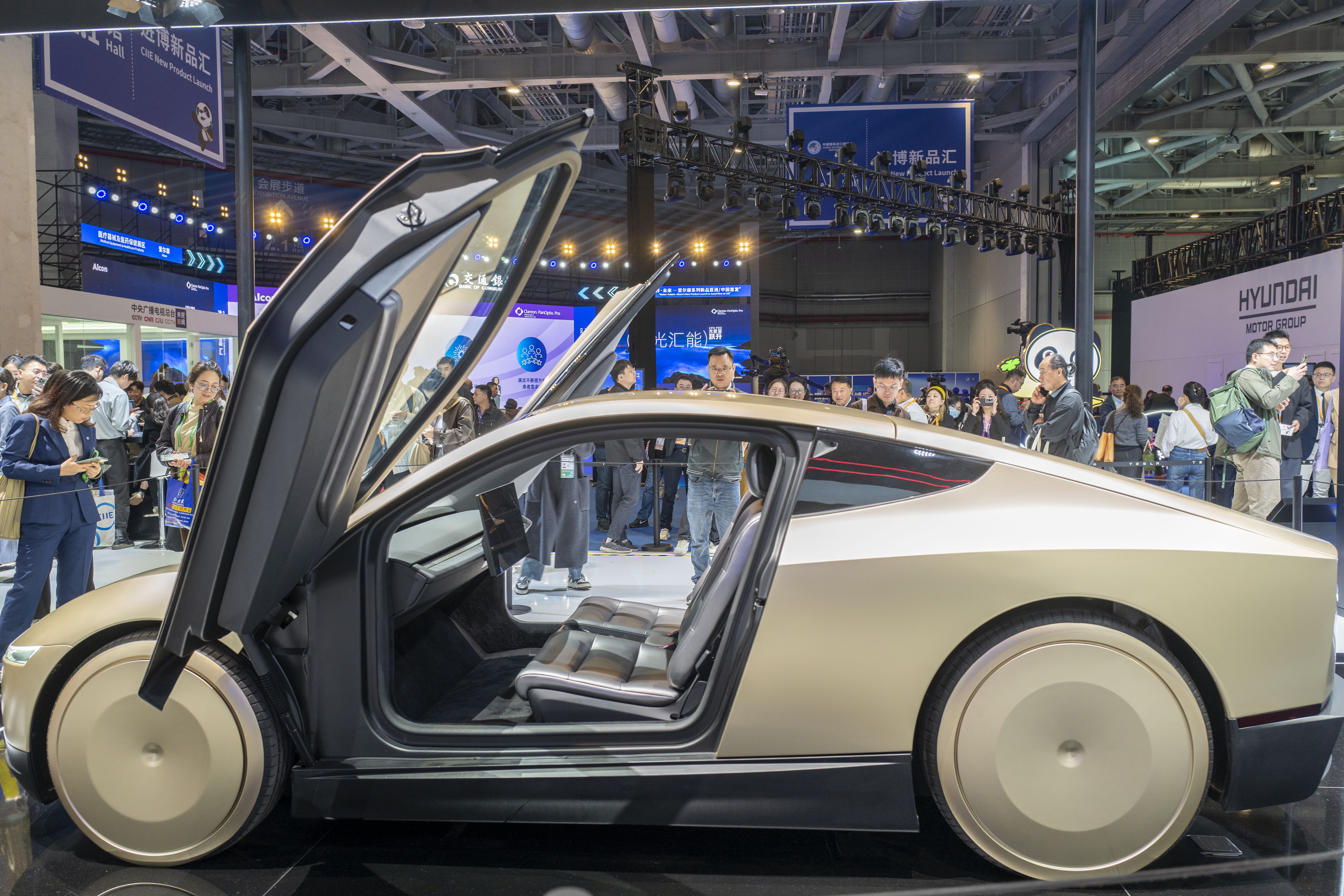
A Tesla Cybercab self-driving car
VCG/VCG VIA GETTY IMAGES)
Ives speculated there was a “growing chance” that Musk would eventually want to fold Tesla, his electric car manufacturer, into SpaceX too.
• Dominic O’Connell: Luckily for Musk, Tesla investors are buying into the hype
“Tesla now is laser-focused on autonomous and robotics in this key era for Musk & Co and we expect more cross-pollination between Tesla and SpaceX over the coming year,” he said.
If the consensus that AI is going to change the world is correct, then more data centres will be needed. But developers are constrained by the availability of land and power and the ability to keep the buildings cool — or at least they are on Earth.
Musk, and other astrophiles, believe those issues can be solved by having data centres in space, which is cold and where there is no shortage of land or (solar) power.
“Global electricity demand for AI simply cannot be met with terrestrial solutions, even in the near term, without imposing hardship on communities and the environment,” Musk said in his memo. “In the long term, space-based AI is obviously the only way to scale.”
Mark Boggett, chief executive of Seraphim Space, a space-focused investment company, said Musk could take the business in a couple of directions: use its extraterrestrial data centres to create the world’s most powerful AI company, or charge other AI companies to use those data centres.
• Patrick Hosking: A trillionaire Elon Musk would be all powerful. What could go wrong?
“None of the other AI players today are able to leverage these two things [AI and space technology] together,” Boggett explained. “We believe that looking forward at the revenues that are going to be accrued by this unique position, and the ability to grow faster and stronger than the other AI platforms, will validate the valuation that is being asked for.”
Beyond simply powering AI, Boggett suggested that SpaceX could ultimately use its technology and experience to provide clean, renewable power for use on Earth. That would go some way to solving one of the world’s greatest problems: a reliance on fossil fuels — which are both dirty and finite — for energy.
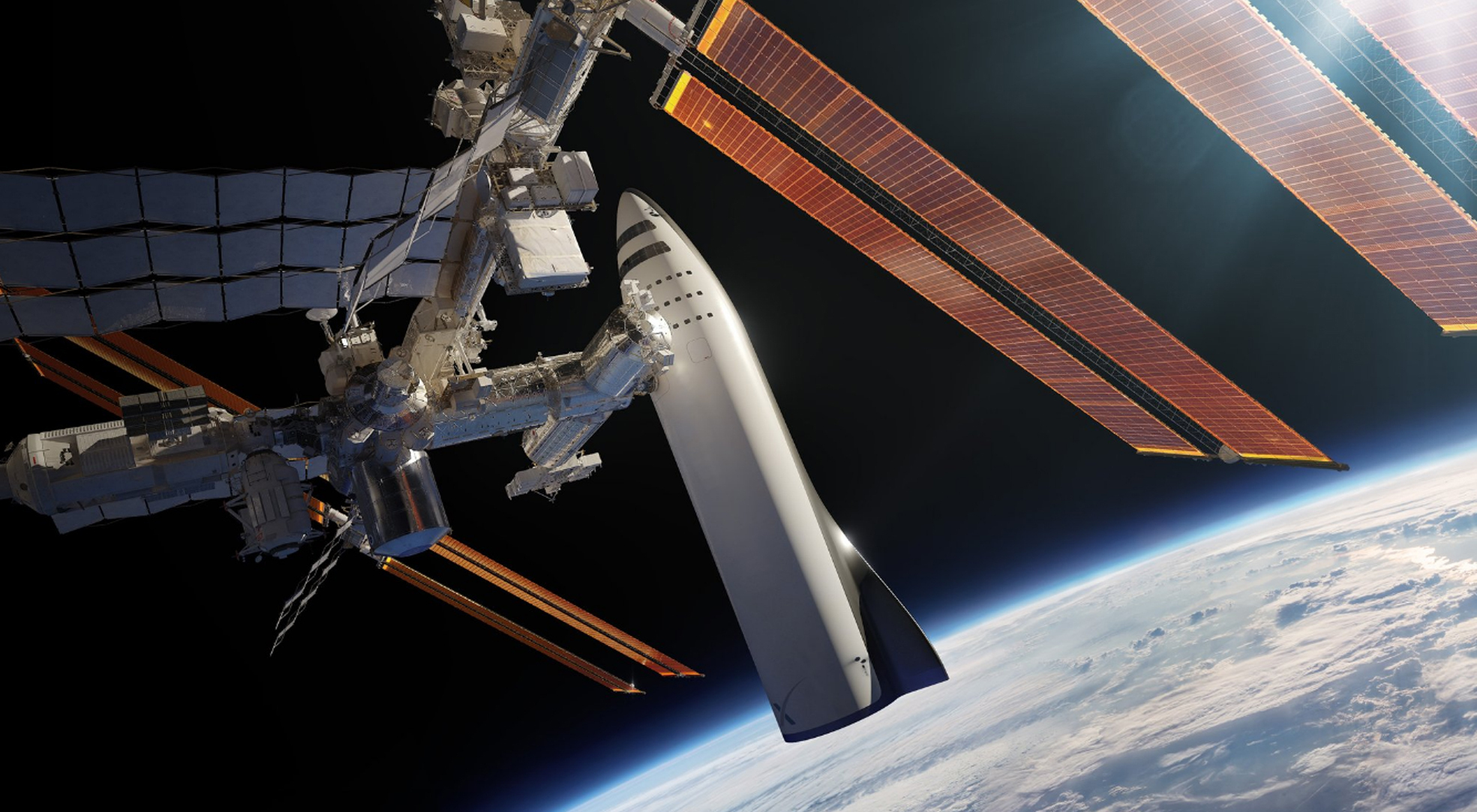
A SpaceX illustration of an Interplanetary Transport System
SPACEX/PA
Of course, many will argue that building solar farms that float in space is a fanciful and unachievable idea. But that is what investors would be betting on if they decided to invest in Musk and his $1.5 trillion business.
“It sounds like science fiction, but it’s now becoming science fact,” Boggett said. “If SpaceX can maintain a competitive edge [in space data centres and clean solar energy], even just for a period of time, it would make sense for it to be the world’s biggest company.”