
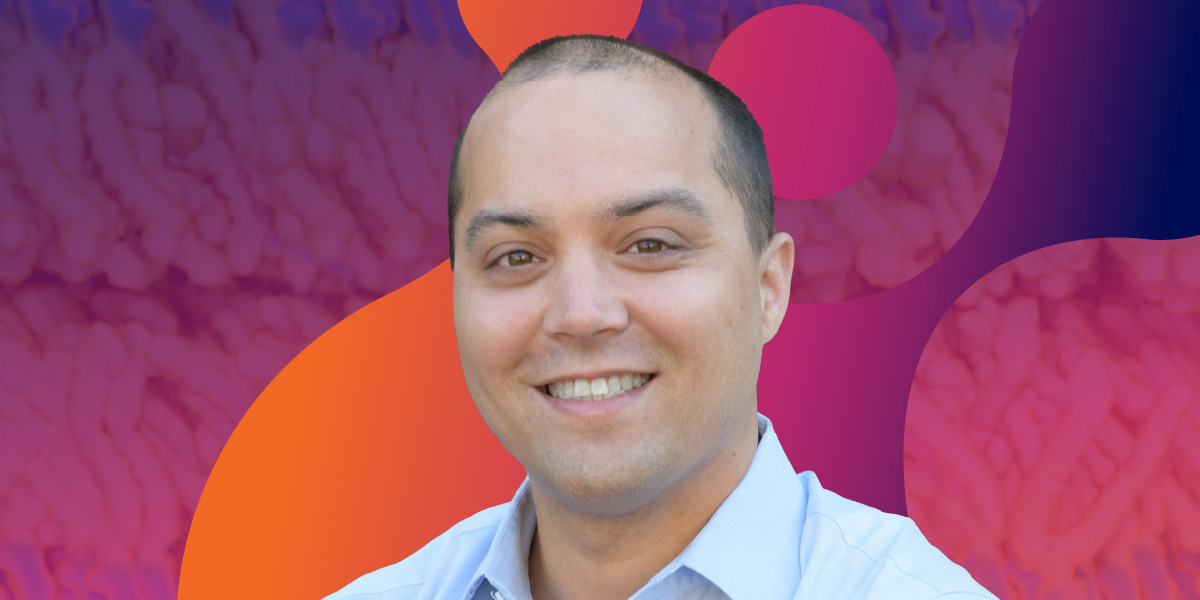
When most people think of lipids, they think of fat. James Olzmann thinks of life itself — how cells store energy, maintain balance and decide when to die. His discoveries have reshaped how scientists understand lipid biology, revealing how these molecules drive health, disease and survival.
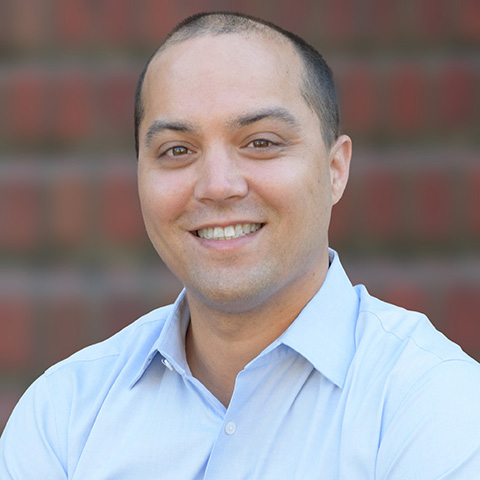
James Olzmann
Impressive. Innovative. A dedicated mentor and lifter of others. These are the words colleagues use to describe James Olzmann, the 2026 recipient of the Avanti Award in Lipids from the American Society for Biochemistry and Molecular Biology.
Olzmann, a professor at the University of California, Berkeley, has helped redefine how researchers think about lipids. His work has advanced knowledge of lipid droplets, lipid metabolism and ferroptosis — a regulated form of cell death defined by the accumulation of toxic lipid peroxides.
In his nomination letter, Jeremy Thorner, distinguished professor emeritus at UC Berkeley, wrote that Olzmann has an “unerring ability to identify important questions and to have the courage and creativity to develop new interdisciplinary strategies to tackle these questions.”
Early in Olzmann’s career, lipid droplets were seen as little more than blobs in the cell. His work helped reveal them as dynamic organelles with critical roles in lipid and energy balance. To determine which proteins localize to these droplets, Olzmann developed a proximity labeling proteomics approach — a technique that uses enzymes to tag proteins near specific cellular structures.
He next built a functional genomics platform to identify genes that alter lipid storage within droplets. The resulting datasets became field standards, shared openly through databases such as DropletProteome.org and CRISPRLipid.org.
Olzmann’s discoveries also extend beyond lipid droplet biology. Recently, his lab discovered ferroptosis suppressor protein 1, or FSP1, which protects cells from oxidative lipid damage and ferroptosis. The group later showed that FSP1 helps cancer cells resist death and identified potential inhibitors that could sensitize tumors to ferroptosis, opening new possibilities for cancer therapy.
Beyond his scientific impact, Olzmann is celebrated as a mentor, collaborator and advocate for equity and inclusion. At UC Berkeley, he serves as equity chair in his department, and he co-led a Bridges to the Doctorate program that creates research pathways for students from historically excluded backgrounds.
“(Olzmann) gave me wonderful practical and professional advice that I still use to this day and pass on to junior (principal investigators) I now mentor at UTSW,” W. Mike Henne, an associate professor at the University of Texas Southwestern Medical Center, wrote in his letter of support. “This is one of (Olzmann’s) many strengths — he is absolutely committed to mentoring others and helping others succeed.”
In a letter of support, Ron Kopito, professor of biology at Stanford University, wrote that Olzmann “is a terrific example of a scientific leader dedicated to advancing cell biology and building a diverse and inclusive scientific community.”
At the 2026 ASBMB Annual Meeting, Olzmann will present his work on how cells maintain lipid quality control, the interconnected processes that prevent, detect and repair lipid damage to preserve cellular function and viability.