
In the early 2020s, as societies around the world shut down to protect their people from the COVID-19 pandemic, the atmosphere experienced an unusually large methane surge. Atmospheric scientists took notice. With everyone stuck at home avoiding travel, “we expected that the anthropogenic methane emissions could decrease a little bit,” Peking University’s Shushi Peng says. So what caused the potent greenhouse gas to spike instead of fall?
To find an answer, Peng and a team of 41 scientists came together to determine the global methane budget—a measure of the methane emitted and removed from the atmosphere—from 2019 to 2023. With their diversity of expertise, the group was able to propose a primary culprit behind the 2020–21 methane surge: The atmosphere’s self-cleaning chemistry was momentarily hampered (Science 2026, DOI: 10.1126/science.adx8262).
“They threw the kitchen sink at the problem,” says Francesca Hopkins, a climate change scientist at University of California, Riverside, who was not involved in the work.
The team primed three independent computational models with a wealth of surface measurements from National Oceanic and Atmospheric Administration (NOAA) stations across the US and space-based observations from the GOSAT satellite. The models reveal that when fewer people operated combustion engines because of COVID, emissions of nitrogen oxides (NOx) dropped. That reduction inadvertently caused less methane to be scrubbed from the atmosphere.
NOx reacts with air to form hydroxyl radicals. These go on to destroy methane, turning it into carbon dioxide, a less potent greenhouse gas. So, less NOx inadvertently led to more methane persisting in the atmosphere.
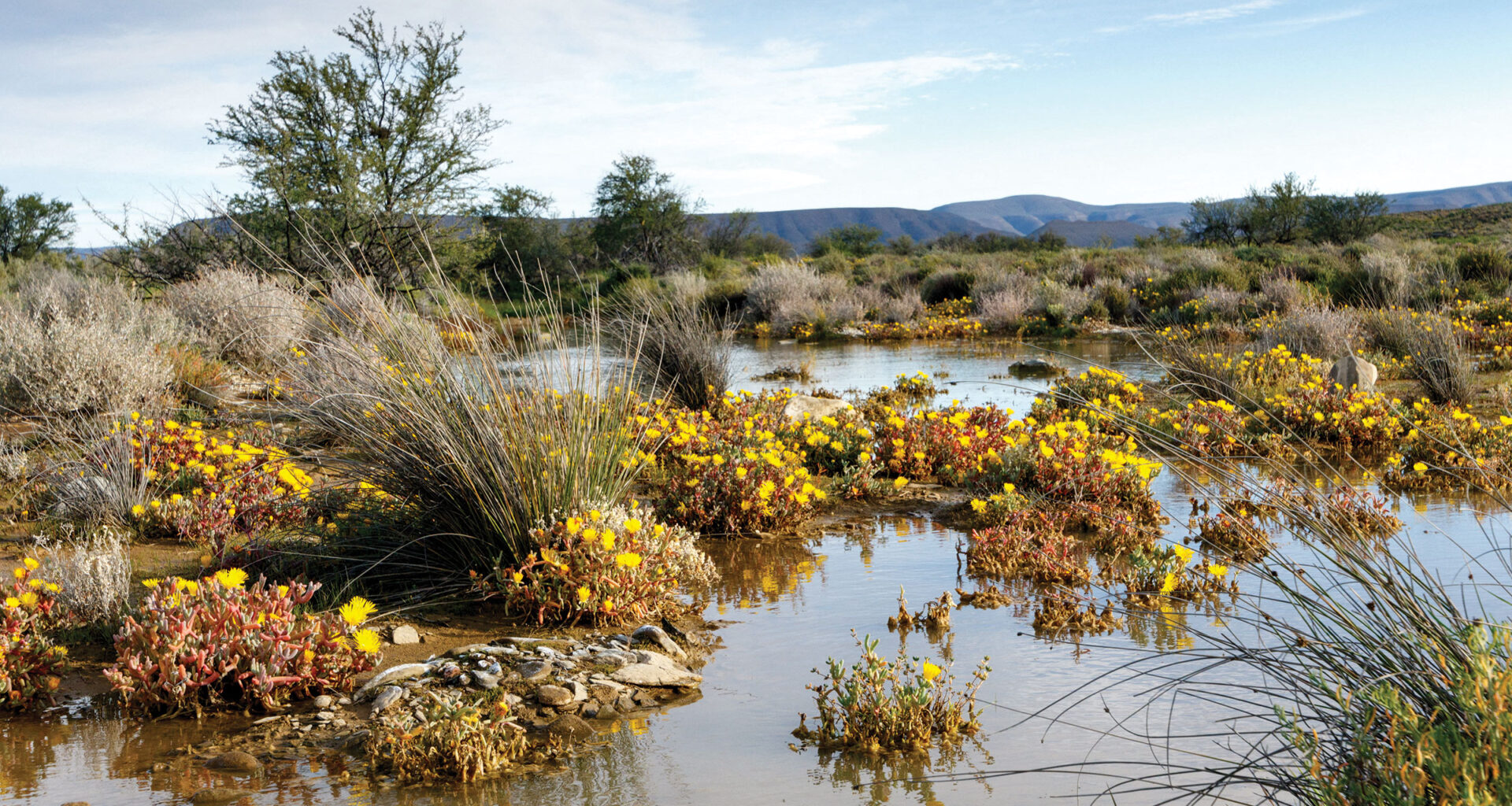
At the same time, the models show that wetlands in tropical Africa and Southeastern Asia were emitting more methane due to three continuous La Niña years, Peng says. It was a perfect formula for an atmospheric methane spike.
“I appreciate that they are considering chemistry and chemistry models” of the atmosphere, says Benjamin Gaubert, an atmospheric chemist at the NSF National Center for Atmospheric Research who was not involved in the work. It will be useful for future studies to use more complex atmospheric chemistry models to tease apart what’s going on in the methane budget, Gaubert says. “It’s interesting, and I think it’s going to spark discussion,” he adds.
“This paper really highlights the success of all these multitiered methods that we’ve developed as a community,” Hopkins says. And it demonstrates how tricky it will be to fight climate change. Based on these results, cutting fossil fuel emissions could actually “boost warming because of the methane side of things with the OH radical chemistry,” Hopkins says. Even so, reducing combustion emissions is still vital to limit climate change and improve air quality, she says.
Hopkins also points out the importance of NOAA’s atmospheric measurement network to the internationally collaborative work. “It’s not just in the US that we rely on these datasets,” she says. “The whole globe relies on these datasets.”

Chemical & Engineering News
ISSN 0009-2347
Copyright ©
2026 American Chemical Society