
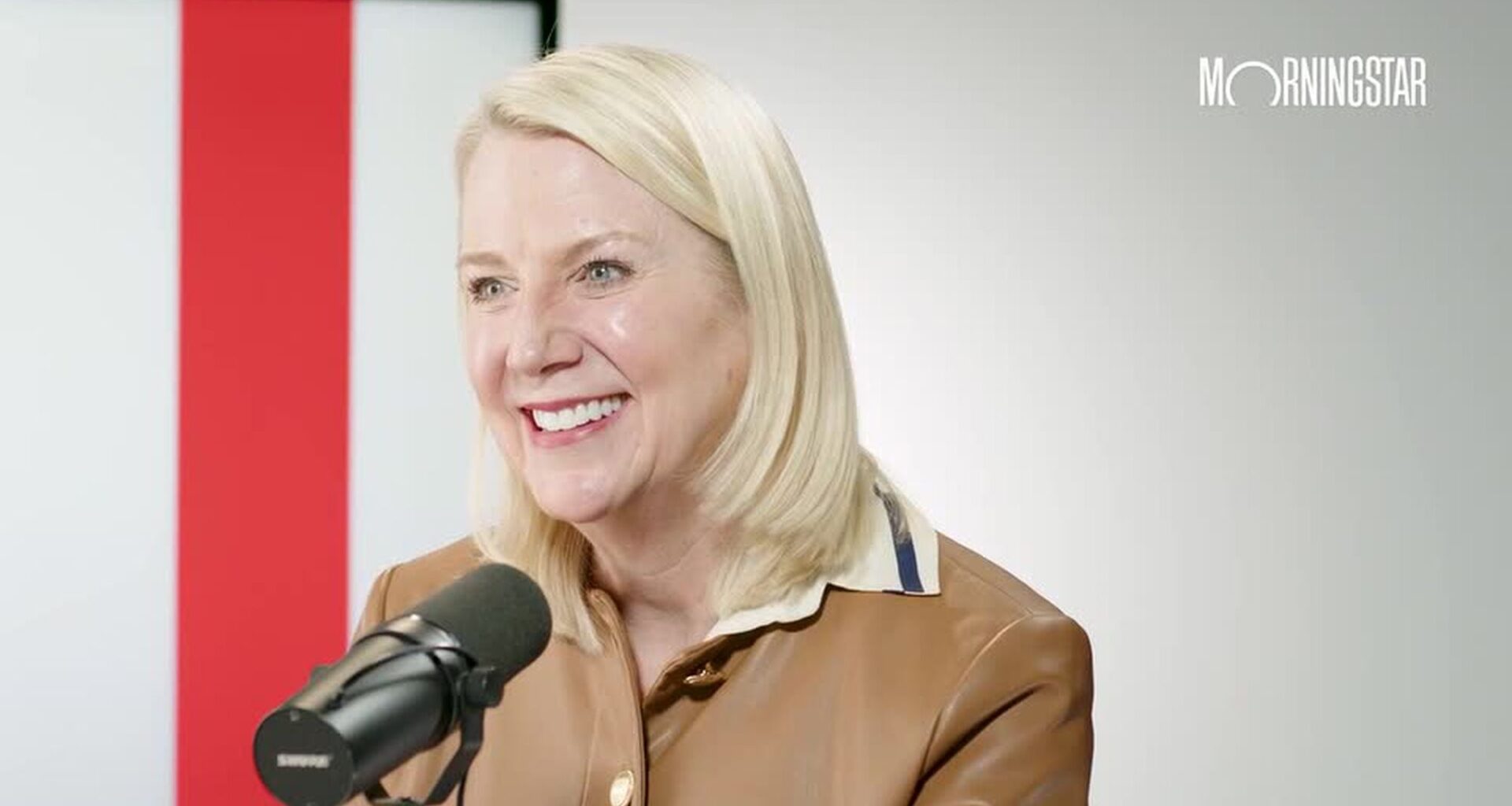
Thanks to its tax benefits, your IRA can be a powerful tool to optimize your portfolio.
Why it matters: Investment firms often see a big influx of new contributions into individual retirement accounts in the early part of each year as investors rush to meet the April 15 deadline. If you’re one of the many investors adding new funds to your IRA, Morningstar’s director of personal finance and retirement planning Christine Benz has some ideas on how to make the most of those contributions and improve your portfolio in the process.
11 Questions on How to Invest Your IRABefore we get into the investment aspect of IRA contributions, let’s spend a few moments on logistics. Contributions limits are going up a bit in 2026, right?People often hit a fork in the road when they’re making their IRA contributions—they can either do a traditional or Roth contribution. How should they decide?Let’s talk about how to invest those funds. We’ve had a great run in stocks. Are there any mistakes people should avoid?Obviously, the right assets to add to an IRA depends on someone’s life stage and other personal considerations. Let’s look at a few of the key profiles, starting with the person who’s just getting going. What types of investments should they be considering?Sticking with those newbie investors, you think a Roth IRA can be a great option. Why is that?And how about for people who have other retirement assets? What steps should they take to determine which assets would be beneficial to add to the mix?You think that many people are apt to find their retirement portfolios lacking in non-US stocks, even after they had a great runup in 2025. What are the advantages of non-US stocks and how can investors tell if they’re underweight?One debate in the realm of international stocks and IRAs is that you miss out on a foreign tax credit because your assets are inside of the IRA. Is that a good reason to avoid non-US stocks in the IRA?You think that people who are getting close to retirement or already are tend to be light on safer assets. Why is that and what type of investments should they consider adding?You also point out that, in contrast with a taxable account, it’s possible to rebalance an IRA without tax consequences. Can you talk about that?Sticking with older adults, perhaps people who are already retired, they may have some extra funds to invest. Are you ever too old to make an IRA contribution?Key Quote on How to Invest Your IRA
You mainly want to avoid the extremes. At the one extreme would be sort of being paralyzed and saying, you know what, stocks don’t seem especially cheap. I’ll hunker down here in cash and maybe move the money in at a later date. The data shows that a lot of people do tend to sit in cash once they fund their IRA. And I think that the reason is probably inertia for many people, that it’s a multistep process. You fund the account and then you have to get back in there to actually direct the contributions. But in any case, you want to avoid hunkering down in very conservative investments, because inflation is going to gobble up most of the modest return that you might earn. At the other extreme would be gravitating to those investment types that have had really spectacular returns over the past few years. A lot of those big-cap US technology stocks, for example, I could see someone saying, well, the returns have been phenomenal. Maybe it will continue. You just want to be careful there because trees don’t grow to the sky. I would urge people to take a little bit of more of a diversified approach that factors in their time horizon and spreads the bets around a little bit more.
Christine Benz, Morningstar director of personal finance and retirement planning
The Takeaway: No matter what your life stage is, if you are looking at your IRA and seeing that you need to make some adjustments to your portfolio’s allocations, or maybe you just didn’t put a lot of thought into your initial selections, you don’t have to worry about any tax consequences of selling. The point is, don’t wait, says Benz. This is in contrast with your taxable account, where, this far into a long-running bull market, you want to be pretty careful about what you’re selling to reposition. As long as the funds stay within your IRA, you won’t owe any tax consequences to change things around.
More From Morningstar on IRA Investing
One of the first decisions you’ll need to make when contributing to an IRA is whether to steer those dollars into a traditional IRA or a Roth account. If your income puts both traditional and Roth account types within reach, the key question to ask is if you’re better off taking the tax break now, at the time of your contribution, or waiting until you’re retired to take it.
From contributions to conversions to distributions, Christine Benz walks through the common pitfalls that investors should avoid with their IRAs.
You have until Tax Day to make 2025 contributions to your IRA. Check out Morningstar’s tax-planning and IRA resources.