

Your support helps us to tell the story
From reproductive rights to climate change to Big Tech, The Independent is on the ground when the story is developing. Whether it’s investigating the financials of Elon Musk’s pro-Trump PAC or producing our latest documentary, ‘The A Word’, which shines a light on the American women fighting for reproductive rights, we know how important it is to parse out the facts from the messaging.
At such a critical moment in US history, we need reporters on the ground. Your donation allows us to keep sending journalists to speak to both sides of the story.
The Independent is trusted by Americans across the entire political spectrum. And unlike many other quality news outlets, we choose not to lock Americans out of our reporting and analysis with paywalls. We believe quality journalism should be available to everyone, paid for by those who can afford it.
Your support makes all the difference.Read more
New data suggests the average American worker has under $1,000 saved for retirement.
A report from the National Institute on Retirement Security found that the median savings for all employed adults between the ages of 21 and 64 were approximately $955. The study includes workers with 401(k) and other retirement savings plans, as well as the approximately 56 million workers who do not have access to employer-sponsored retirement plans.
Workers with retirement savings plans have a median balance of approximately $40,000 saved, according to the report. That figure is nowhere near the $1.5 million that Americans say they need to feel comfortable fully retiring.
Saving for retirement is more important than ever, as Social Security benefits — which have long been a core component of retired Americans’ monthly incomes — may be cut by 20 percent in 2034, barring any congressional action.
“While there have been some noticeable improvements in the retirement savings system in recent years, many workers are still left out of that system, and major challenges lie ahead,” the report warns.

open image in gallery
Working Americans have, on average, under $1,000 saved for retirement, according to new data from the National Institute on Retirement Security, a nonpartisan think tank (Getty Images)
According to a new report from AARP, a lack of retirement savings has forced some seniors to “unretire” or fully return to the workforce to make ends meet. It found that approximately 7 percent of retirees have had to return to work in the last six months, with almost half citing financial security concerns as motivating their decisions.
“With the cost of living still high and many people worried that they don’t have enough saved for retirement, the trend of older adults working longer will likely continue,” Carly Roszkowski, AARP’s vice president of financial resilience programming, said in a statement to CBS News.
The NIRS report found that most Americans who do save are doing so through their employers.
“The bottom line is that if Americans are not saving for retirement through their employer, then they are probably not saving at all,” the report said.
open image in gallery
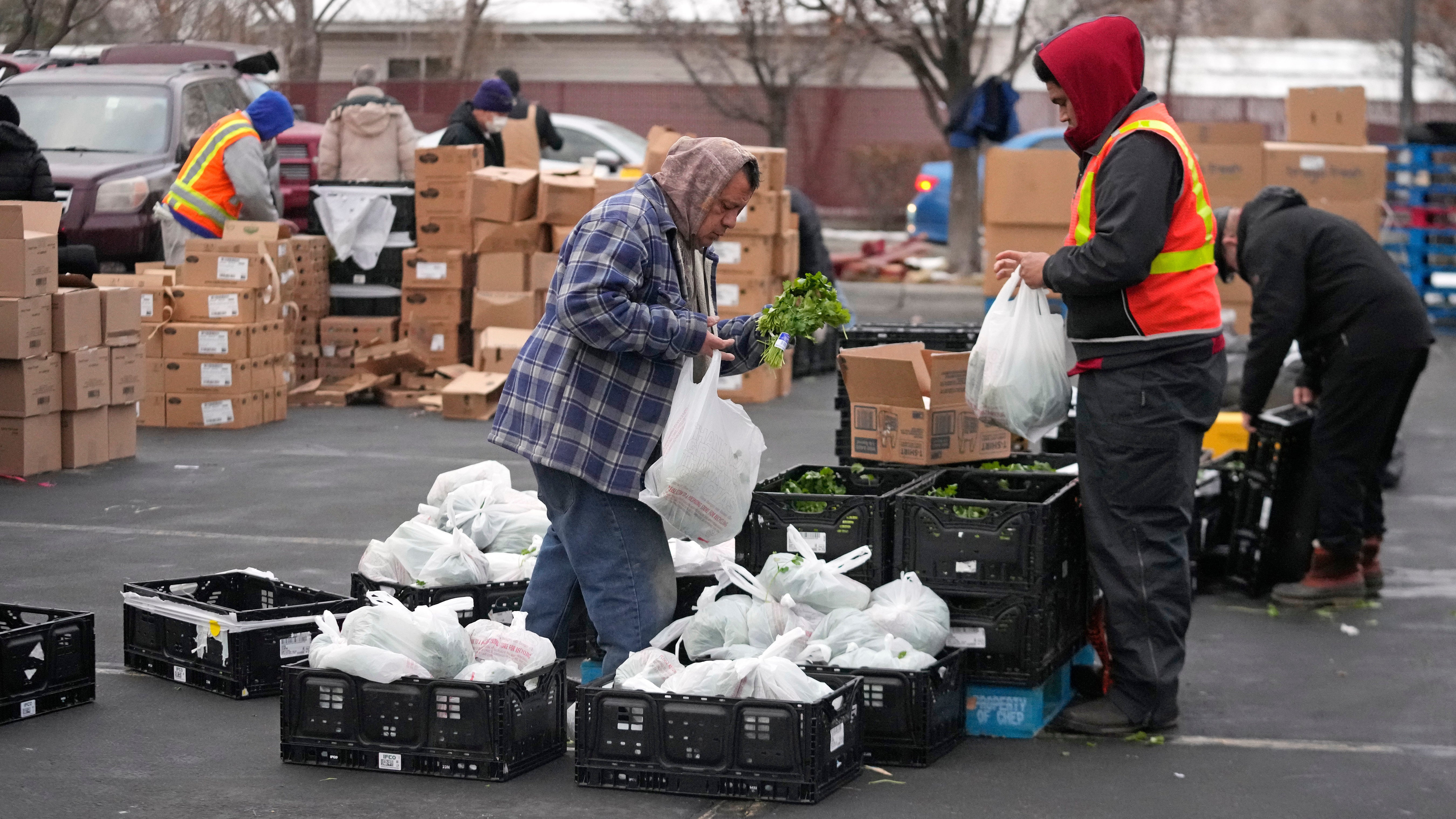
A woman visits a food bank in Utah. Approximately 15 percent of American seniors are living in poverty as of 2024, according to a report from the National Institute on Retirement Security (Copyright 2022 The Associated Press. All rights reserved)
Poverty is on the rise among older Americans, and workers’ lack of retirement savings is likely a significant contributing factor. The study found that the number of seniors living in poverty increased to 15 percent in 2024, gaining one point over the 14 percent reported a year earlier.
More seniors are living in poverty than any other age group, according to the data.
Some financial experts have recommended a savings plan that sees workers have a year’s income saved by age 30, double that by age 35, and continue growing from there as they age.
But saving that much money — especially for Americans who choose to have children — has become difficult as wages stagnate and prices for everything from groceries to rent balloon year after year.