
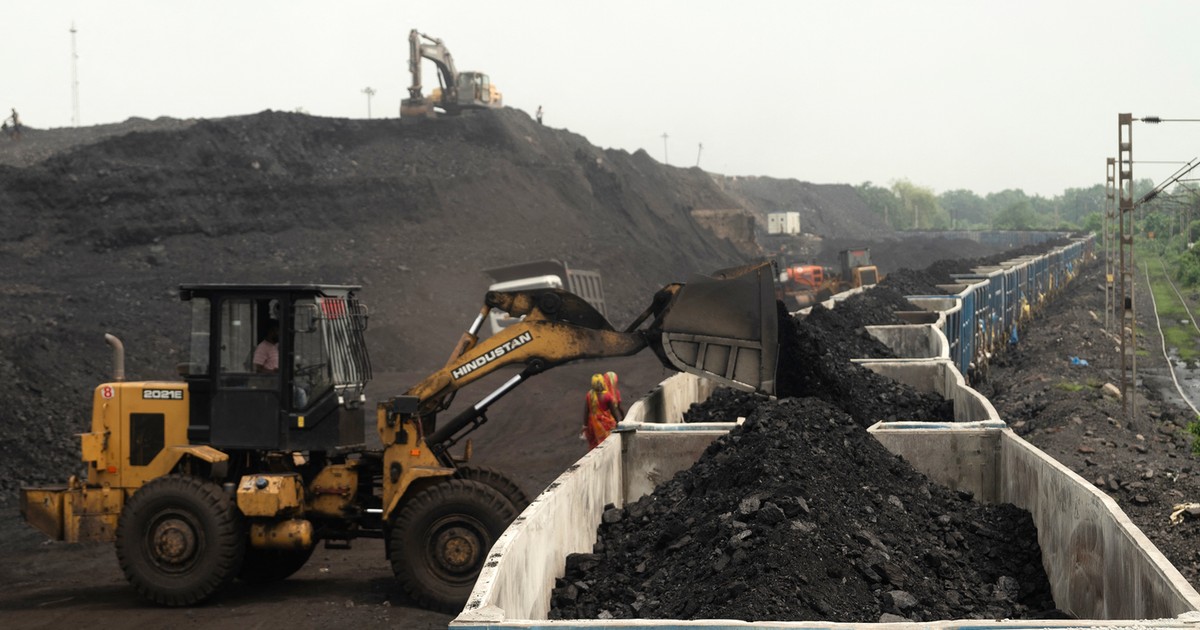
Washington has invested in Congolese mining operations and supported export corridors like the Lobito Railway to channel copper and cobalt to Atlantic markets, diversifying supply away from China.
Beijing, long a dominant buyer and financier, is upgrading key rail links such as the TAZARA line from Zambia’s Copperbelt to Dar es Salaam, while Chinese firms control stakes in major mines and processing infrastructure across the continent.
Moscow has pursued deals in resource-rich regions to safeguard access amid global competition.
Since 2023, rising commodity volatility, fiscal pressures, and a broader push toward resource nationalism have accelerated African regulatory interventions.
Zimbabwe’s mines minister Winston Chitando has said exporting raw minerals is “exporting jobs,” a sentiment increasingly echoed across multiple capitals.
Active export bans
Some governments have opted for outright bans on unprocessed mineral exports. Zimbabwe remains the most prominent example, enforcing a ban on raw lithium exports and compelling mining companies to invest in local processing plants.

In 2025, authorities also indicated that chrome ore exports could face restrictions as part of the same beneficiation strategy. “We are no longer interested in being mere suppliers of raw materials,” Chitando said during a mining conference, arguing that local processing is essential for long-term growth.
Malawi imposed a temporary ban on all unprocessed mineral exports as it reviews its mining framework, with officials saying the pause is intended to reset the sector in favour of domestic value addition.
The Democratic Republic of Congo, which dominates global cobalt supply, has periodically suspended cobalt exports to manage oversupply and reinforce its leverage in battery mineral markets. Congolese officials have described the measures as necessary to “defend national interests” in a sector critical to the energy transition.
Regulatory controls
Elsewhere, governments are relying less on blanket bans and more on regulatory tools that can still halt exports in practice.
This approach is particularly visible in the Alliance of Sahel States. In Mali, a revised mining code adopted after the 2023 coup increased state equity stakes and tightened export permit conditions. Authorities have repeatedly suspended gold exports during disputes over unpaid taxes and contract compliance.
Mali’s finance ministry has said the reforms are designed to ensure the country “fully benefits from its mineral wealth.”
Burkina Faso has taken steps to centralise gold purchasing through state-linked entities and restrict artisanal gold exports, citing widespread smuggling and revenue losses. Officials have also signalled plans to develop local refining capacity, a move that would further reduce reliance on foreign processors.
![Burkina Faso recorded a historic 94 tonnes of gold output in 2025, driven by mining sector reforms, increased state oversight, and a renewed push for energy and resource sovereignty. [AI Image/Stock Photo]](data:image/svg+xml;charset=utf8,%3Csvg%20xmlns%3D'http%3A%2F%2Fwww.w3.org%2F2000%2Fsvg'%20width%3D'790'%20height%3D'441'%20data-ring-placeholder%3D'1'%3E%3C%2Fsvg%3E "Burkina Faso recorded a historic 94 tonnes of gold output in 2025, driven by mining sector reforms, increased state oversight, and a renewed push for energy and resource sovereignty. [AI Image/Stock Photo]")
Ghana’s intervention has taken a different regulatory form. By banning mining in all forest reserves through the revocation of a 2022 regulation, the government has effectively curtailed future gold and mineral output from environmentally sensitive areas.
Lands and Natural Resources Minister Samuel Jinapor said the decision reflected a commitment to protect forests while “restoring sanity” to the mining sector.
Tariffs, ownership rules, and conditional exports
Botswana now requires mining firms to sell 24% of new concessions to local investors, deepening domestic participation in a sector long dominated by foreign capital.
South Africa continues to lean on export permits and policy pressure to protect domestic smelters, particularly in chrome and platinum group metals, while Guinea has enforced refinery construction deadlines that effectively condition bauxite exports on local processing.
The challenge ahead is execution: whether tighter controls can translate into viable processing industries and sustainable jobs, or whether they risk deterring investment and driving more trade into informal channels.
What is clear is that Africa’s era of unquestioned raw mineral exports is rapidly drawing to a close.