
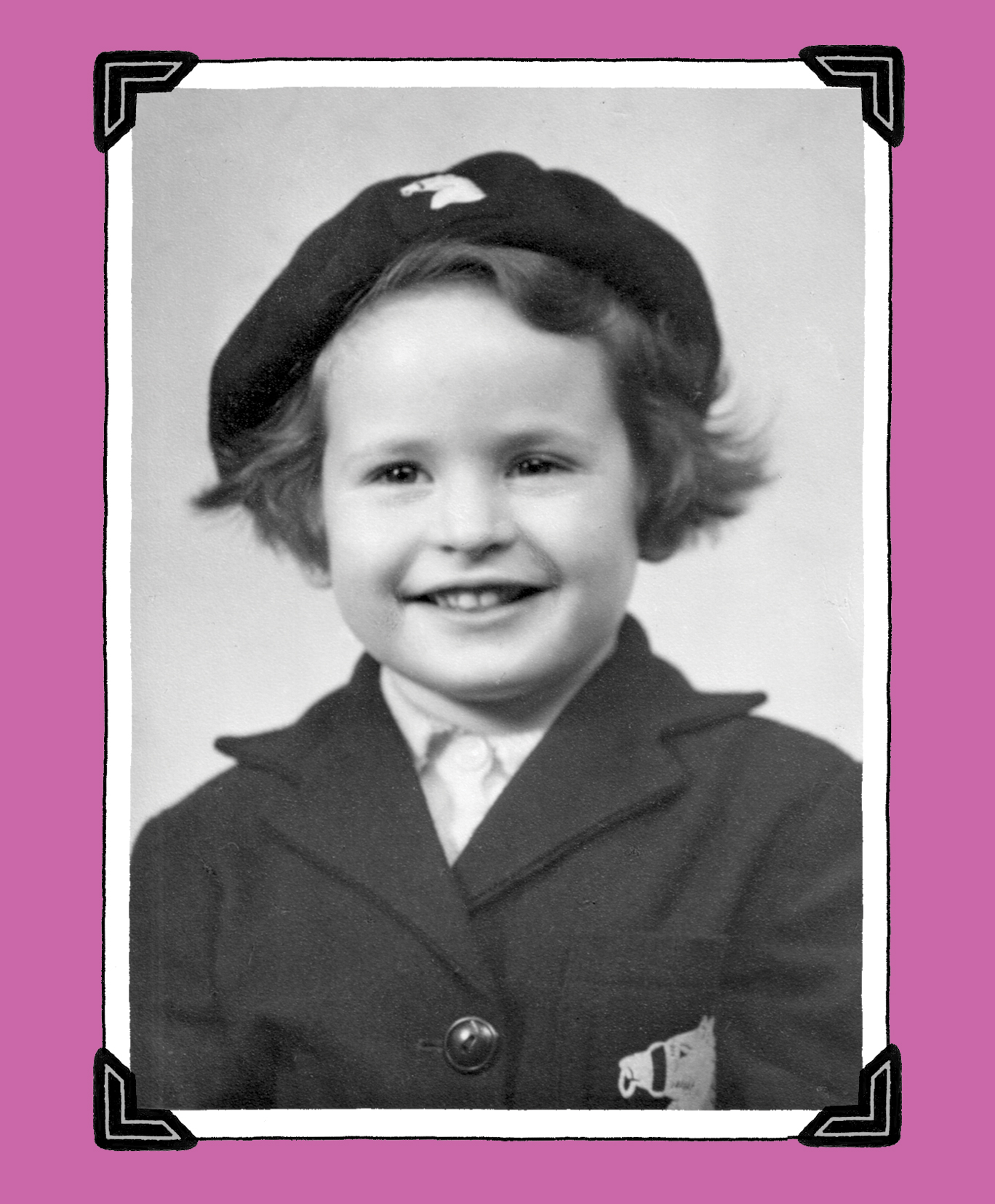
 Wilson as a child, around the time she attended to Festival of Britain
I was impressed by the tallness of the Skylon [a futuristic steel structure], but I must admit that the one thing that stuck in my mind was the miniature train, which was designed by someone called Rowland Emett, and I was allowed to ride on it. Afterwards, my parents and I went to the South Bank because there was dancing after dark, which was one of the most exciting things ever.
Then my bedtime was, I think, 6.30pm, but we stayed up practically till midnight. My parents danced, and I stood on my father’s shoes. I remember vividly looking up at the stars and thinking, “I am up so late. I will never, ever be up this late again.”
Even though we’d won the war, we seemed, in a way, to have lost the peace, because everything was so grim for everybody. But then it did start to be this new exciting time. Perhaps we need a new festival now.
Read more:
Has technology done away with that kind of childhood magic?
There are all sorts of possibilities – here we are talking together remotely as if we were in the same room – but I think it’s really impacting children. I find it quite worrying when you go in a cafe and you see a child of about two holding one of those big baby tablets and immersed in some loud, flashy thing that they’re staring at. That can’t help but be detrimental to a child’s development.
Advertising helps fund Big Issue’s mission to end poverty

A few years ago, nursery schoolteachers were consulted, and they said that for children for whom screen time was actively discouraged, and who had more time chatting to their parents or being read to, their vocabularies were much, much more developed and sophisticated than the ones who looked at a screen all the time. I think that says it all.
Also, like many stodgy old people, I am appalled that children can access the most terrifying things on social media. Appalling images of violence and cruelty can stay in their heads and bizarre representations of what sex is like. If we had a person coming into each and every house and telling children all these lurid things, we’d be absolutely horrified. But it is like many people actually coming and speaking directly to the children, and I don’t think that when you are a child, you can discriminate between what is normal and what is completely sick, and it’s very, very influential.
Is reading at risk in our digital age?
There are still many children who do enjoy reading, and their faces light up talking about a book they’ve loved. But mostly reading is in danger. It’s becoming a really niche thing, like stamp collecting. It’s so frightening that so many bright, intelligent young people look aghast at the idea of reading a Dickens or even a Jane Austen, and they say, “Oh, no, it’s so boring.”
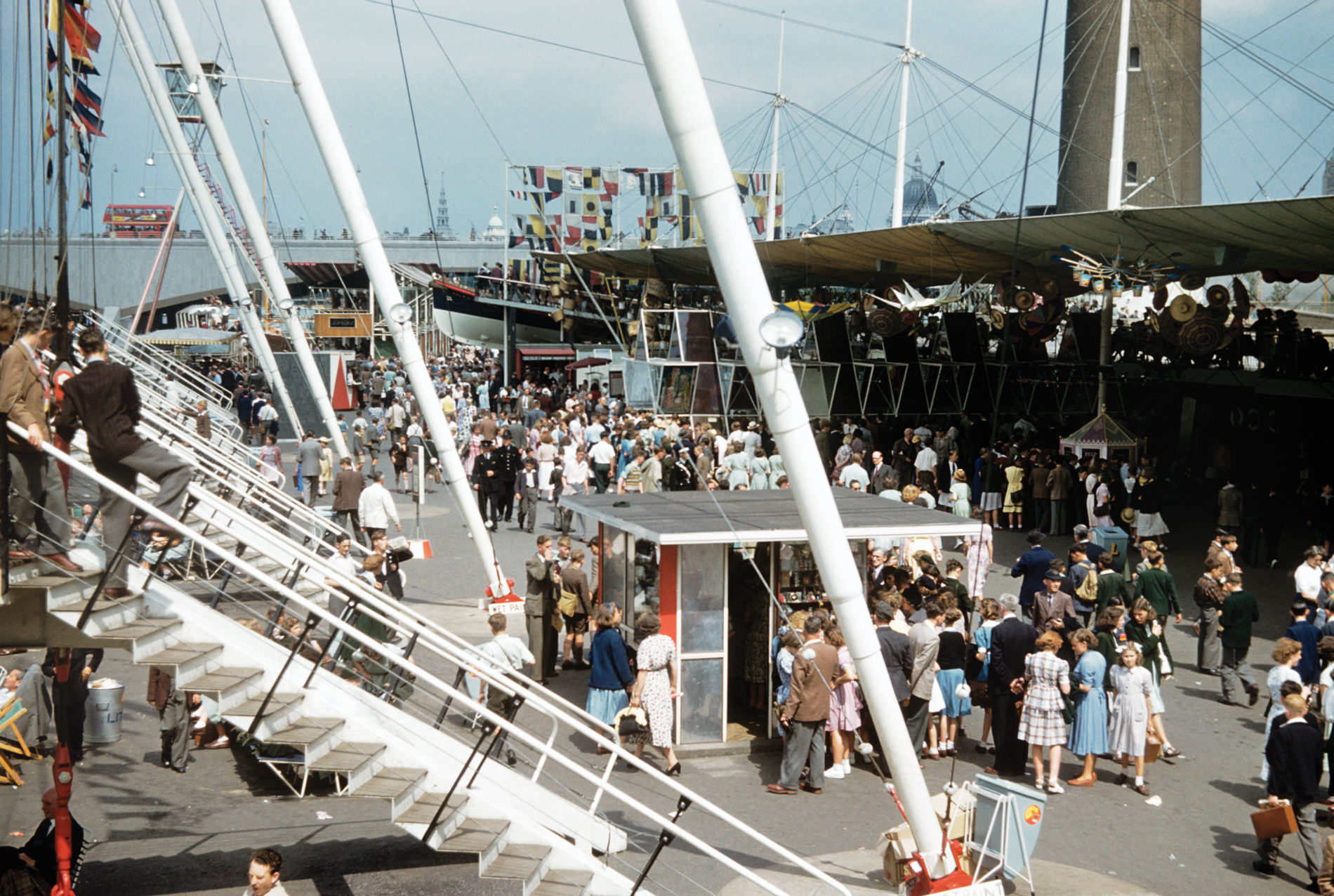 The Festival of Britain on London’s South Bank, 1951
Your books deal with social issues, including the care system. Has much changed?
I think the care system inevitably has to struggle. I’ve got several friends involved with foster care, and I’m proud to be an ambassador of the East Sussex Foster Care Association. I’ve been very much involved in the past with the fostering network, and it’s no easy job, fostering a troubled child who’s had a difficult start, but it’s the most wonderful and rewarding thing. But there aren’t enough foster parents now, and it’s worrying when you see newspaper reports of children in hostels where there isn’t enough care to make sure that they’re in at the right time, not hanging around dubious people.
Advertising helps fund Big Issue’s mission to end poverty
What did you learn from talking to care-experienced young people through Big Issue? [In 2018 Big Issue arranged for Wilson to meet with Who Cares? Scotland to talk about stigma and representation in Tracy Beaker stories.]
I found it very, very useful. I was so impressed. Everything was expressed calmly and we had a good discussion, and I learned a lot from them. Hopefully they might have learned a little bit about why I had approached something in a certain way, and what you can and can’t say in what is actually a children’s book. And then when I wrote a sequel called We Are the Beaker Girls, I dedicated it to them, and had taken on board some of the points they had made. It was a very, very worthwhile meeting, and I was highly impressed by them all.
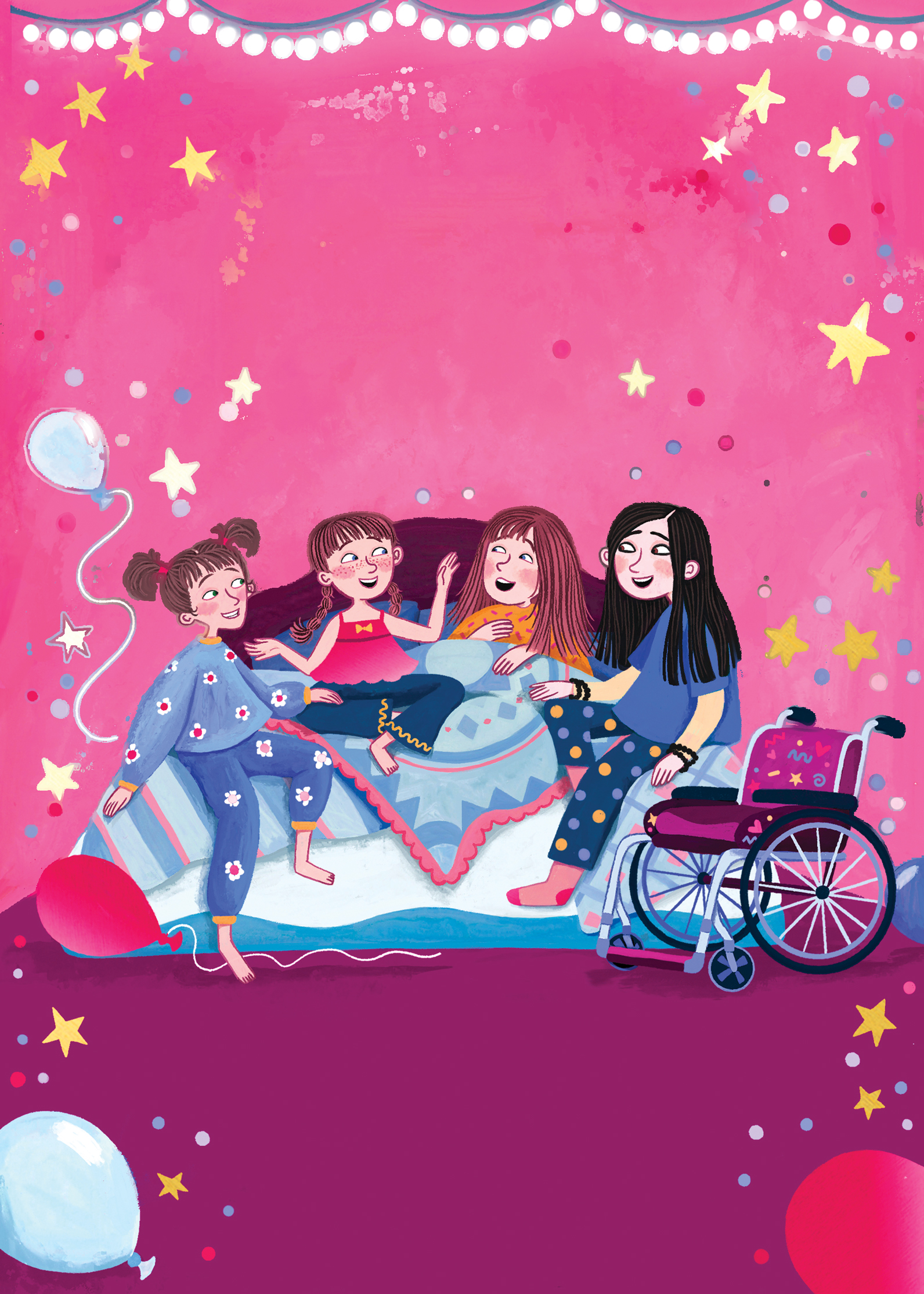 Illustration by Rachael Dean from The Best Sleepover in the World. Illustration: Rachael Dean
What can parents and children look forward to at your sleepover?
I will be there with my lovely illustrator, Rachael Dean, and we will be talking about the Sleepover series and sleepovers in general. Rachael’s going to be doing a draw-along, and then the children are going to have a lovely tour around the Festival Hall, and there’s all sorts of activities for them. Then they get me again!
Possibly my job is to calm them down, but we’ll do something interactive – I have in mind some kind of quiz that doesn’t get them too hyper. Then I will be wishing them all goodnight and hopping on the train back home, because my days of lying in a sleeping bag on the floor are long over!
Imagine is running from 11-21 February at the Southbank Centre, including An Evening with Jacqueline Wilson and Rachael Dean on 15 February.
Advertising helps fund Big Issue’s mission to end poverty
Do you have a story to tell or opinions to share about this? Get in touch and tell us more.
Change a vendor’s life this winter.
Buy from your local Big Issue vendor every week – and always take the magazine. It’s how vendors earn with dignity and how we fund our work to end poverty.
You can also support online with a vendor support kit or a magazine subscription. Thank you for standing with Big Issue vendors.