
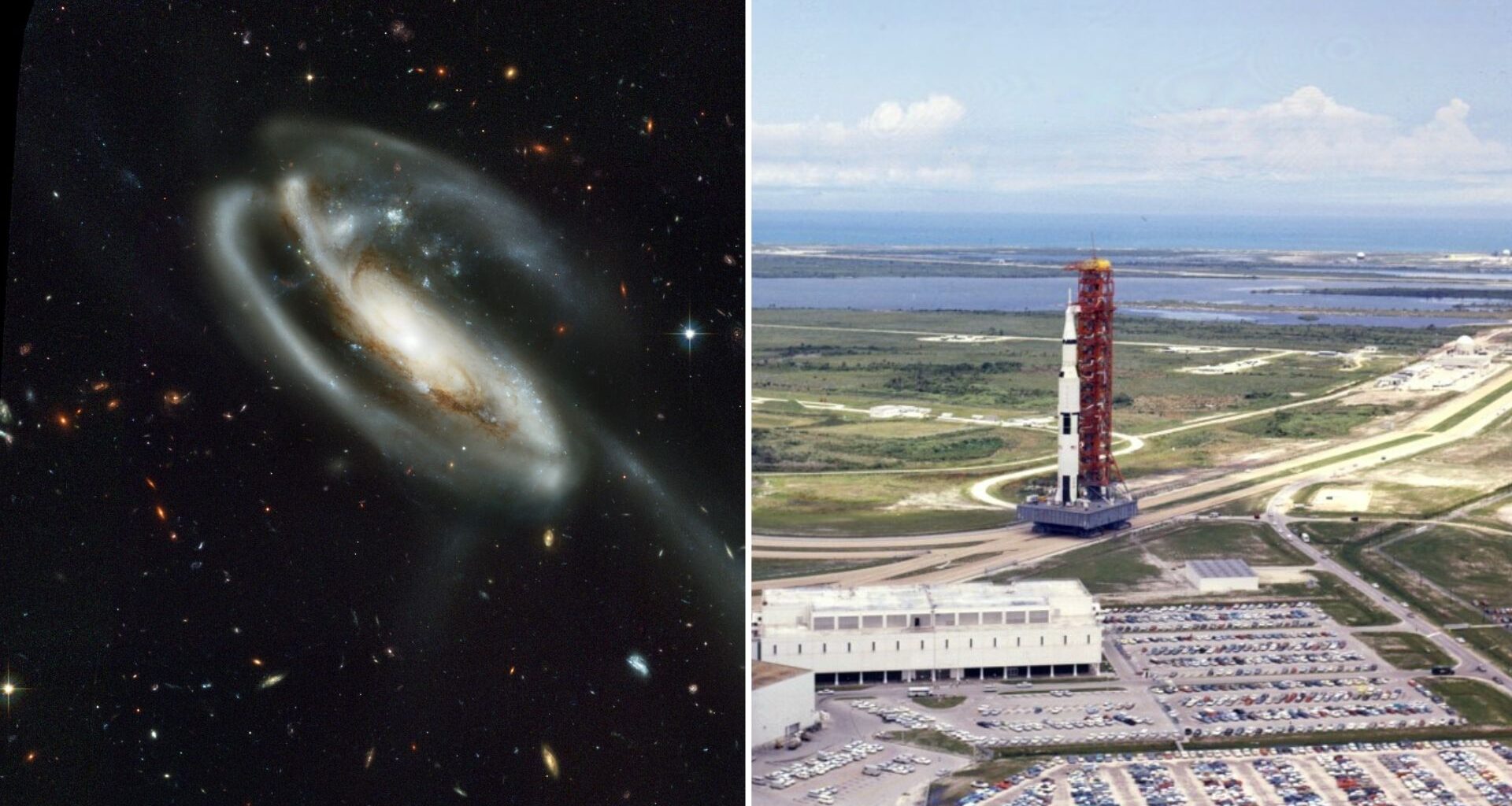
Space has long been a matter of great curiosity and perplexity for humans. Astronauts are trained to observe with eagle-eyed precision, yet their accounts of experiences in space are often packed with scientifically intriguing, fascinating, and often controversial phenomena.
When patterns are observed, the space events always have subjects for a long debate. That being said, here are some of the most uncanny and weird sightings that have puzzled the astronauts who have witnessed them.
1. Mercury-Atlas 9
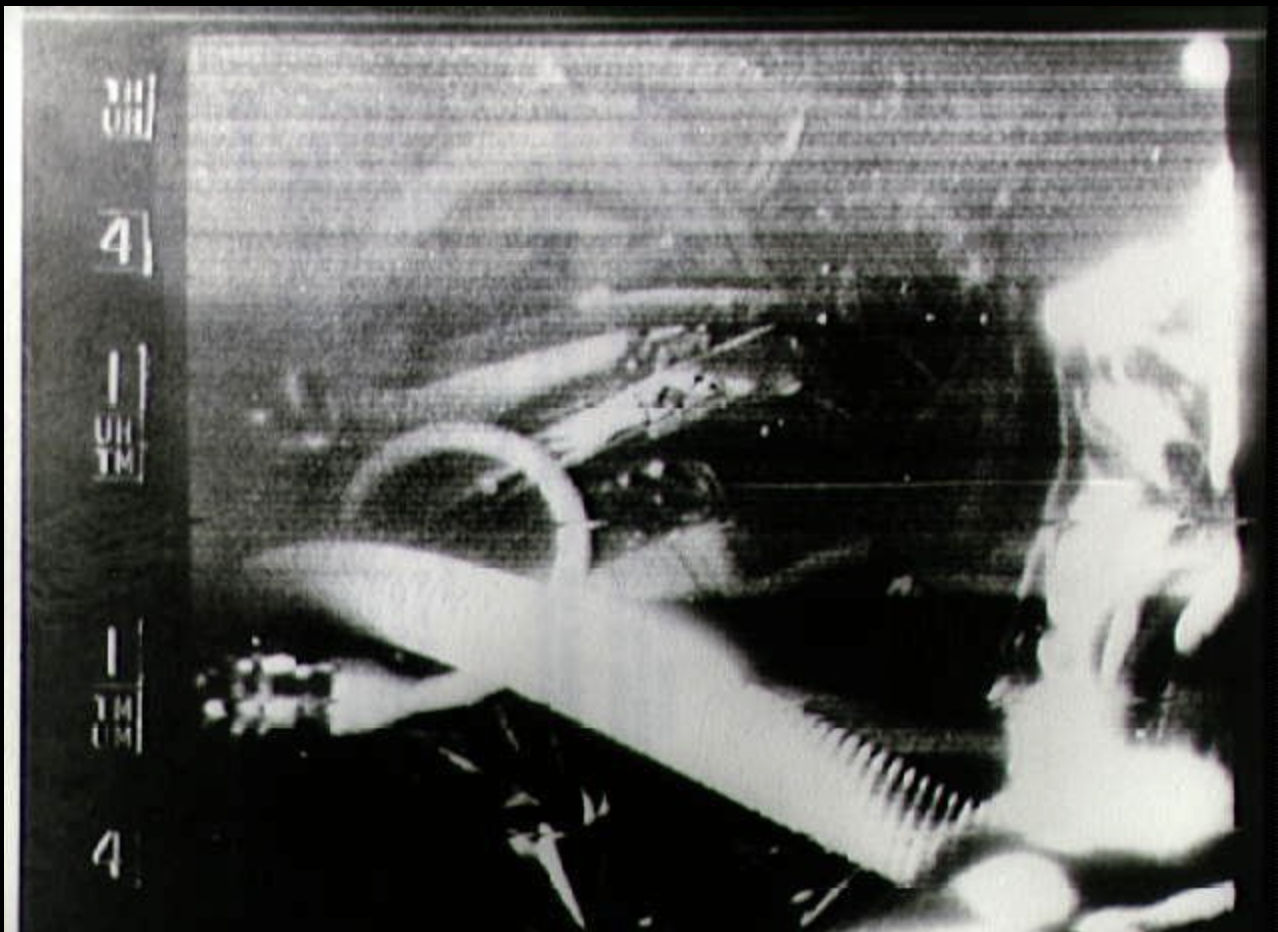
During Mercury-Atlas 9, Gordon Cooper reportedly observed a greenish glowing object that seemed to approach his capsule with purposeful movement. The story frames this as different from passive orbital debris because it appeared to draw closer “as though pursuing” the spacecraft.
What distinguished this report was corroboration. The tracking station at Muchea, near Perth, Australia, located at a considerable distance from Cooper’s spacecraft, allegedly detected the same fast-moving object on radar, converging on the capsule.
This independent confirmation added significant credibility to an account that might otherwise be dismissed as pilot fatigue or visual illusion.
2. The Gemini 4 cylindrical object: The Tadpole photos
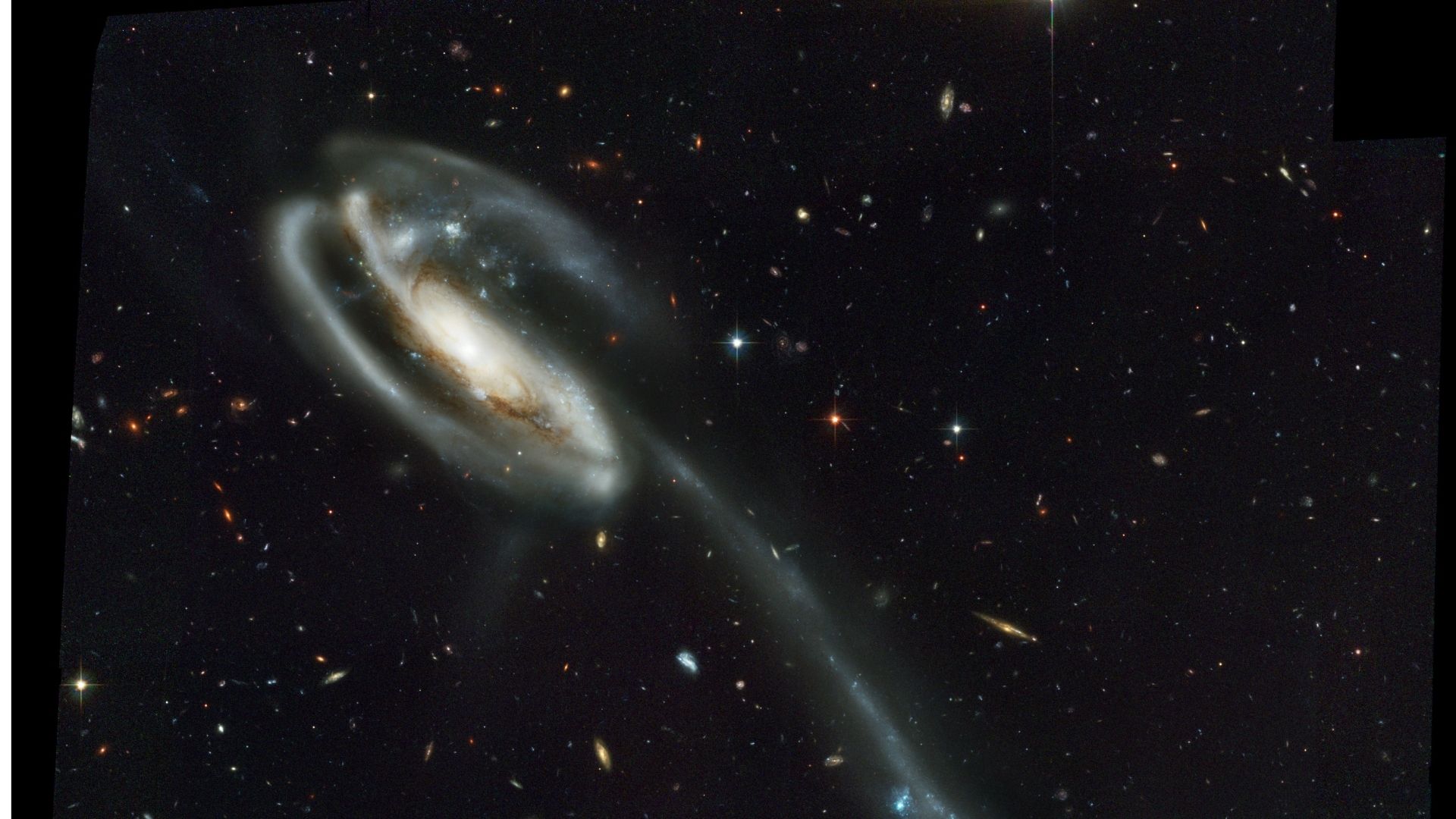
Astronaut Jim McDivitt spotted a white cylindrical object with a pole-like extension whilst on Gemini 4, likening it to a beer can with a pencil. He attempted to film it, but the resulting images looked like “tadpoles” due to their blurry appearance.
A few years later, McDevitt revealed the object could have been reflections from bolts in the spacecraft windows. However, this explanation appears inconsistent with his original detailed description of the object’s characteristics and apparent movement.
3. Apollo 10 space music
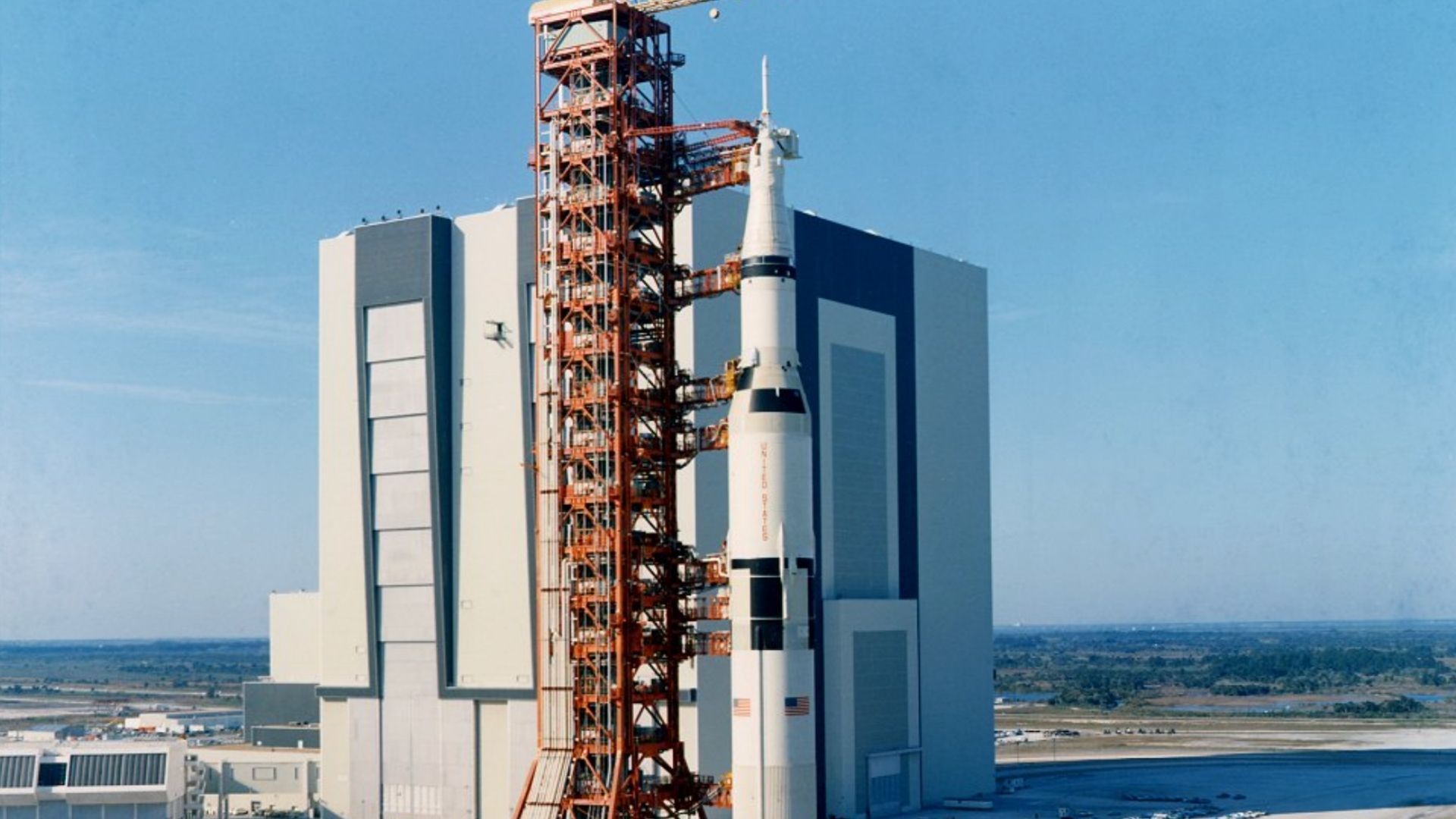
Apollo 10 astronauts revealed hearing strange whooping and whistling sounds while traversing the Moon’s far side. They described it as “weird music” during a period of radio silence with Earth. The recording captures their uncertainty and even their worry that nobody would believe them.
On further investigation, NASA confirmed it was radio interference: VHF systems in the Command Module and Lunar Module created beat frequencies that produced warbling tones. It also notes similar sounds on other lunar missions and points out that the disorientation came from not immediately identifying the source in such an alien sensory context.
4. Apollo 11 light following the spacecraft
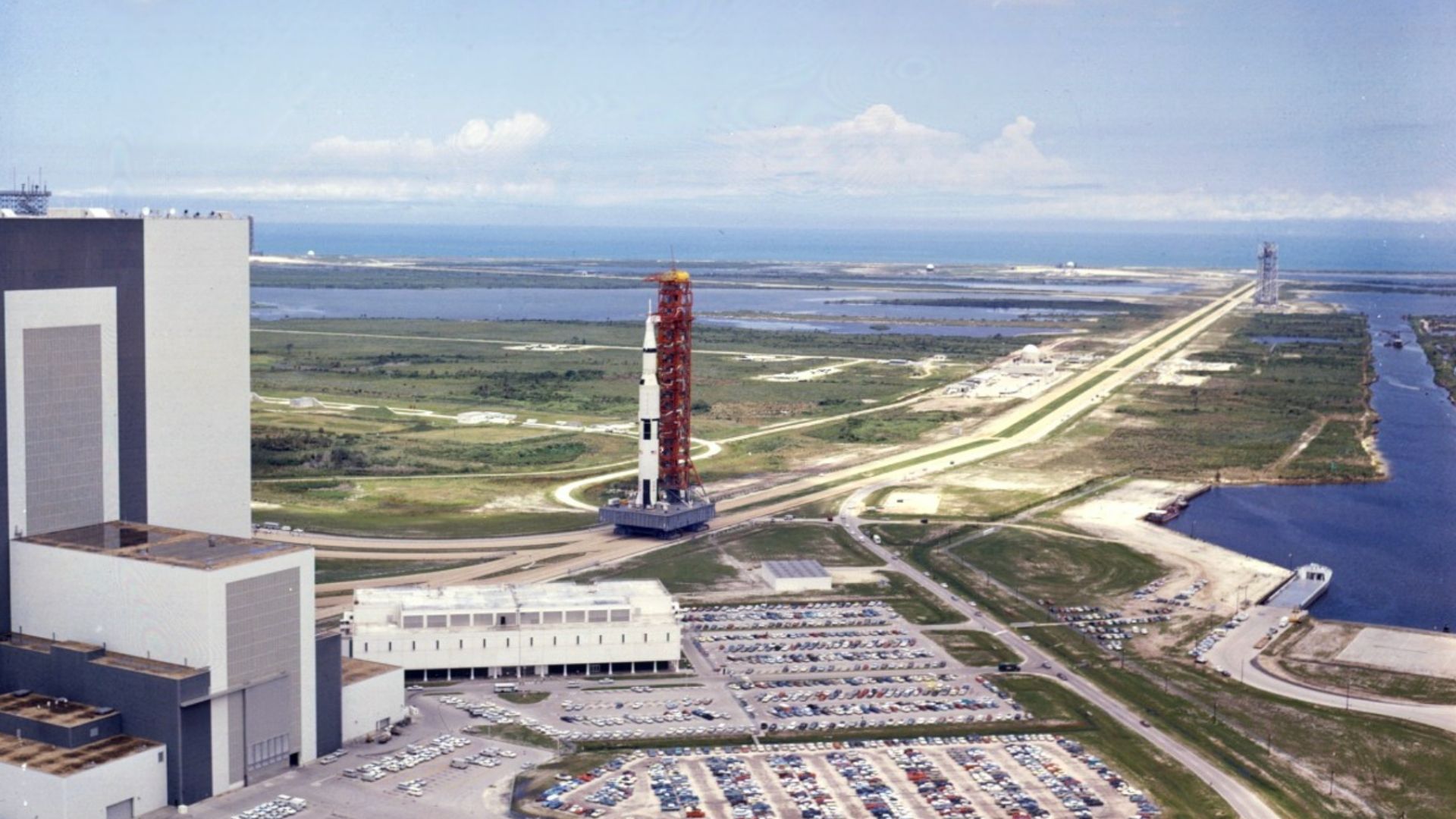
Buzz Aldrin witnessed a light that appeared to move alongside the Apollo 11 spacecraft on the way to the moon. In his later clarification, quoted here, he pointed to plausible spacecraft-related sources, such as a separated rocket component or panels that moved away during operations, and explicitly concluded it was not an alien.
No official source has ever verified these spectacular claims, and they are widely recognized as a hoax perpetrated by Binder. NASA has never released any such communications, and there is no credible evidence that they exist.
5. Apollo 17
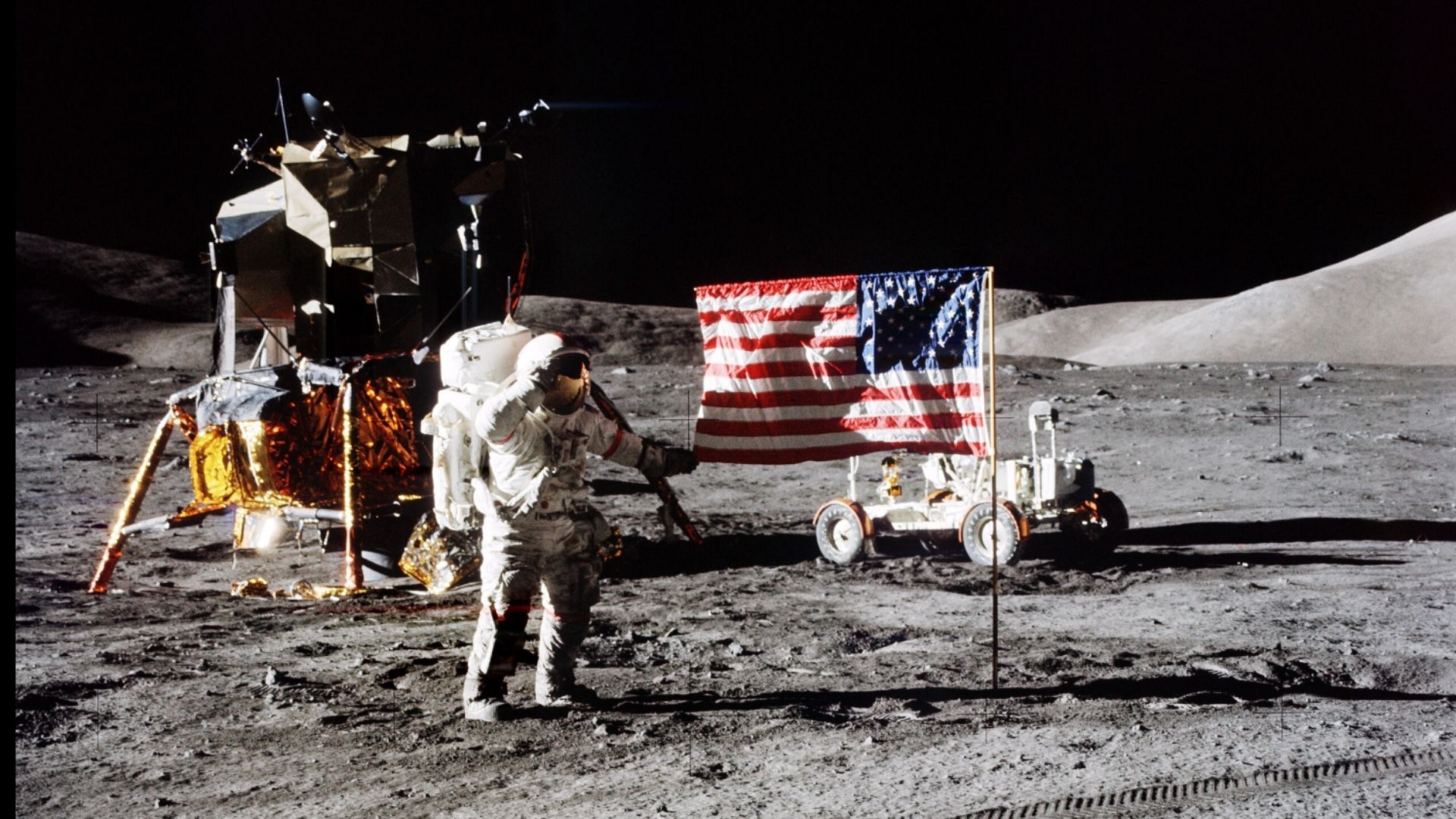
NASA biomedical engineer Joanne Donaldson claimed that astronaut Ron Evans said, “No, I got company,” when asked whether he was lonely in lunar orbit. The narrative includes allegations that NASA cut a public feed and instructed staff to treat it as an anomaly to be kept secret.
Donaldson also claimed Evans described a cigar-shaped object around 40-45 feet long and expressed doubt that it was Russian hardware.
The account stresses that this remains unverified, with no astronaut confirmation or official records presented here. This has made it a clear example of how compelling stories can persist without independent corroboration.
6. Space Snakes
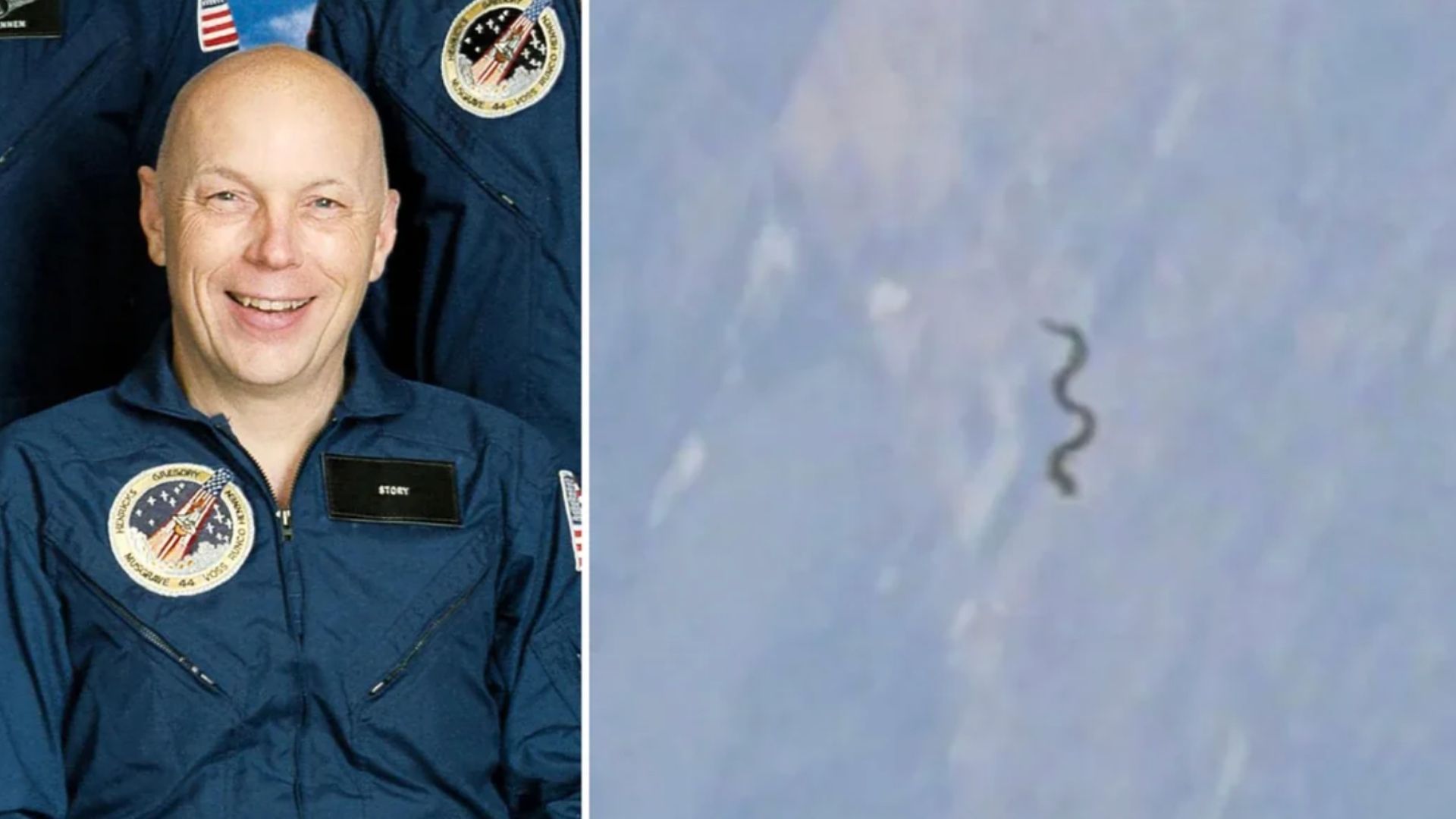
Story Musgrave reported seeing elongated, white, snake-like objects outside the shuttle on two missions, describing them as 6-8 feet long and moving with intention.
The repetition across separate flights in the account appears consistent; however, the official explanation states that he likely saw debris, such as non-critical rubber seals reflecting sunlight.
The account notes Musgrave hasn’t backtracked on his testimony, highlighting the frequent gap between an observer’s lived certainty and the plausibility of mundane causes.
7. The dog-bone object
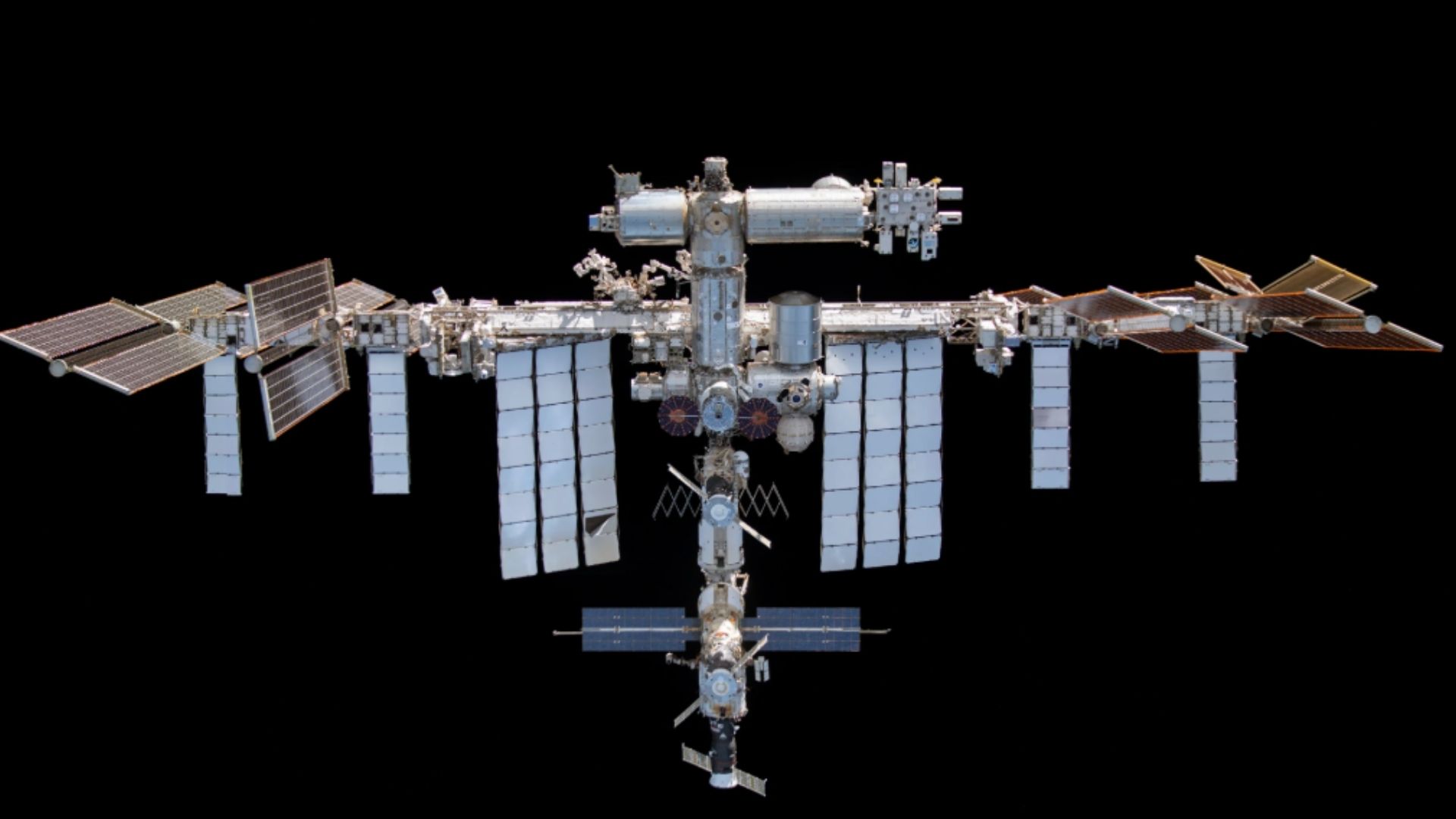
NASA astronaut Chris Cassidy reported seeing an unidentified object drifting near the International Space Station and recorded it in his phone before notifying Mission Control. The sighting was briefly noted in NASA’s station status updates and drew media interest at the time.
Russian flight controllers later said the object was an antenna cover that had come loose from the Zvezda service module during maintenance. Although an initial inventory check caused some confusion, the object’s slow tumbling motion matched the expected behavior of small debris moving in orbit.
8. Cosmic ray flashes: Light shows in the void
Astronauts across Apollo missions and the ISS have witnessed strange flashes of light appear in the darkness, ones that can be felt even with the eyes closed. Astronauts described them as darting flares with varying brightness and color.
The explanation given is that high-energy cosmic rays strike the retina and visual system, and the brain interprets the impact as light. Even with that mechanism understood, the experience still feels eerie because it happens in complete darkness and with no familiar external source.
9. Chinese astronaut knocking sounds
China’s first astronaut, Yang Liwei, reported hearing knocking sounds during Shenzhou 5, describing them as like striking an iron bucket with a wooden hammer. He investigated visually and found nothing, and the strangeness was heightened by the expectation that sound should not behave normally in a spaceflight context.
The account says similar knocking sounds were heard on later missions in 2005 and 2008, suggesting a valid cause rather than any malfunction. Experts proposed different theories, such as thermal expansion and contraction or pressure changes, that could have caused the issue.
10. The Gemini 7 “Bogey”
Astronauts James Lovell and Frank Borman reported “bogeys” during their Gemini 7 mission. Transcripts showed Lovell insisting they had “several… actual sightings.” The exchange is notable because Lovell explicitly distinguished the known booster from other objects they perceived separately.
The incident was later attributed to booster-associated debris, with Borman affirming it was not a UFO. The text adds an illustrative media note: Borman offered to clarify on a TV program but was declined, showing how entertainment incentives can preserve mystery even after a mundane resolution.
Conclusion
Across these cases, it is clear how elite observers end up disoriented by an environment that lies oodles of miles away from Earth. Astronauts report what they genuinely perceive in the moment, and later investigation often reframes those perceptions into technical causes, debris dynamics, or signal interference.
Some events become clearer with better data, while others remain contested due to limited verification capabilities. In the end, space is such an unusual environment that what’s normal there can feel mysterious, even to experts.