
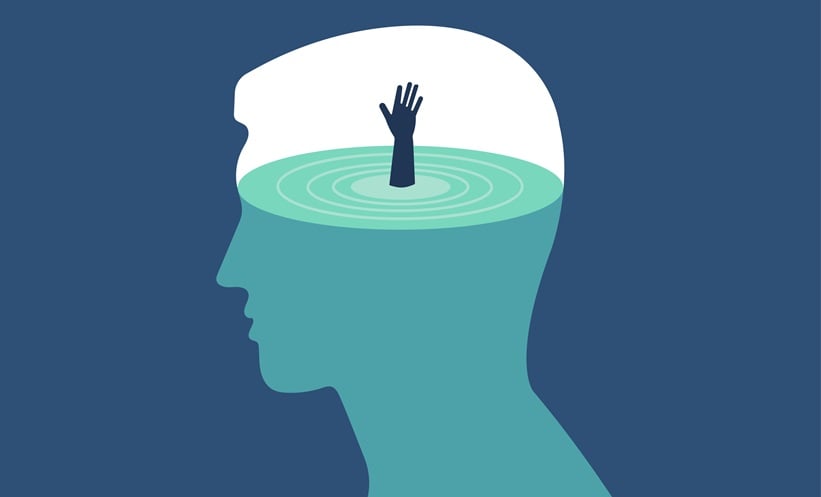
EXPOSURE to psychosocial stress across the life course is associated with a higher risk of dementia and stroke in later life, with depression playing a key mediating role, according to new cohort data from China.
Stress Accumulates Across Childhood and Adulthood
In this population-based cohort study of more than 11,600 middle-aged and older adults, researchers examined how adverse childhood experiences and adverse adulthood experiences influence the development of dementia and stroke.
Nearly four in five participants reported at least one adverse childhood experience, while more than one third experienced adversity during adulthood. Individuals exposed to stress at both stages of life represented the highest-risk group, highlighting how cumulative exposure may compound long-term neurological vulnerability.
Dementia Risk Linked to Early and Later Stress
Both adverse childhood and adulthood experiences were significantly associated with an increased risk of incident dementia during follow-up. Adults exposed to adverse experiences in later life showed a particularly strong association, suggesting that stressors occurring closer to older age may exert a more immediate impact on cognitive decline.
Participants exposed to high levels of adversity in both childhood and adulthood faced more than a threefold higher risk of developing dementia compared with those in low-risk groups, reinforcing the concept of a dose-dependent relationship between psychosocial stress and neurodegenerative outcomes.
Stroke Risk Driven by Adult Adversity
While childhood adversity alone was not consistently associated with stroke, adverse adulthood experiences were linked to a significantly higher risk of stroke incidence. This association was especially pronounced in younger participants, indicating that stress exposure during working-age adulthood may influence vascular vulnerability earlier than previously recognised.
Latent class analysis further identified a subgroup with high-risk childhood adversity patterns that were associated with increased stroke risk, suggesting that specific stress profiles may have distinct long-term vascular consequences.
Depression as a Biological and Behavioural Pathway
Depression emerged as a partial mediator across all major associations. It accounted for over one third of the relationship between childhood adversity and dementia, and approximately one fifth of the associations between adulthood adversity and both dementia and stroke.
These findings support the hypothesis that chronic psychosocial stress contributes to neurovascular disease through sustained psychological distress, behavioural risk factors, and biological mechanisms such as inflammation and dysregulated stress responses.
Implications for Prevention Across the Life Course
The study highlights that early identification of psychosocial stressors, combined with effective mental health support and depression prevention, may reduce the long-term burden of neurodegenerative and cerebrovascular disease.
Reference
Chen B et al. Life-course psychosocial stress and risk of dementia and stroke in middle-aged and older adults. JAMA Netw Open. 2026;9(1):e2556012.