
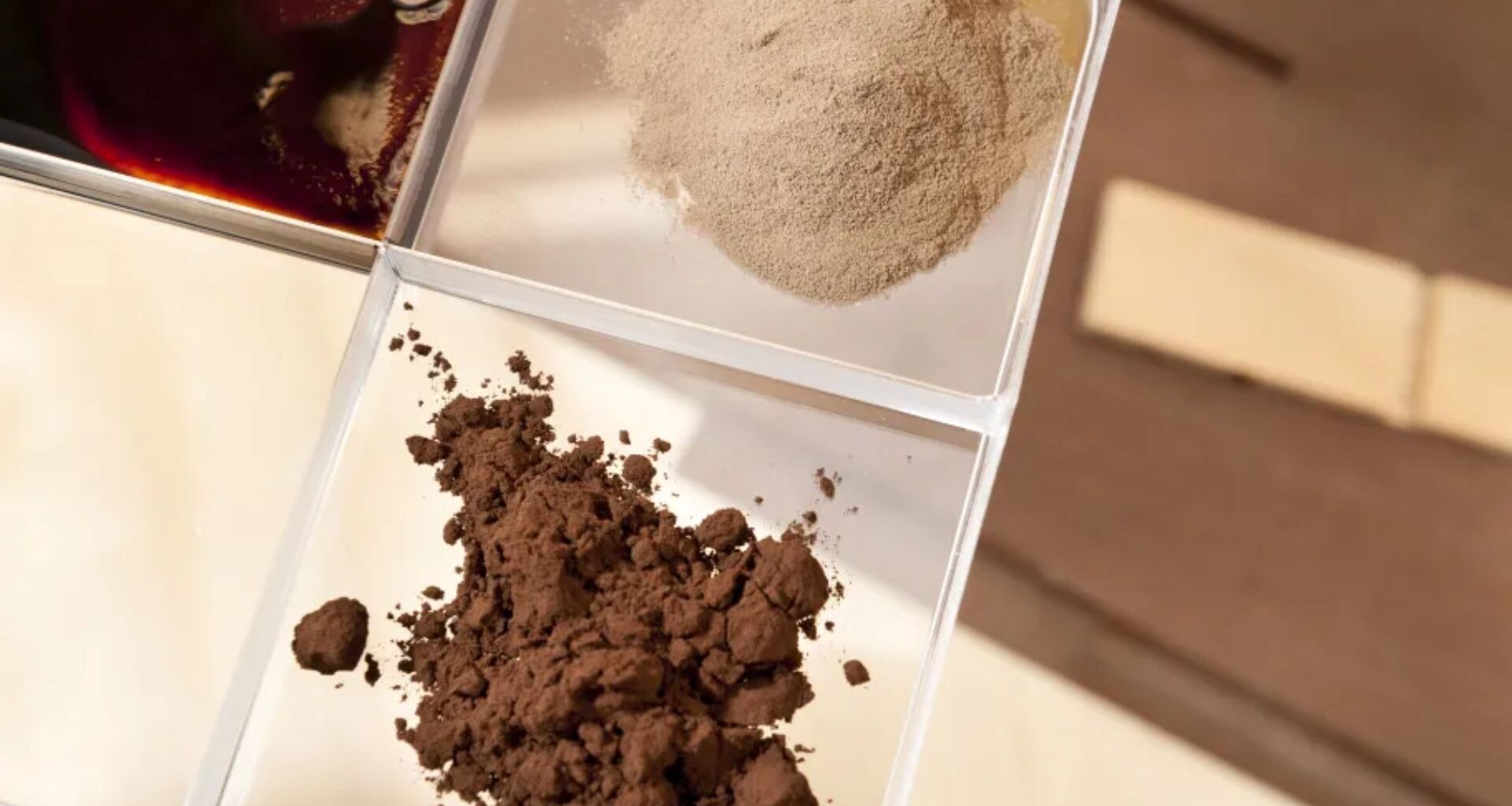
Researchers at Wageningen University & Research (WUR) have defied long-standing material theories by developing a brand-new class of material known as a “compleximer.”
This amber-colored substance achieves a combination of traits previously thought to be mutually exclusive: it possesses the rugged impact resistance of plastic while remaining as easy to reshape and blow as glass.
Defying the brittleness rule
For decades, materials science has operated under a strict rule of thumb regarding “glassy” materials. The prevailing wisdom suggested that the more slowly a material melts and the easier it is to process, the more brittle it inevitably becomes.
However, Professor Jasper van der Gucht and his team have effectively shattered this assumption.
Their discovery reveals a material that melts slowly enough to be meticulously shaped but remains tough enough to bounce off a floor rather than shattering into shards.
The physics of molecular “magnets”
The breakthrough lies in the way the material is held together at a molecular level. While conventional plastics rely on chemical cross-links that act as a permanent glue to bind long molecular chains, compleximers use physical attractive forces.
In this new structure, one half of the chains carries a positive charge while the other carries a negative charge. These opposite charges attract one another like magnets, keeping the chains together without being chemically fixed in place.
Because these attractive forces act over a greater distance than traditional chemical bonds, there is more space between the chains. This molecular “breathing room” is what gives the material its unique properties.
It allows the substance to be kneaded and blown at high temperatures while maintaining a structure that can absorb shocks.
This discovery was particularly surprising when compared to ionic liquids and other charged materials, suggesting that substances with electrical charges can exhibit entirely new behaviors that scientists are only just beginning to map out.
“Showing that charged materials can behave fundamentally differently from what we expected is what excites me most at this stage,” said Van der Gucht.
The “hairdryer fix” and future sustainability
The practical implications of this “impossible” material are particularly exciting for the future of consumer goods.
Because the chains are held together by physical forces rather than permanent chemical bonds, the material is inherently self-healing.
If a compleximer roofing panel or a piece of garden furniture were to develop a serious crack, a repair could be as simple as heating the area with a hairdryer and pressing the gap together to let the molecular magnets re-establish their bond.
A greener alternative to fossil plastics
While the current version of the compleximer is made from fossil-based raw materials, the WUR team is already looking toward a more sustainable future.
Wouter Post, a senior researcher in Sustainable Plastic Technology, emphasizes that this work opens the door to plastics that are not only easier to repair but may also be designed to break down biologically.
“Most applied research focuses on improving recycling, whereas this work opens the door to plastics that are easy to repair or even break down biologically very quickly,” concluded Post.
Professor Van der Gucht is currently prioritizing the development of biobased versions over the coming years to ensure this scientific milestone contributes to the global transition toward sustainable materials.