
By the early 1990s, Star Trek: The Next Generation had moved past its shaky first seasons and settled into a rhythm that fans just couldn’t get enough of. Captain Picard’s Enterprise was the stage for many of Star Trek’s most interesting moments, characters, and ideas. Perhaps still the all-time favorite franchise outing among fans, it remains the gold standard for Trek and even served as a precursor to a modern Trek favorite.
Truthfully, modern era Star Trek looks very different. Yet one show in particular does justice to the spirit of Trek while going full comedy in the animation format. Even more surprising, perhaps, is how the genesis of the show can be traced back to a TNG episode. On February 7, 1994, Star Trek: The Next Generation aired “Lower Decks,” an episode that shifted perspective away from the bridge crew and, in doing so, laid the groundwork for what would eventually become Star Trek: Lower Decks.
How “Lower Decks” Opened Star Trek Up to A New Point of View
 paramount
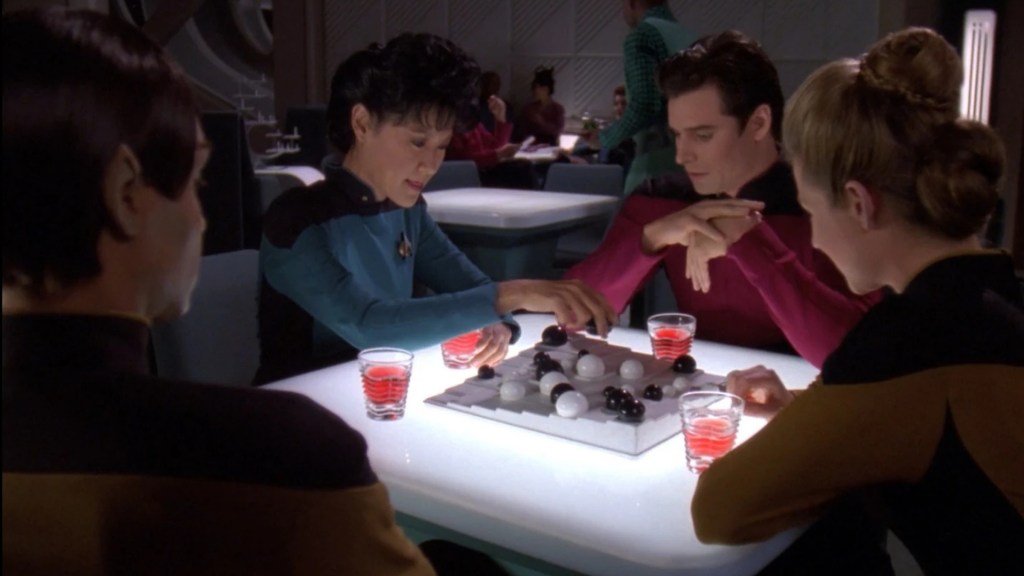
The Next Generation’s Season 7 episode “Lower Decks” is particularly unique because it dares to make its main cast into side characters. Instead of focusing on Picard, Riker, or Data, the episode features four junior officers: Ensigns Taurik, Lavelle, Sito Jaxa, and Alyssa Ogawa. As the story unfolds, we watch these ensigns navigate the mundanities of daily life, including career anxiety, friendships, and the pressure of living up to Starfleet ideals and the legendary officers they serve under. From the lower decks, Captain Picard seems stern and distant while Riker comes across as intimidating. Thus, the brilliance of the script lies in how it reframes our beloved characters through unfamiliar eyes and reminds us that Starfleet is still an institution and that many of its heroes go unrecognized.
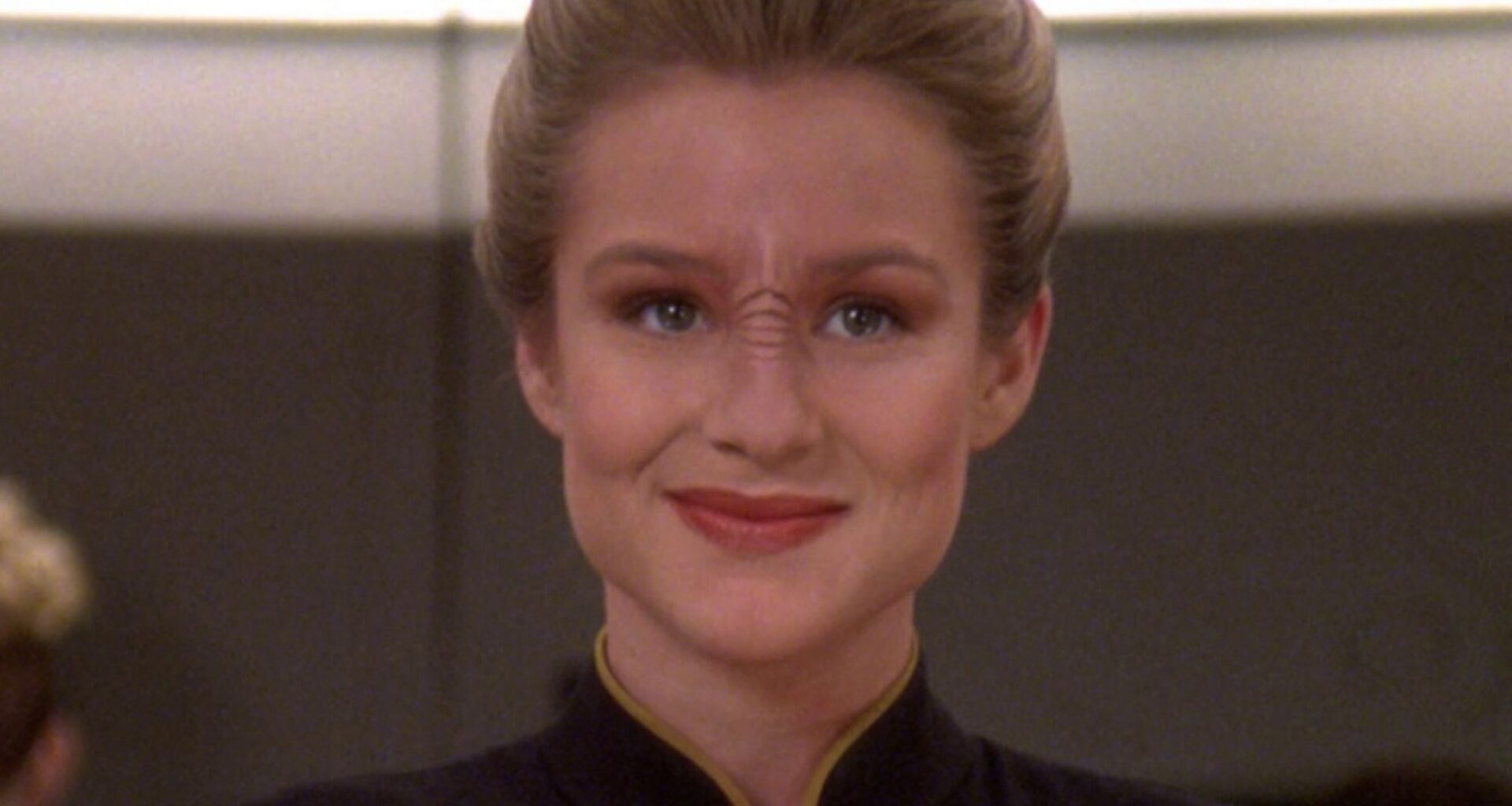
The crux of the episode comes from Sito Jaxa, played by Shannon Fill, who was previously introduced in the Season 5 episode “The First Duty,” where she was involved in a Starfleet Academy cover-up led by Nicholas Locarno. In “Lower Decks,” she’s still carrying the weight of that mistake and is desperate to redeem herself. She’s eventually assigned to a dangerous Cardassian mission, and her (implied) death hits hard after the episode has spent so much time showing us her humanity.
How Star Trek: Lower Decks Turned an Old Concept into A Beloved Series
 paramount
At the time the episode aired, there was no way to know that decades later, Star Trek masterminds would take the concept of the unsung lower-rung crew and run with it. While not as somber or dramatic as the “Lower Decks” episode, Star Trek: Lower Decks is easily the most beloved new Trek series to come out in a decade, transforming the TNG side quest into an irreverent animated comedy series full of lore references and Star Trek deep cuts.
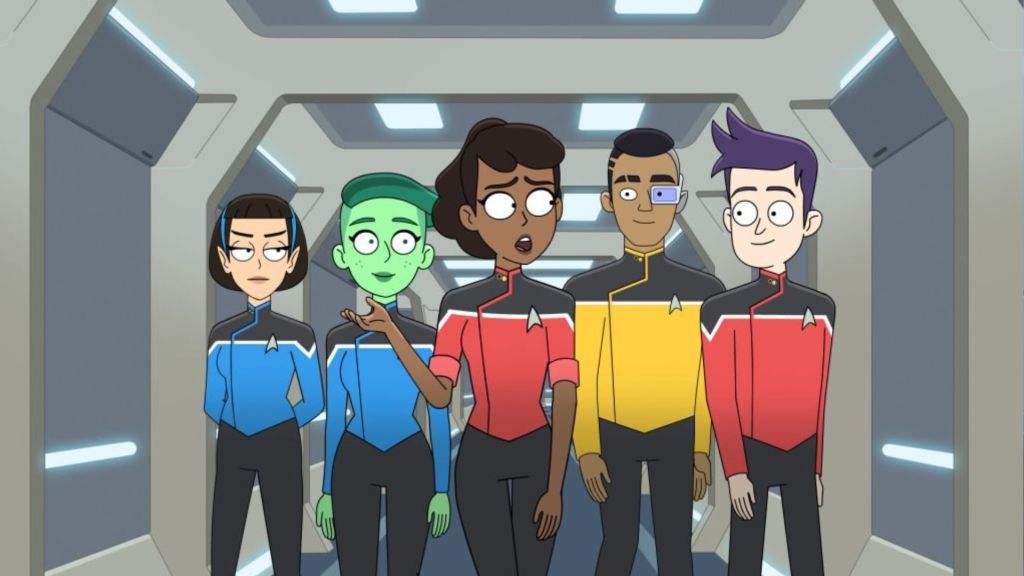
However, when Lower Decks premiered in 2020, the idea of an animated Star Trek comedy initially raised eyebrows. Created by Mike McMahan (of Rick and Morty), the series is about the support crew of the U.S.S. Cerritos, a California-class ship tasked with unglamorous second-contact missions. Thankfully, Lower Decks was able to prove itself more than a cheap or nostalgic parody. Like its predecessor, it takes the lives and ambitions of lower-ranking officers seriously, even as it delivers jokes. Ensigns Mariner, Boimler, Tendi, and Rutherford wrestle with careers, authority, and a life of service in Starfleet.
Critically, Lower Decks has become one of the most praised modern Star Trek series. It was admired for telling a fresh story while simultaneously pulling references from franchise favorites like TNG, DS9, and Voyager, rewarding superfans for their diligence over the years. Though no longer releasing new episodes, Lower Decks’ fantastic five-season run reminded fans that Trek still has plenty of fascinating stories to mine.
Is Lower Decks your favorite modern Trek series, or are you partial to another? Leave a comment below and join the conversation now in the ComicBook Forum!