
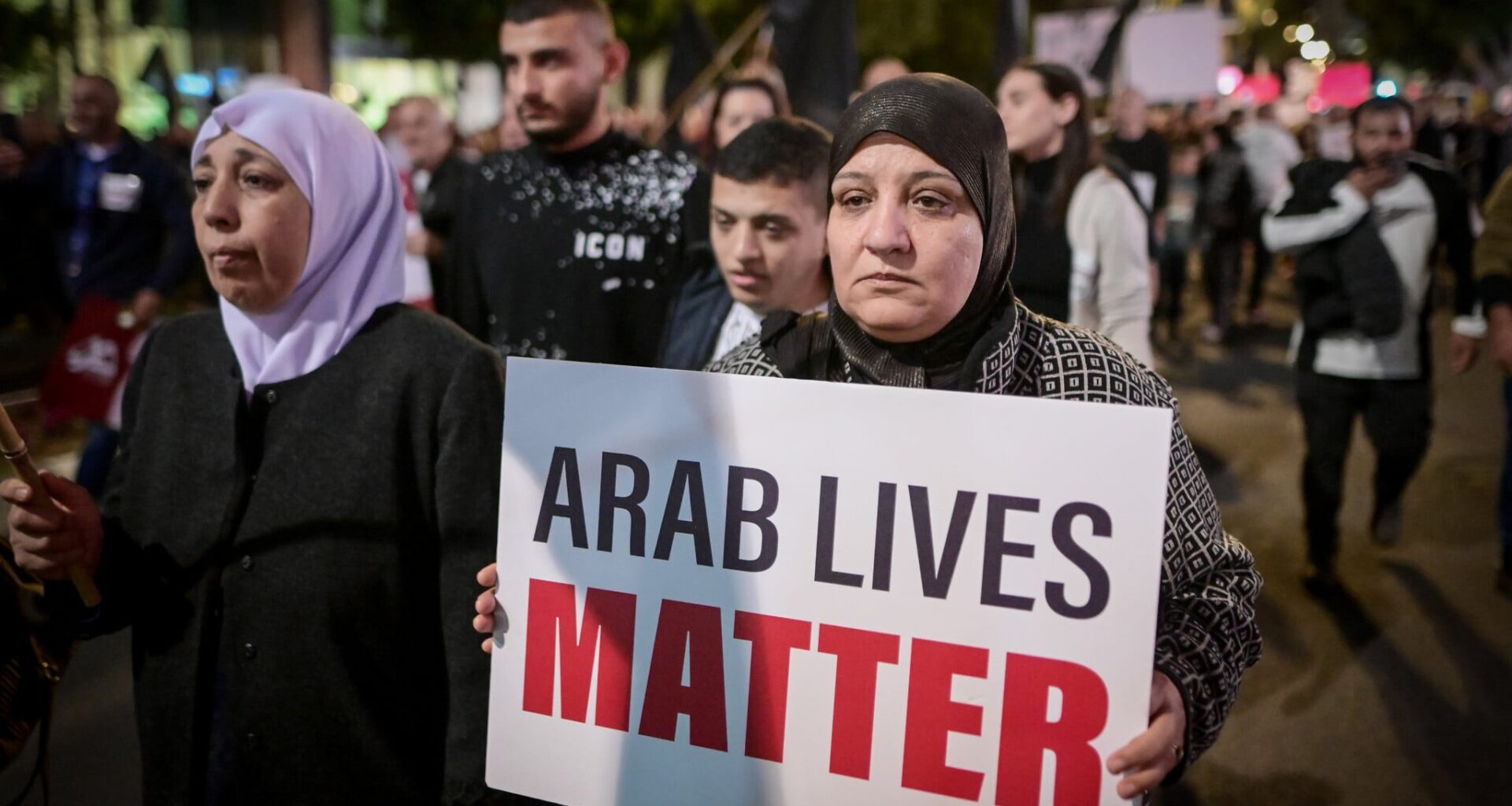
Traffic snarl-ups were expected on key roads on Sunday as the Arab community was set to protest against a wave of deadly crime by sending slow-moving convoys to Jerusalem.
The convoys from around the country were to converge on the government quarter in the capital, where a protest rally was to be held, amid accusations that authorities are not doing enough to stop the violence.
Rampant homicides, mostly related to warring crime groups, have seen 12 people killed over the past week, bringing the toll since the start of the year to 39. That compares to 30 killings during the same period last year, which itself ended with a record number of homicides in the Arab community at 252.
The proliferation of deadly crime has sparked protests in Arab cities and towns over the past few weeks, reaching a high point at the beginning of the month with a mass Arab-Jewish protest in Tel Aviv to demand the government rein in the violence. Some have blamed far-right National Security Minister Itamar Ben Gvir, who oversees police, for the worsening situation. Under his watch, deadly crime has reached unprecedented heights.
The convoys are being organized by the High Follow-Up Committee for the Arab Citizens of Israel, an umbrella group for the community.
Get The Times of Israel’s Daily Edition
by email and never miss our top stories
By signing up, you agree to the terms
A convoy set out from the northern Arab city of Shfaram at 9 a.m., and will head south along the coast, joining up with another convoy at the Caesarea Junction and then with a convoy from the south at the Latrun interchange, from where the combined convoy will head to Jerusalem, planning to arrive at the government quarter at around 1:30 p.m.
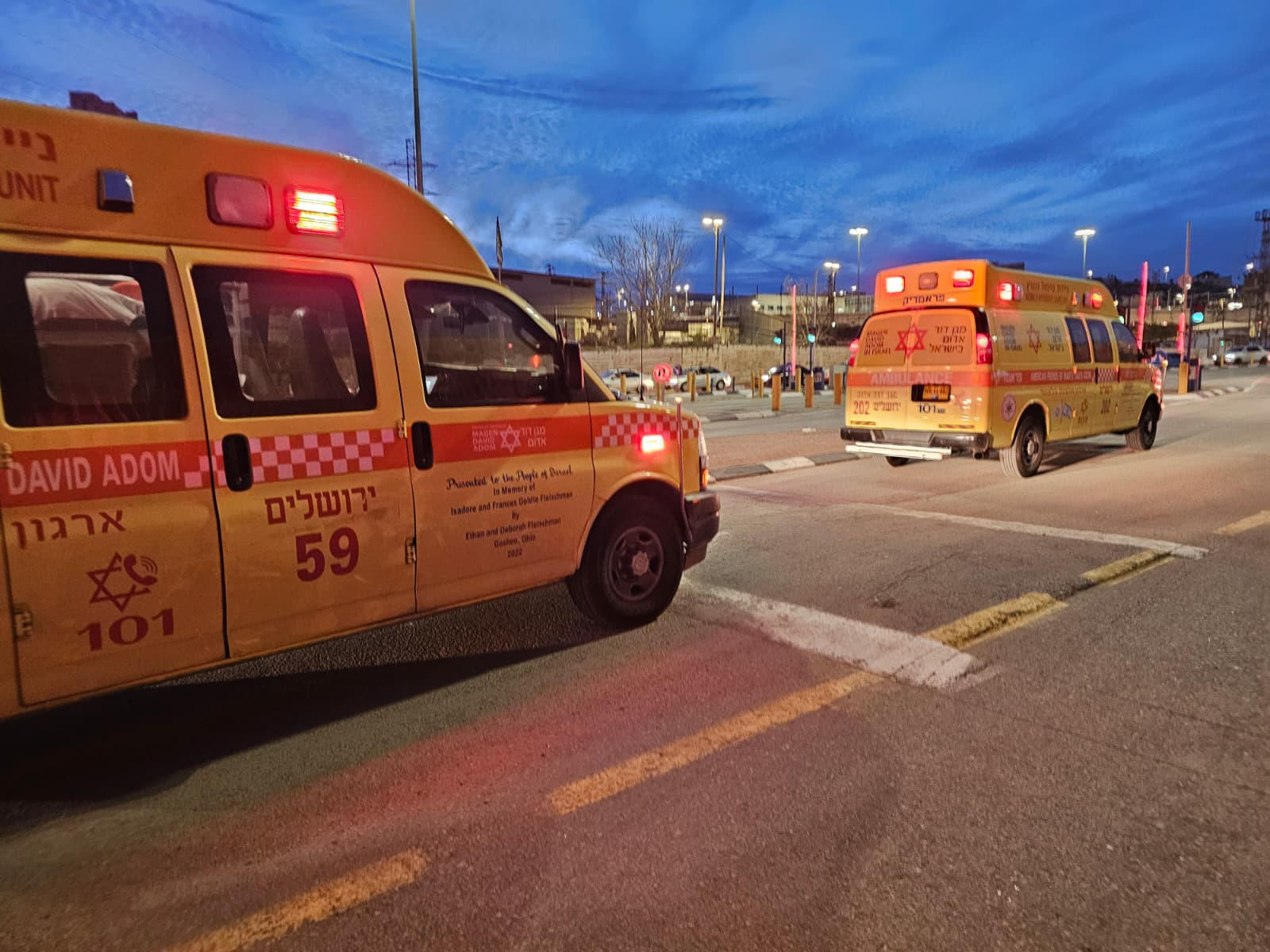
Magen David Adom paramedics arrive at the scene of a deadly shooting in East Jerusalem on February 5, 2026. (Magen David Adom)
Jamal Zahalka, who heads the High Follow-Up Committee, told the Walla outlet, “We want to voice a great cry of the grave distress felt by the Arab community. People are being murdered and injured every day.”
“Our whole community lives in fear of organized crime,” he said, blasting the government’s “abandonment,” which he alleged had created “a state within a state.”
In Jerusalem, Zahalka and the mayor of the Arab town of Sakhnin, Mazen Ghnaim, will read out a letter addressed to Prime Minister Benjamin Netanyahu about the matter, and plan to hand it to him personally before he leaves for Washington.
The committee said that if there is no change in government policy, next week it will call a general strike, including by workers in the health, transportation, and construction industries.
The Haaretz newspaper reported that in the coming days the committee will begin talks with organizations, workers committees, local authorities and other entities to seek the broadest possible participation in the strike and to protect the rights of those who participate, ensuring that they don’t face punishment or dismissal from employers.
According to the Ynet outlet, on Tuesday, activists from the Standing Together lobby group are planning to block junctions across the country and disrupt traffic.
Mohammad Nassar, from Tira, whose son was killed last week in a triple homicide, told Ynet, “There is no end to this crime that is snuffing out young people who have still not seen anything in their lives.” Blasting Ben Gvir, he said, “The very fact that he is keeping quiet shows the level of disregard for people’s lives.”

Arab-Israeli community leader Jamal Zahalka speaks at a protest against violence in the Arab community, in Tel Aviv on January 31, 2026. (Yonatan Sindel/Flash90)
Tofik Kassum, whose relative was gunned down last week, told Ynet, “We don’t want to lose people, we want to live our lives without danger… We are fed up.”
Last Thursday, three men all from the same family were shot and killed in northern Israel. Hours later, two men were shot dead in East Jerusalem’s Shuafat refugee camp
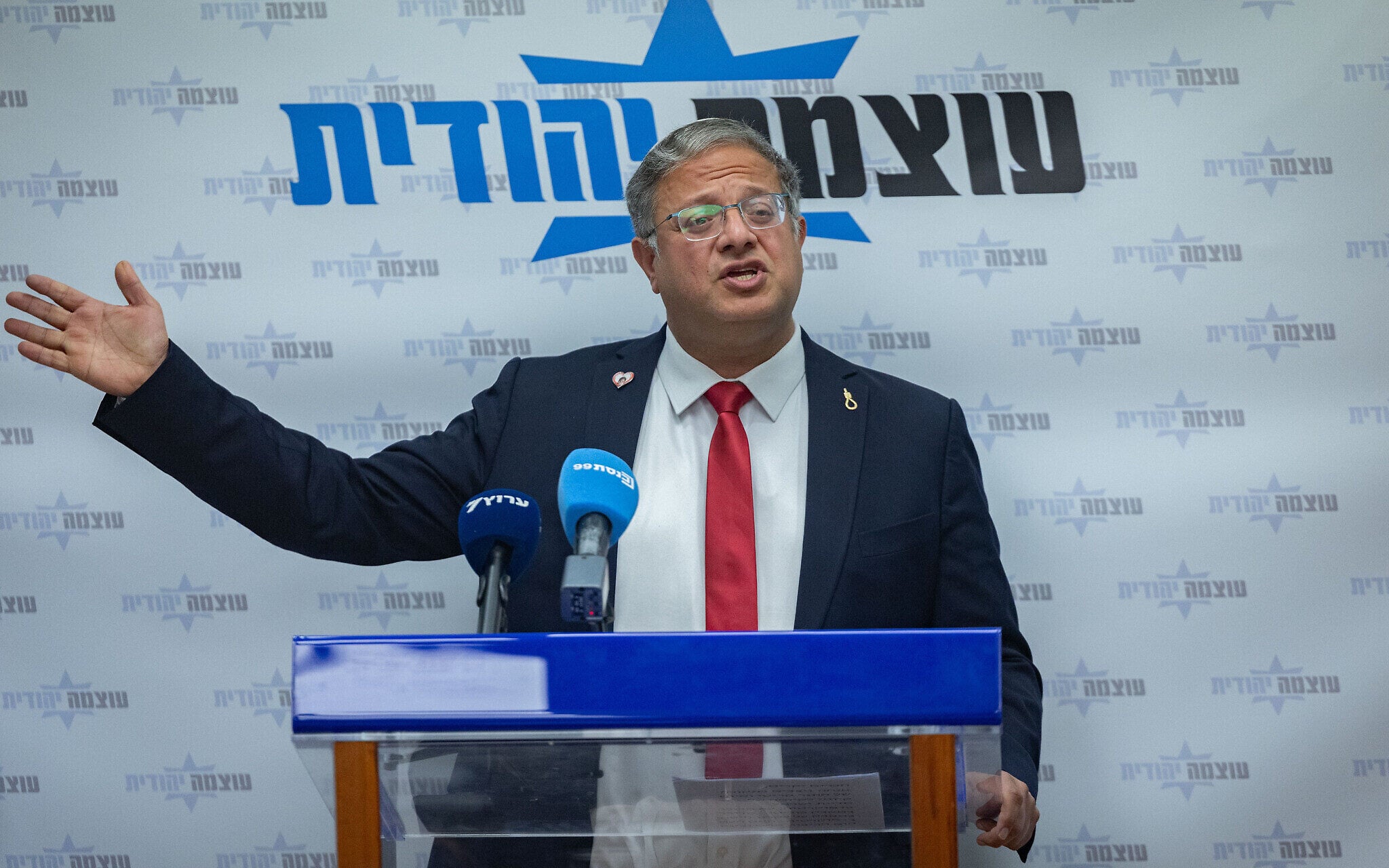
National Security Minister Itamar Ben Gvir leads a faction meeting of his Otzma Yehudit party at the Knesset in Jerusalem on December 12, 2025. (Yonatan Sindel/Flash90)
Violent killings have run rampant in Arab cities and towns over the past decade, but the issue worsened considerably in 2023 — Ben Gvir’s first year in office — when the number of murders jumped to 244, doubling the previous year’s figure of 116. It dipped slightly in 2024 before reaching new heights last year. The previous record high, set in 2022, was 126 murders.
Is accurate Israel coverage important to you?
If so, we have a request.
Every day during the past two years of war and rising global anti-Zionism and antisemitism, our journalists kept you abreast of the most important developments that merit your attention. Millions of people rely on ToI for fact-based coverage of Israel and the Jewish world.
We care about Israel – and we know you do too. So we have an ask for this new year of 2026: express your values by joining The Times of Israel Community, an exclusive group for readers like you who appreciate and financially support our work.
Already a member? Sign in to stop seeing this
You appreciate our journalism

You clearly find our careful reporting valuable, in a time when facts are often distorted and news coverage often lacks context.
Your support is essential to continue our work. We want to continue delivering the professional journalism you value, even as the demands on our newsroom have grown dramatically since October 7.
So today, please consider joining our reader support group, The Times of Israel Community. For as little as $6 a month you’ll become our partners while enjoying The Times of Israel AD-FREE, as well as accessing exclusive content available only to Times of Israel Community members.
Thank you,
David Horovitz, Founding Editor of The Times of Israel