
These days, the Walt Disney Company tends to enjoy very happy Christmases. “Avatar: Fire and Ash” recently sailed past the billion-dollar mark at the worldwide box office, following in the money-spinning footsteps of previous Yuletide smashes such as “The Way of Water” and a quartet of “Star Wars” adventures. Prior to the last decade, however, the studio didn’t always rule theaters over the festive season. In fact, in December 1979, it got its calculations quite spectacularly wrong.
In the late ’70s, two words loomed large on the minds of Hollywood executives: “star” and “wars”. George Lucas’s smash hit had been such a blockbusting success that everybody else wanted a piece of the space opera action, whether it was the disco-infused TV adventures of “Battlestar Galactica” or the Queen-soundtracked camp of “Flash Gordon”. It was also the perfect excuse for Paramount to bring Kirk, Spock and the crew out of retirement for “Star Trek: The Motion Picture”, though that film’s aspirations towards the cold, hard science fiction of Stanley Kubrick’s “2001: A Space Odyssey” suggested few involved had ever watched “Star Trek”, let alone “Star Wars”.
You may like
(Image credit: Disney)
The first ever Disney movie to earn a PG rating had seemingly been designed to baffle — and possibly even traumatize — the kids who’d adored Lucas’s galaxy far, far away. So what the hell was the House of Mouse thinking when it greenlit this space-set spin on “20,000 Leagues Under the Sea”?
The Disney of the late ’70s was a very different place from the modern-day multinational that can boast Marvel, Star Wars, Pixar, a streaming service, and numerous theme parks among its many assets. The company’s founder and namesake, Walt Disney, had died in December 1966, but his presence still loomed large over a studio that was seemingly second-guessing its every move.
This was far from a vintage era for the company’s famous animation wing (“The Aristocats”, “Robin Hood” and “The Rescuers” wouldn’t find their way into many lists of Disney’s best-ever), while the conveyor belt of family-friendly live-action movies was patchy at best. Management was also distracted by Walt’s dream of building the city of the future — EPCOT would eventually become a theme park attraction — and even passed on the chance to make the original “Star Wars”, a decision that would eventually cost the studio billions when it bought Lucasfilm nearly four decades later.
(Image credit: Disney)
The project that would become “The Black Hole” first came into the studio’s orbit in early 1974. Back then, it was known as “Space Station One” and — in tune with “The Towering Inferno”, “The Poseidon Adventure” and the disaster movies that were all the rage at the time — was originally envisioned as a family-themed movie about space colonists in extreme peril. But by the time cameras started rolling in October 1978 (with roughly double the budget of “A New Hope”), the black hole terrorizing the eponymous space station had been given title billing, and Disney — guided by Walt’s son-in-law, Ron Miller — had reshaped the story to capitalize on the latest craze dominating the box office. That was the theory, anyway…
Unfortunately, the screenplay wasn’t actually finished, and director Gary Nelson — who had prior Disney experience with the original “Freaky Friday” and “The Boy Who Talked to Badgers” — was so unimpressed he initially turned the project down. He was ultimately swayed by Peter Ellenshaw’s production paintings, and it’s easy to see why. While “The Black Hole” lacks the kinetic energy of dogfighting X-Wings and TIE Fighters, the USS Cygnus (the location for most of the action) is a truly beautiful creation; an elegant mass of glass and metal that wouldn’t look out of place if relocated to a major European capital.
Start “The Black Hole” playing on Disney+ and you’d be forgiven for thinking something’s gone wrong with your subscription. The film’s opening two minutes play out in complete blackness, a picture-less overture showcasing legendary James Bond composer John Barry’s majestic score. As well as making it clear we’re not in Kashyyyk anymore, it’s an unintentional but eloquent reminder that, if any film could have benefited from a “Star Wars”-style opening crawl, it’s this one.
(Image credit: Disney)
Indeed, beyond revealing that the crew of the USS Palomino are 547 days into their mission, the film isn’t over-fussed about explaining what they’re up to in deep space, or establishing any chemistry between the shipmates. Moments into the film, they discover the aforementioned USS Cygnus defying gravity in the proximity of a massive black hole, paving the way for all hell — perhaps literally — to break loose.
You may like
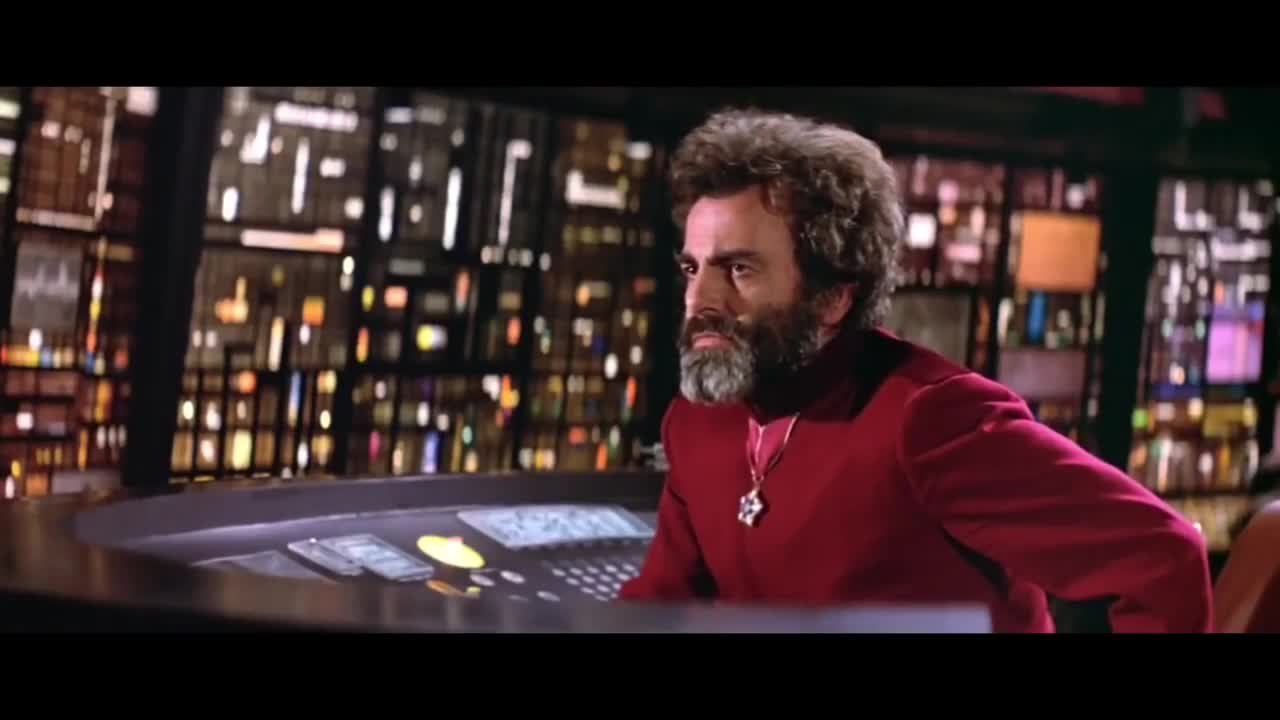
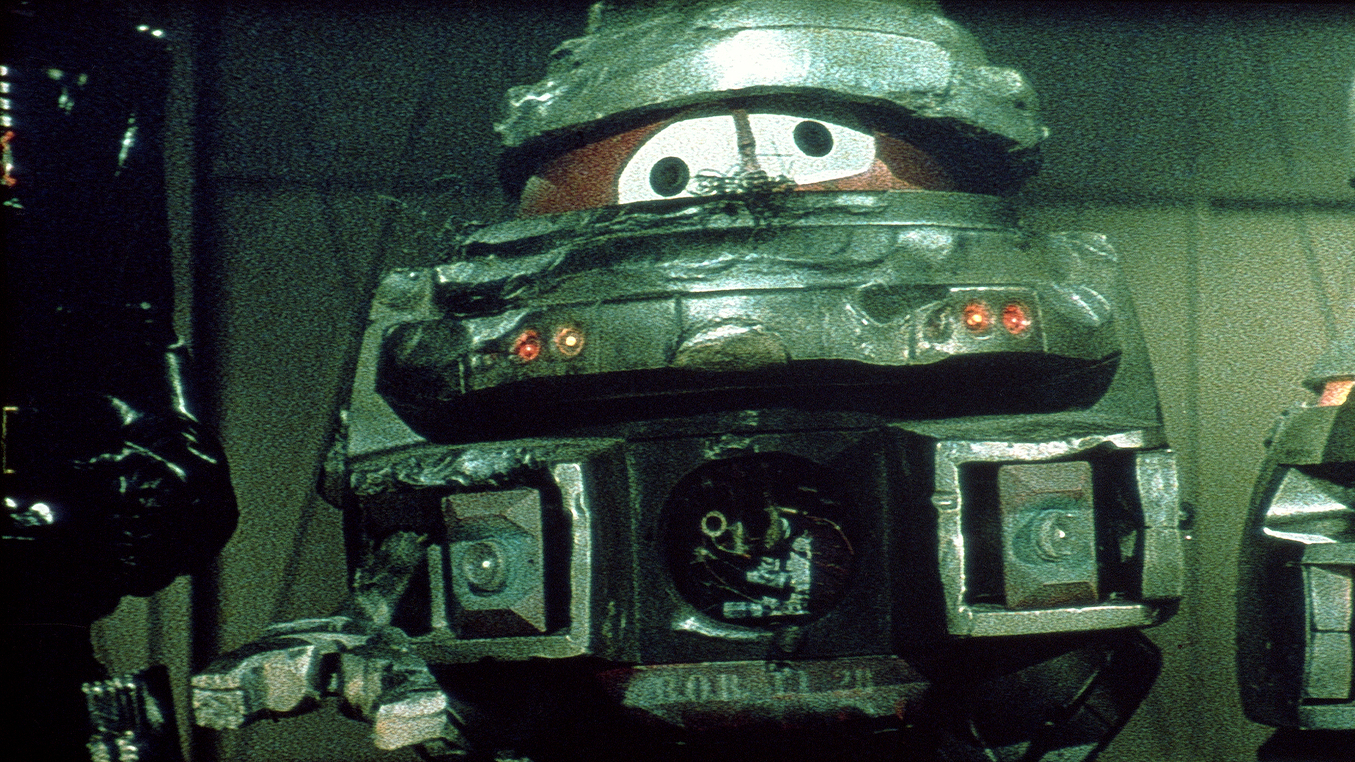
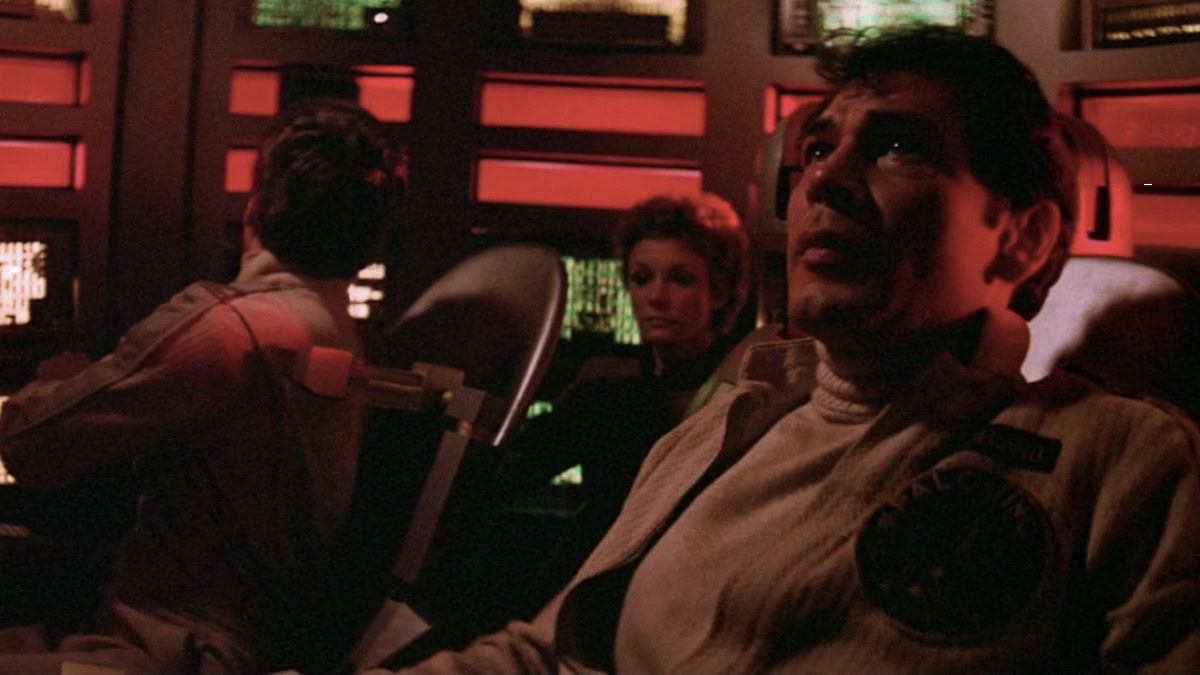
The group comprises Captain Dan Holland (Robert Forster, later of “Jackie Brown” fame), Dr Alex Durant (“Psycho”‘s Anthony Perkins), Lt Charlie Pizer (Joseph Bottoms), Dr Kate McCrae (Yvette Mimieux) and — in a particularly unconventional hire for a starship — resident journalist Harry Booth (“Marty” Oscar-winner and future “Airwolf” star Ernest Borgnine). They’re assisted by robot VINCENT (aka Vital Information Necessary CENTralized; worst acronym ever?), a hovering, jarringly cute hybrid of R2-D2 and C-3PO who talks with the voice of “Planet of the Apes” star Roddy McDowall, and shares a telepathic link with Dr McCrae.
In another universe, McCrae could have been played by Sigourney Weaver, but Disney’s head of casting believed her unusual name could make life awkward for the film’s marketing department. Weaver, of course, had the last laugh when “Alien“, released earlier in 1979, became a genre-redefining hit.
(Image credit: Disney)
Unsurprisingly, little is how it initially appears on board the Cygnus, a research vessel that went missing some 20 years earlier. Having stabilized his ship in orbit around the black hole, Dr Hans Reinhardt (a bizarre, OTT performance from Maximilian Schell) now plans to fly into it, assisted by an unquestioning crew of automatons with a very dark origin story. And then there’s Reinhardt’s sinister robot sidekick Maximilian, a silent, malevolent presence who has no qualms about slicing up humans with his Swiss Army Knife-esque collection of torture devices.
Maximilian — along with Reinhardt’s mindless zombies and hard sci-fi conversations about Einstein-Rosen bridges — seems to belong in a completely different movie from “The Black Hole”‘s gratuitous, sub-“Star Wars” laser fights, and an ageing robot named Old BOB (aka BiO-sanitation Battalion; yes, really). This veteran droid is an even more Disneyfied version of VINCENT, who talks — for some reason — with the voice of legendary screen cowboy Slim Pickens.
(Image credit: Disney)
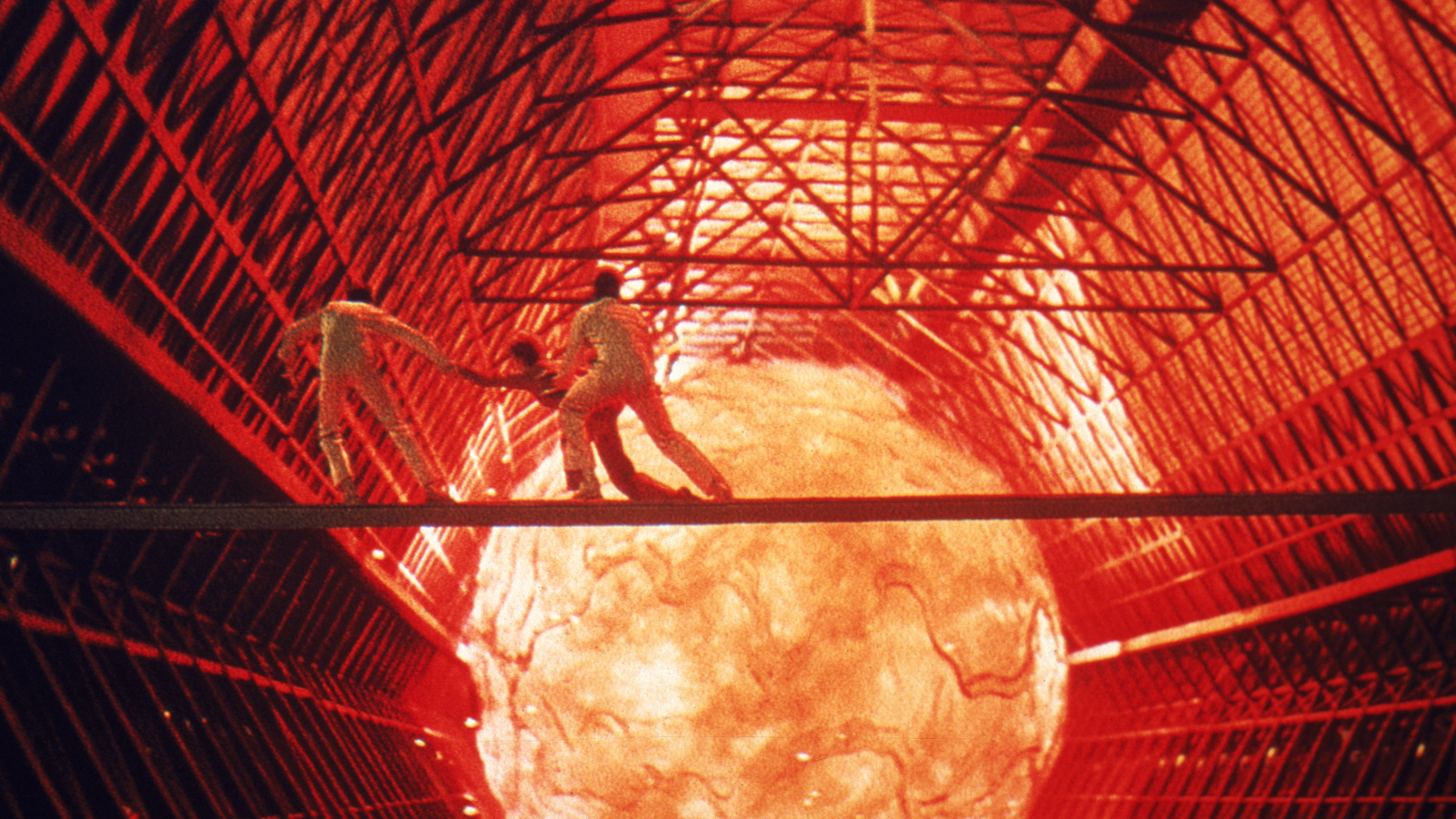
But nothing could have prepared viewers for the movie’s ending, as an unfinished screenplay became the stuff of nightmares — literally and figuratively.
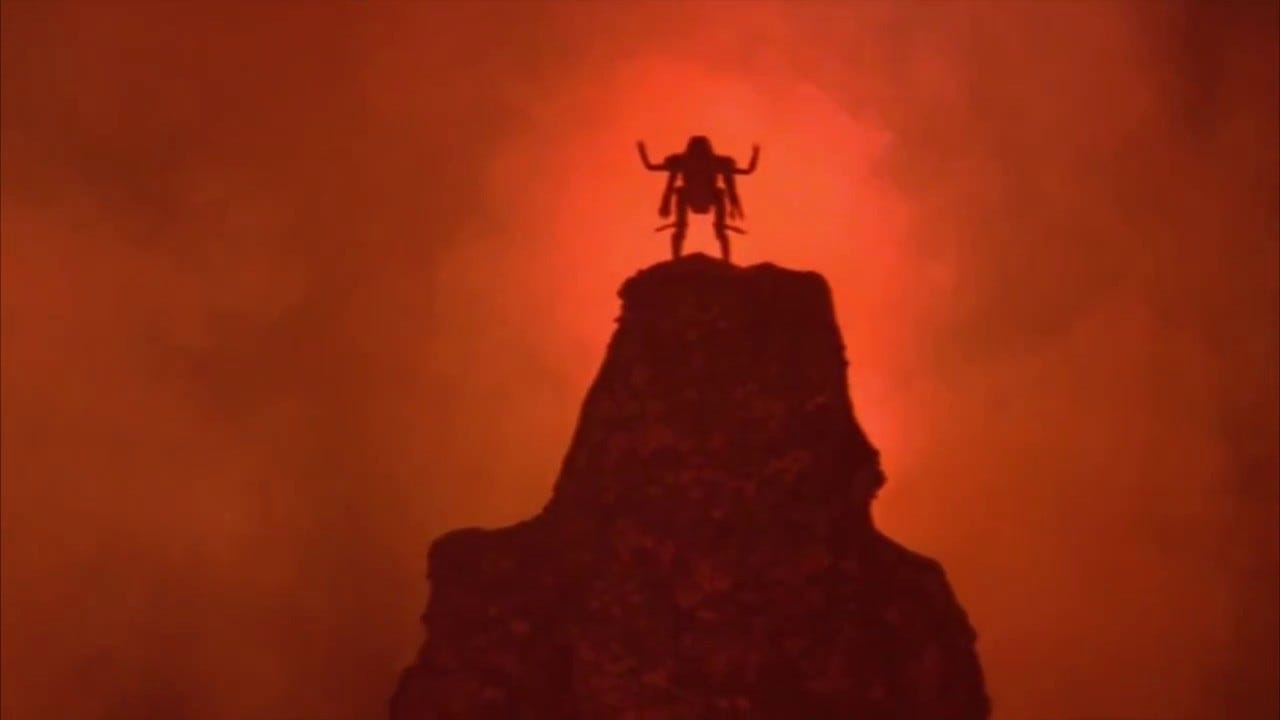
The shooting script ended with the Cygnus entering the black hole, but offered no instruction on what was to happen next. The sequence the filmmakers came up with has echoes of Dave Bowman’s famous star gate adventure in “2001”, but mostly it’s an extremely literal interpretation of heaven and hell, featuring angelic figures and the haunting image of Reinhardt trapped inside Maximilian, staring out across a world of fire and brimstone. Pizer’s earlier remark that, “Every time I see [a black hole] I expect to spot some guy in red with horns and a pitchfork,” may just have been on the money…
Unfortunately, nobody could say the same for film itself. Despite an extensive marketing campaign and its very own action figure range, “The Black Hole” failed to set the box office alight, earning less than “Star Trek: The Motion Picture”, and a tiny fraction of “Star Wars” record-breaking haul. Disney would eventually realize that the best way of making its own “Star Wars” movie was to buy the company, but — despite “Top Gun: Maverick” director sniffing around a remake in the early 2010s — it has never again dared to re-enter the Black Hole. Perhaps some curiosities of the cosmos are best left alone.
“The Black Hole” is available to stream on Disney+.