
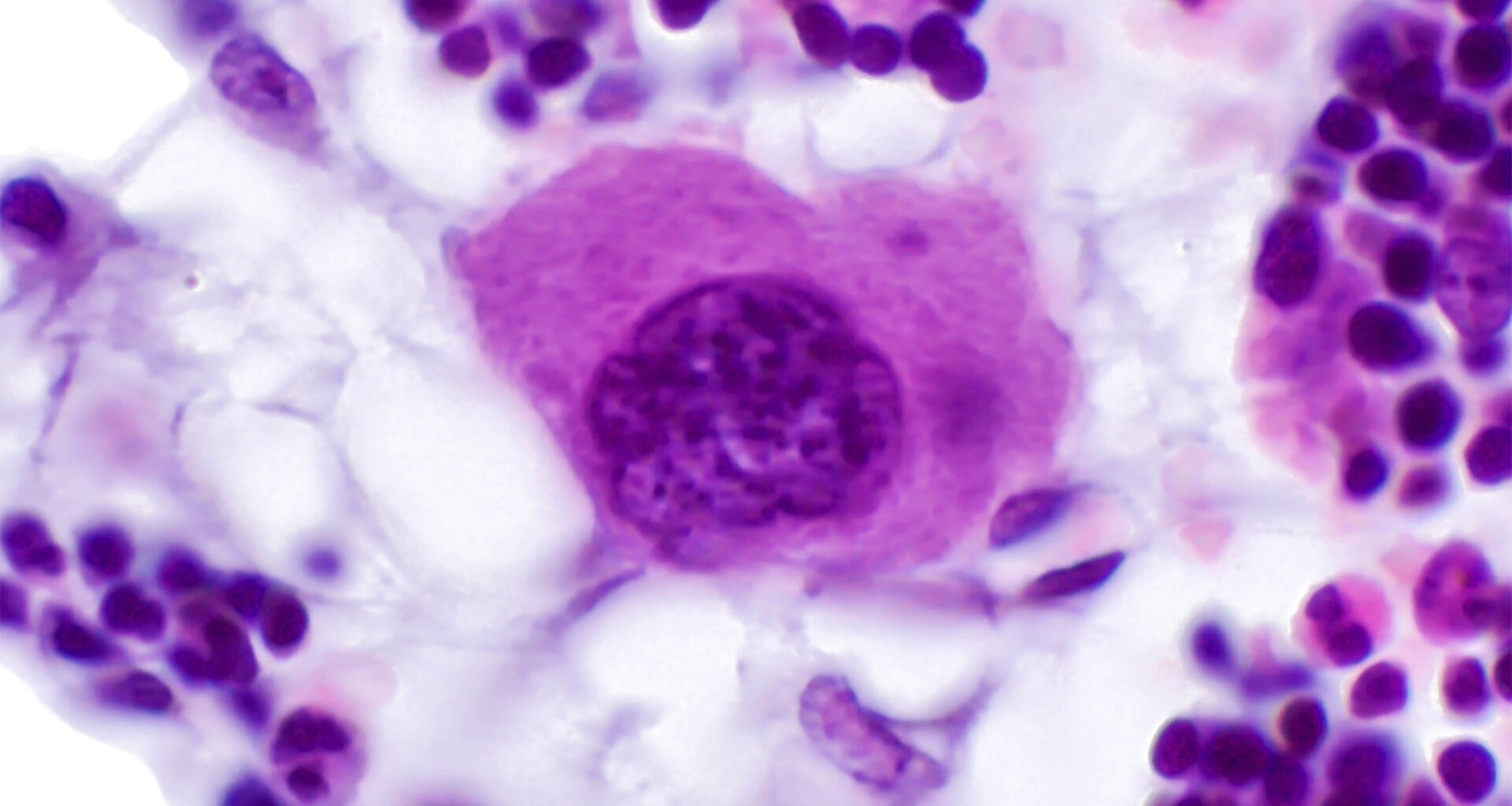
Researchers have pinpointed a pressure-sensing switch on bone marrow stem cells that turns movement into new bone growth.
By targeting the switch, future medicines could strengthen fragile bones in people whose illness keeps them from moving much.
Bones sense movement

Hidden in bone marrow, a force sensor now explains how a jog or a stair climb keeps skeletons sturdy.
At the University of Hong Kong (HKU), investigators in its medical faculty tracked the signal to a specific stem cell type.
Professor Xu Aimin, an endocrinologist at HKU’s LKS Faculty of Medicine, pressed for answers relevant to frail adults.
During movement, Piezo1, a pressure-sensing protein on cell membranes, opened on marrow stem cells, letting charged particles enter and guiding their fate.
How bones stay strong
Bones stayed alive by constantly rebuilding, even in adults who stopped growing many years ago.
Specialized osteoblasts, cells that build new bone tissue, laid down minerals after each bout of weight-bearing activity.
Other bone cells broke down older material, and the balance between the two jobs determined strength in the long run.
When a body stopped loading its skeleton, that balance tilted, and bone mineral density often dropped faster than people noticed.
Marrow shifts to fat
Inside many bones, marrow housed stem cells that could refill the bone-making workforce or stockpile fat.
Researchers called them mesenchymal stem cells, starter cells that can become bone or fat, and aging pushed their choices.
As those cells produced more marrow fat, the fatty pockets crowded the space where new bone normally formed.
That buildup made bones more porous over time and set up a harder problem for standard treatments.
Bone sensor guides cell fate
Removing Piezo1 from marrow stem cells in mice produced thinner, weaker bone and more marrow fat in parallel.
Treadmill training built bone in normal mice, yet those lacking the sensor missed most of that benefit.
In lab dishes, activating the protein in human marrow stem cells steered them toward bone-making cells and away from fat.
The result tied bone strength to sensing force at the cell surface, not just to muscles pulling on bone.
Inflammation weakens bones
Without the sensor, marrow stem cells started sending out signals that kept local inflammation running inside bone.
Their data traced the first push to Ccl2, a signaling protein that attracts immune cells to tissues.
A second molecule, lipocalin-2, an immune protein that changes cell behavior, rose next and encouraged fat-making programs.
By boosting those signals, Piezo1 loss made exercise less able to protect bone, even when animals still ran.
Blocking harmful signals
To prove cause and effect, the researchers blocked one of the runaway signals and watched the marrow regain balance.
Antibodies that neutralized lipocalin-2 lowered marrow fat in mice and raised markers of bone formation.
Another blockade aimed at the Ccl2 pathway reduced inflammatory messaging, which let more stem cells mature into bone builders.
Those experiments point to drug targets, yet they also warn that tampering with immune signals could bring side effects.
Drugs may mimic exercise
Drug developers now face a tempting idea: activate the same sensor, and bones might respond as if exercise happened.
A pill would need to nudge Piezo1 in marrow stem cells, which would start the same internal signals as loading.
“By activating the Piezo1 pathway, we can mimic the benefits of exercise, effectively tricking the body into thinking it is exercising, even in the absence of movement,” said Professor Xu Aimin.
Because Piezo1 also helped control blood vessels and other tissues, any exercise-mimicking drug would need careful targeting.
Bone loss without movement
People who spend weeks in bed or live with severe arthritis often lose bone faster than their calendars suggest.
One in three women and one in five men over 50 face fractures from osteoporosis, a condition where bones break more easily.
In Hong Kong, the primary care framework reported osteoporosis in 45% of women and 13% of men age 65 and older.
“Osteoporosis and age-related bone loss affect millions worldwide, often leaving elderly and bedridden patients vulnerable to fractures and loss of independence,” said Professor Xu Aimin.
Testing in humans
Turning a mouse result into a therapy means proving the sensor works safely in older adults with fragile bones.
Researchers will need to watch bone density, marrow fat, and fracture rates while also checking effects in heart and blood.
Because the channel shaped blood flow sensing, the safest approach may require bone-specific delivery or very low doses.
Even a successful drug would not replace weight-bearing movement, so patients would still need fall prevention and physical therapy plans.
New bone treatments
This work connects everyday forces to a molecular switch in marrow, showing how bones decide between rebuilding and fat storage.
If clinicians can target that switch safely, exercise-like treatments could help immobile patients while researchers test long-term effects.
The study is published in Signal Transduction and Targeted Therapy.
—–
Like what you read? Subscribe to our newsletter for engaging articles, exclusive content, and the latest updates.
Check us out on EarthSnap, a free app brought to you by Eric Ralls and Earth.com.
—–