
Arabic version: أثر أعمال إسرائيل في غزة على الديناميات الشرق أوسطية
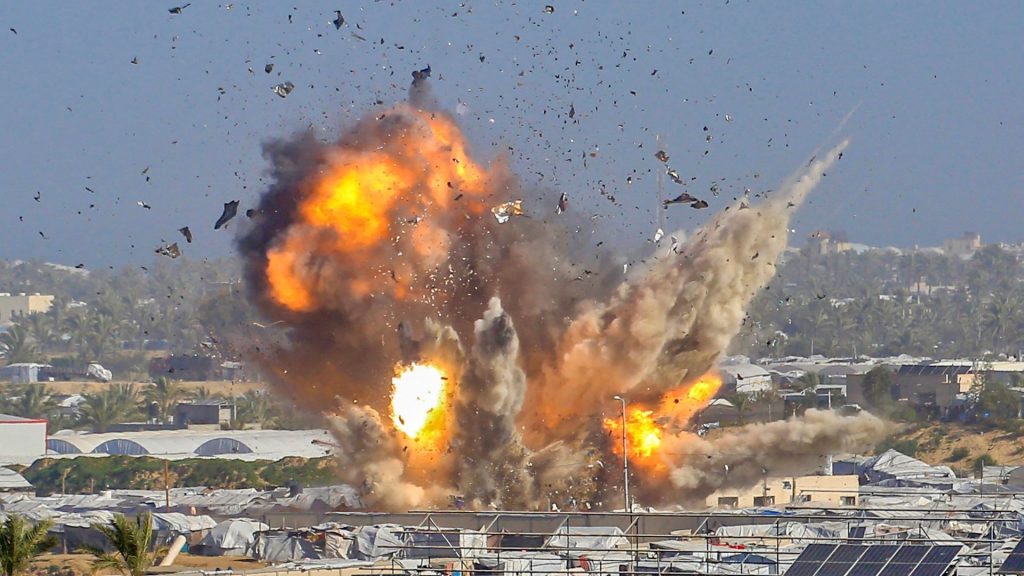
The ongoing conflict between Israel and Gaza has significantly altered the geopolitical landscape of the Middle East. As violence escalates and casualties mount, the implications of Israel’s military operations are being scrutinized not only for their humanitarian impact but also for their influence on regional politics and alliances. Experts argue that Israel’s actions are reshaping the perception of its role in the region, fostering a wave of solidarity among Arab nations and increasing anti-Israel sentiments. This shift is evidenced by public protests, heightened rhetoric from regional leaders, and a renewed focus on Palestinian rights. Moreover, the conflict has reignited discussions about the normalization of relations between Israel and Arab states, initially set in motion by the Abraham Accords. While some nations continue to maintain diplomatic ties, others are reassessing their relationships with Israel in light of the humanitarian crisis in Gaza. The situation has also prompted calls for a more unified Arab stance towards the Palestinian cause, with leaders advocating for increased support and intervention. The humanitarian toll of the conflict has resonated globally, leading to widespread condemnation of Israel’s military tactics and an international outcry for ceasefire and peace negotiations. As the conflict endures, its repercussions will likely extend beyond immediate borders, influencing global political alignments and the future of peace efforts in the region. The evolving dynamics underscore the complexity of Middle Eastern politics, where historical grievances, national interests, and public sentiment converge, creating a volatile environment that challenges traditional diplomatic frameworks.