
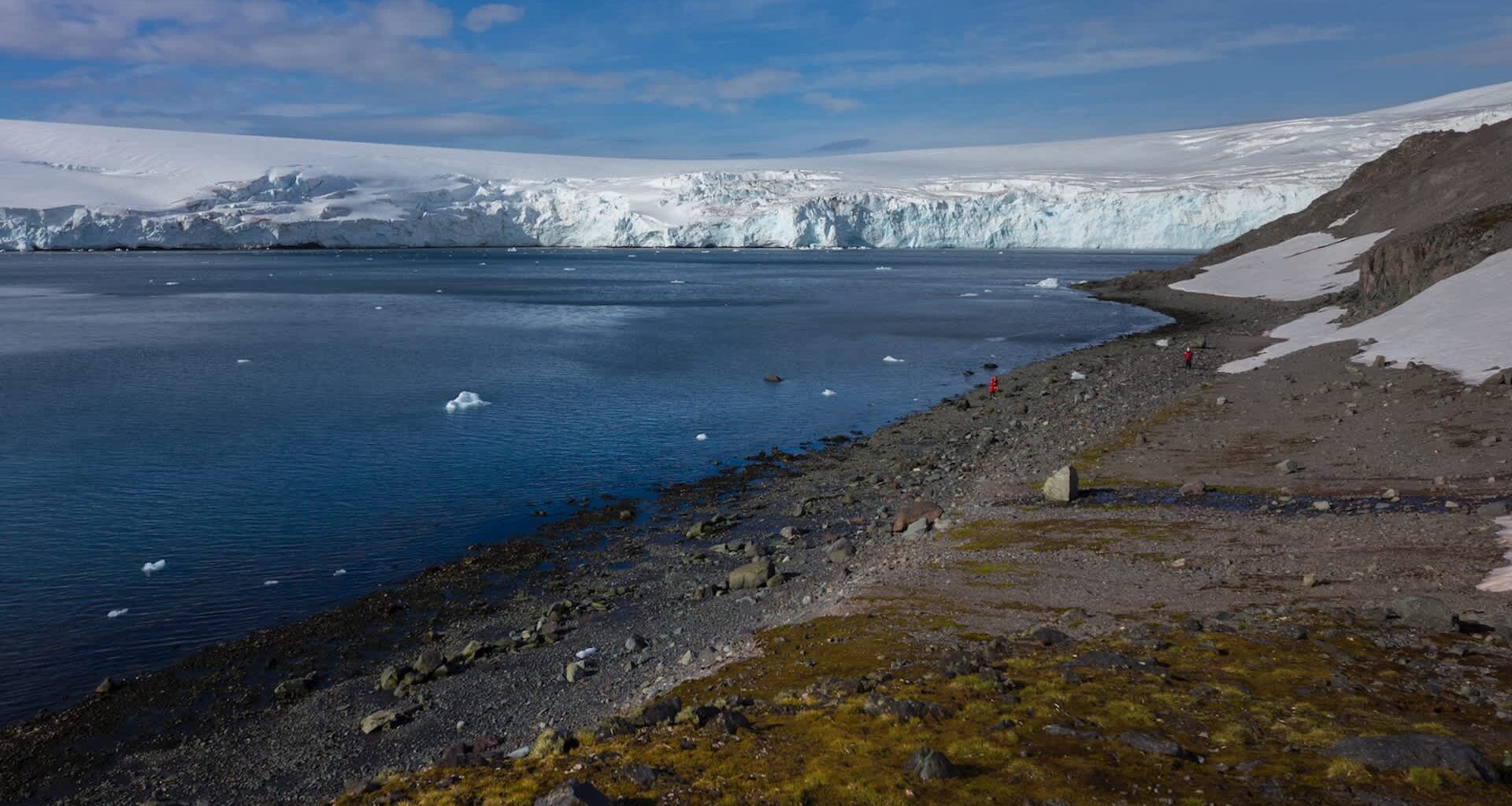
With Antarctica added to the list, the bird flu has officially wreaked havoc on every continent but Oceania. That disturbing news was confirmed by a recent study led by Erasmus MC in the Netherlands and the University of California, Davis.
What’s happening?
A team of researchers conclusively showed that over 50 skuas in Antarctica died off during the 2023 and 2024 summers due to the highly pathogenic avian influenza virus H5N1. They published the study in the Scientific Reports journal and contextualized its findings in a news release.
Skuas are gull relatives and play an important role in frigid environments. They act as scavengers in the ecosystem, meaning that contagious skuas could spread bird flu far and wide.
During an expedition to the South Shetland Islands, the northern Weddell Sea, and the Antarctic Peninsula, the team tested wildlife samples, confirming H5N1 at all sites. While the bird flu had previously been detected there, this study was the first to confirm the virus as the animals’ cause of death.
While other animals, like fur seals, had the virus, their deaths weren’t chalked up to it.
“As the expedition progressed, it became obvious quickly that skuas were a major victim,” said UC Davis’ co-senior author Ralph Vanstreels.
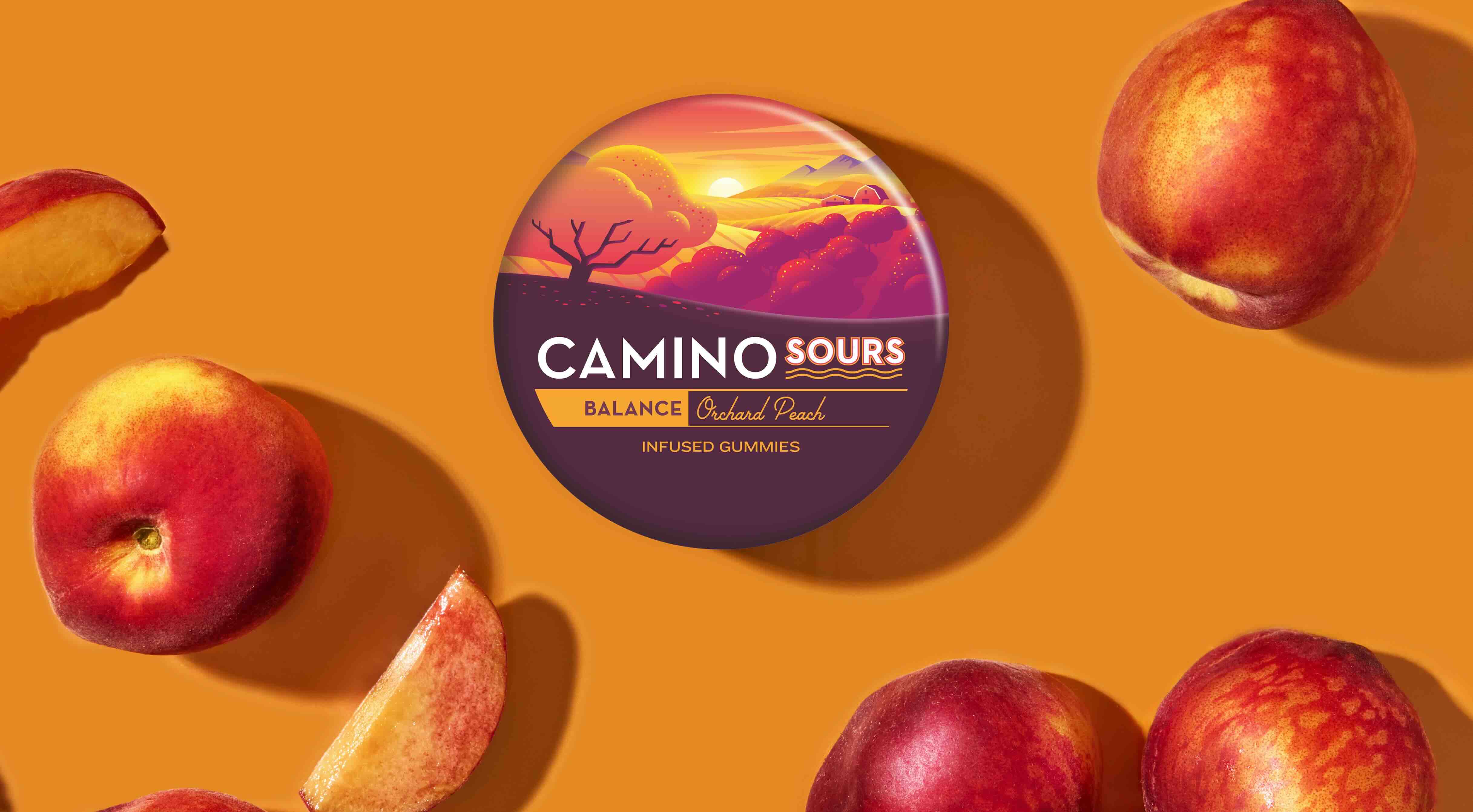
Camino’s hemp-derived gummies naturally support balance and recovery without disrupting your routine, so you can enjoy reliable, consistent dosing without guesswork or habit-forming ingredients.
Flavors like sparkling pear for social events and tropical-burst for recovery deliver a sophisticated, elevated taste experience — and orchard peach for balance offers everyday support for managing stress while staying clear-headed and elevated.
Vanstreels painted a morbid picture of a “crisis in animal suffering” with the virus causing birds to fall out of the air, swim, and walk aimlessly as the virus attacks their brains.
Why is the bird flu’s spread important?
H5N1 was first identified on a Chinese goose farm in 1996 and has since spread globally in a pattern that troubles the researchers.
“We let the virus slip out through our fingers when it first emerged in the poultry industry,” said corresponding senior author Thijs Kuiken of Erasmus MC. “Once it got into wild bird populations, we lost ability to control this virus.”
Bird flu has now hit nearly every corner of the globe with detrimental effects. In the U.S., mega-farms have been exposed to it, with impacts affecting humans and animals alike. The virus is showing itself to be very adaptive and able to change when its host is a human or cattle.
There are also concerns that cats could spread the virus to humans on a large scale.
Closer to the study, a decimation of the skua population could spell more trouble for the already threatened Antarctica region. There are concerns that it might infect penguins in the future.
What’s being done about bird flu in Antarctica?
The researchers called for enhanced global surveillance and preventive measures to better track avian flu in Antarctica.
“Everything points toward this virus spreading further,” Kuiken concluded. “If nobody is watching, we won’t know what is happening.”
Get TCD’s free newsletters for easy tips to save more, waste less, and make smarter choices — and earn up to $5,000 toward clean upgrades in TCD’s exclusive Rewards Club.
