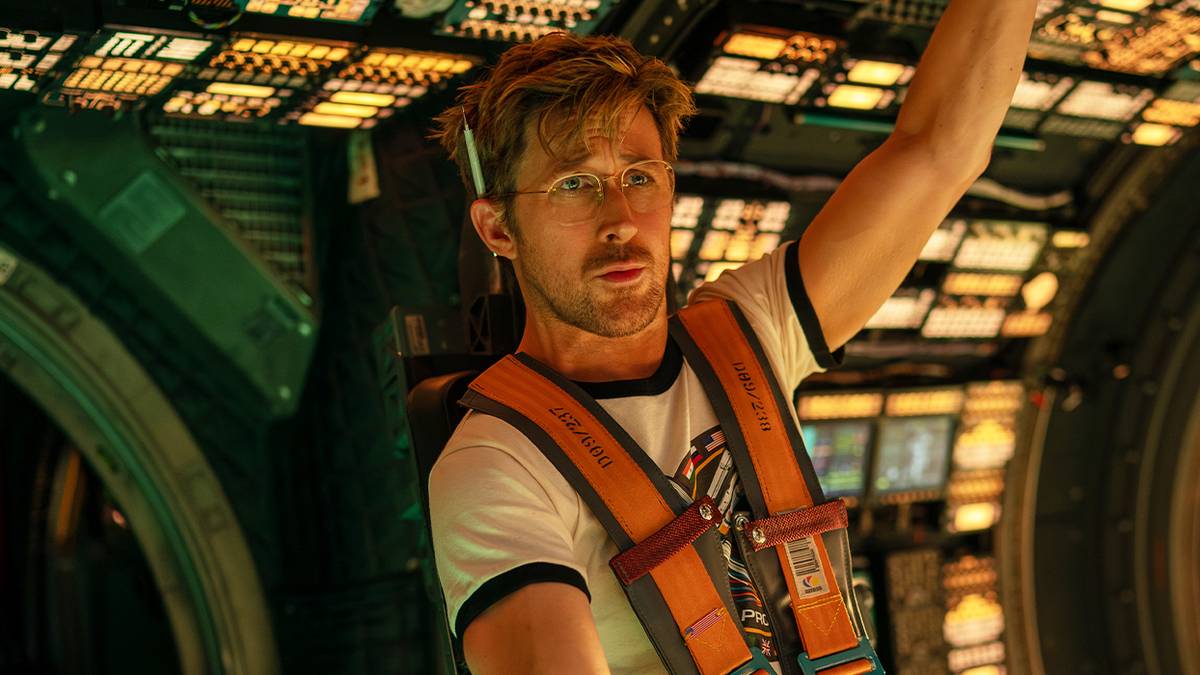
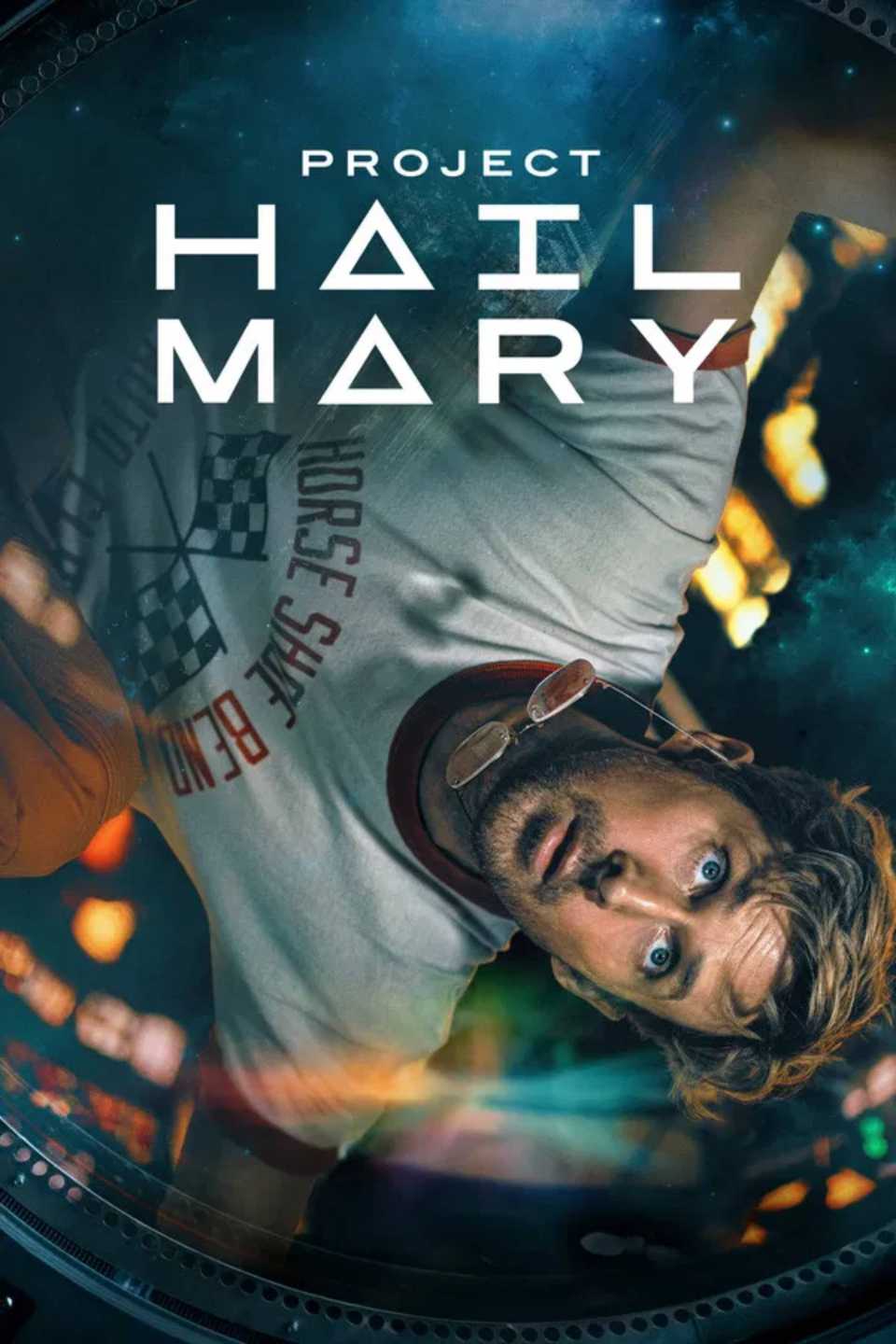
Ryan Gosling’s characters have taken him to many different places over the years — his Oscar-nominated roles alone have seen him go from La La Land to Barbieland — but in Project Hail Mary, he’s going to a part of space that no man has ever gone before. The film sees him playing Ryland Grace, a middle school science teacher who gets talked into becoming an astronaut, traveling 11.9 light-years away in the hopes that his molecular biology expertise can save the world from a catastrophic global ice age.
Collider was lucky enough to be invited to the IMAX Headquarters in Los Angeles to see a special preview footage presentation, where we got to view around 30 minutes of the film and participate in a Q&A with directors Christopher Miller and Phil Lord. I’ve never read Andy Weir’s book on which the film is based, so I went in without knowing much, but after seeing what I did, Project Hail Mary skyrocketed to one of my most anticipated films of the year. The plot feels fresh, the theme is more relevant than ever, and the visuals are truly breathtaking — and that’s not even mentioning the moving emotional beats and genuinely hilarious comedy.
Miller and Lord are quick to clarify that this isn’t a space movie — it’s a relationship movie — and that shines through, with the characters and their dynamics developed and authentic. This is a film that defies one genre, and after getting a sample of the scenes, I have a feeling it’s going to defy sky-high (pun intended) expectations, too. Here are six things we learned during the event to get you excited before the film comes out in theaters on March 20th.
6
NASA Praised ‘Project Hail Mary’s Accuracy
Lots of space films are fun, but not many of them are known for their scientific accuracy. Project Hail Mary, however, was a stickler for the details and making sure everything was as real as possible — so much so that they were praised by NASA for how well they depicted the experience of being in space. “[They] came to set and [were] like: You guys are the first people to get what it feels like to be in zero-g.” Part of that is due to the performance and input of Gosling, who wanted to highlight the fact that Grace doesn’t have previous astronaut experience. “He’s like, ‘I’m a microbial scientist. I’m good at that. I’m bad at space.’” Because of that, he is clumsy in zero gravity and gets sick to his stomach in the strange environment.
This commitment to precision can be seen down to the tiniest details. Those equations you’ll find on the chalkboards behind Grace in various scenes? Those aren’t just random numbers — they’re mathematically correct calculations done by author and producer Andy Weir. By working closely with various consultants and experts in the scientific fields depicted in the movie, Project Hail Mary acts as a surprisingly realistic representation of the STEM fields it showcases.
5
‘Project Hail Mary’s Directors Were Dedicated to Practical Effects
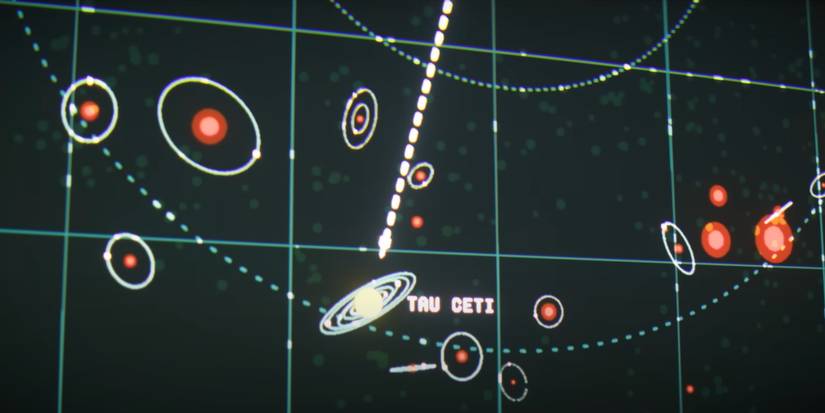
A star map showing the Tau Ceti star system in Project Hail MaryImage via Amazon MGM
The production team collaborated with artists as well as scientists, particularly when it came to the design of Rocky, a rock-like alien who becomes Grace’s ally and companion during his mission. His design is simply magnificent, especially when it comes to the beautiful jewels adorning parts of his body. His movement is also impressive, reminiscent of a crab when he’s walking around freely and a hamster rolling in a ball when he’s in the device that helps breathe in Grace’s atmosphere.
In an age of so much CGI and VFX, Miller and Lord were adamant about doing as much practically as possible, with Rocky a combination of puppetry and animation. It was a labor of love that certainly paid off. Another refreshing fact is that they hired puppeteer and theater performer James Ortiz to be Rocky’s voice in addition to operating the puppet. Though the directing duo said they thought about casting a well-known star in that role, they found Ortiz to be the perfect fit for both.
4
The Space and Earth Scenes Will Look Very Different
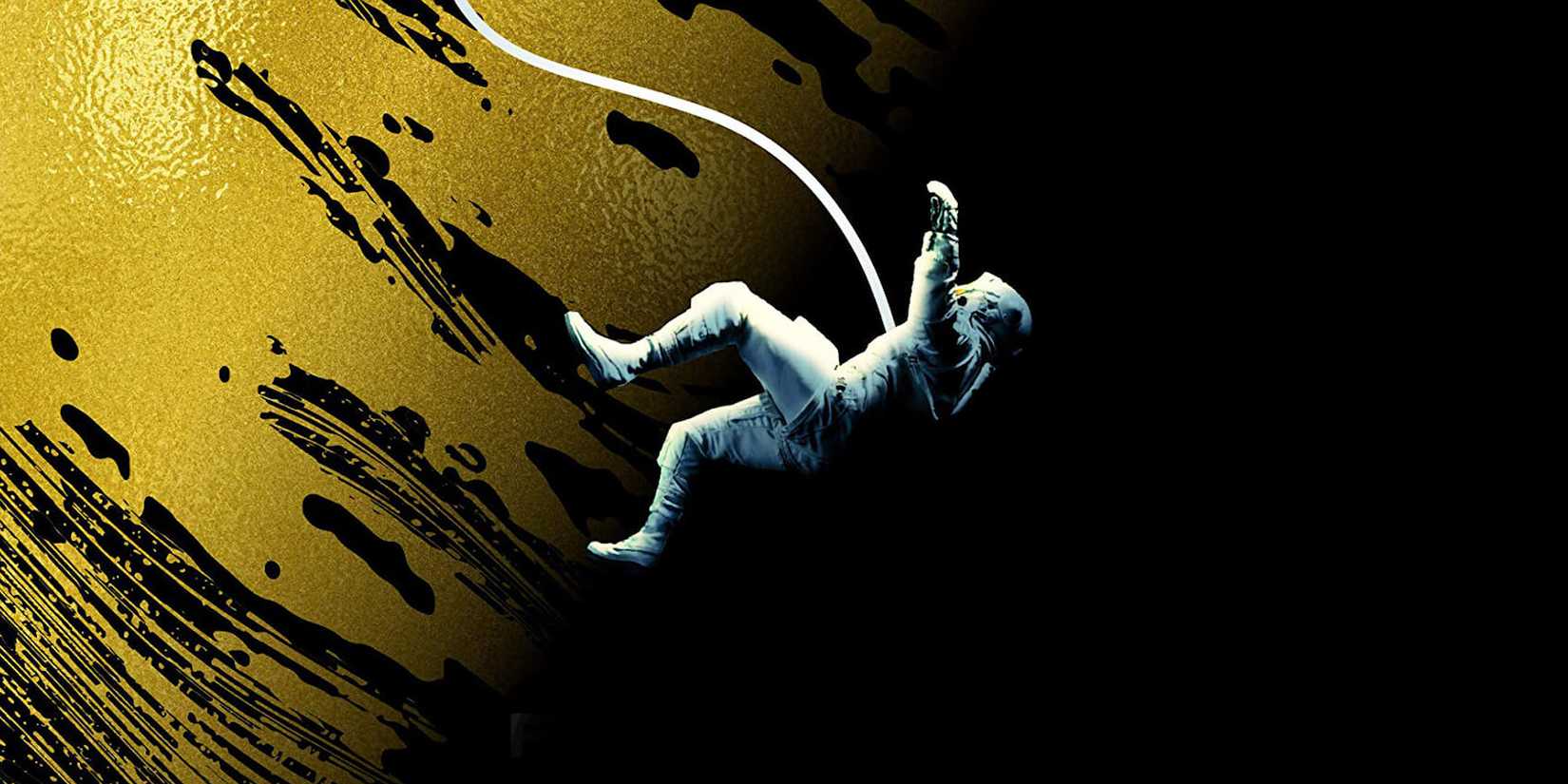
Project Hail Mary book cover, an astronaut falling through spaceImage by Will Staehle
The cinematography and aesthetic are obviously huge parts of the massive hype behind Project Hail Mary. Miller and Lord were well aware of that and took great care when developing the visual language. They knew they wanted the scenes set on Earth to feel idealized and small-scale, deciding on a standard 2.39:1 aspect ratio for that timeline.
Space, however, needed a grander, grittier look, which is why it was shot in IMAX 1.43:1 (yes, they will be striking IMAX prints), and the same film-out process that was used on Batman and Dune was utilized to give it a textured feel. Miller and Lord make the distinction that the movie is “beautiful, but not pretty,” emphasizing how messy space is, which is why they often kept glass and wires in the frame when Grace was on the ship. “Part of the realism was not making space slick…we didn’t want it to feel like an Apple store,” they joke, taking the analogy a step further by adding that the film is “not a Mac — it’s a PC. You could take it apart.”
Other unique techniques you can look forward to are getting to jump into Rocky’s perspective and see how he hears using echolocation and scenes that employ infrared photography, which paint the frame an eerie pink color.
3
‘Project Hail Mary’ Is a “Hopeful” Tale of “Collaboration and Cooperation”

A rocky hand reaches out to grap an object held by a human hand in Project Hail MaryImage via Amazon MGM
Miller and Lord say that, while there are many obstacles and differences of opinion in the film, there’s not a lot of traditional conflict, and something that drew them to the story was the lack of violence and weaponry. Rather, this is a film that shows competent people doing their jobs well — something audiences have proven time and time again they like to see, despite studios usually being reluctant to invest in it.
Though we only got a handful of short scenes with the sneak peek footage, three strong dynamics emerged right off the bat. In addition to the odd-couple, buddy-comedy shenanigans of Grace and Rocky working together in space, back on Earth, Grace also has a fun dynamic with Carl (Lionel Boyce), the secret service agent assigned to babysit him while he’s conducting his experiments. Perhaps the most compelling relationship of all is between Grace and Eva Stratt, the woman in charge of Project Hail Mary. Played by Oscar nominee Sandra Hüller, the two trade irresistible banter. Miller and Lord tease that this role allows her to show her immense range — and that they rewrote a karaoke scene solely so she could show off her impressive vocal chops.
2
‘Project Hail Mary’s Composer Thought Outside the Box To Make the Movie Sound Out of This World
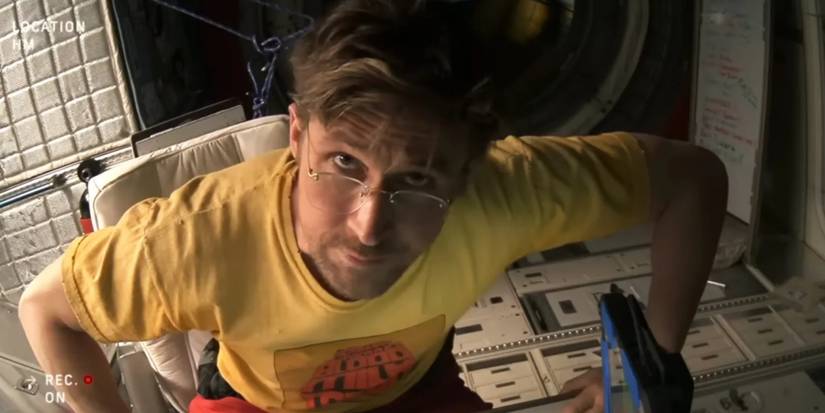
Ryalnd Grace (Ryan Gosling) leans into his console aboard a spaceship facing the camera in Project Hail MaryImage via Amazon MGM
The score already stood out among the few scenes we were treated to, which should come as no surprise considering it was composed by their frequent collaborator Daniel Pemberton, who worked on everything from the Spider-Verse movies to A24’s upcoming film The Drama and is Oscar-nominated for his work on The Trial of the Chicago 7. Pemberton wanted a sense of “optimism and magic” to be conveyed through the sound, which he achieved by using obscure instruments from all around the world, including a glass harmonica.
Though Grace is alone for large portions of the film, isolated up in space, the whole world is rooting for him to be successful in his mission, and Pemberton wanted the score to reflect that. He used lots of choir vocals and even the sound of children stomping and clapping for the percussion to imbue a sense of community. Pemberton also gave Gosling some of the song sketches to listen to on set. “Ryan likes performing with music sometimes,” Lord reveals, “so we had Daniel compose things. We’d put them in all of our ears and watch the scene play out like we’re hearing the score.”
1
From ‘70s Movies to 19th-Century Painters, Here Are All the Inspirations for ‘Project Hail Mary’

Ryan Gosling in Project Hail MaryImage via Amazon MGM
Don’t get me wrong, Project Hail Mary is singular. But that doesn’t mean I wasn’t reminded of some other great films. The Martian is, of course, an obvious comp, considering it has the same author. There are similar plot threads to classics like Interstellar and Gravity, as well as Passenger (though without the problematic elements that made that one so controversial). The film that feels the most similar, however, might just be Arrival, particularly since the scenes we were shown saw Grace and Rocky develop a communication system, first with adorable origami-like shapes.
Miller and Lord share that they were inspired by Alien, particularly the warmth and texture with which Ridley Scott painted space. As an art history major, Lord was also inspired by literal paintings: namely, the works of 19th-century artist Albert Bierstadt, who focused on depicting the American West. Fitting, as Lord reminds us that space movies are like Westerns in many ways, with their focus on exploration, saying, “You’re out on the frontier. You’re out looking beyond any place that anyone has been.”
Even with all of these influences, Project Hail Mary is sure to be unlike anything you’ve ever seen. From the focus on scientific accuracy to practical effects, the attention to detail was second-to-none from pre-production to post. I don’t know about you, but I could certainly use more films that highlight the good that can come from working together and having a positive attitude. This one seems like it’s going to fit the bill — and make viewers both laugh and cry in the process.
Project Hail Mary is in theaters March 20th,
Release Date
March 20, 2026
Runtime
156 Minutes
Director
Christopher Miller, Phil Lord


Sandra Hüller
Eva Stratt

Milana Vayntrub
Olesya Ilyukhina