
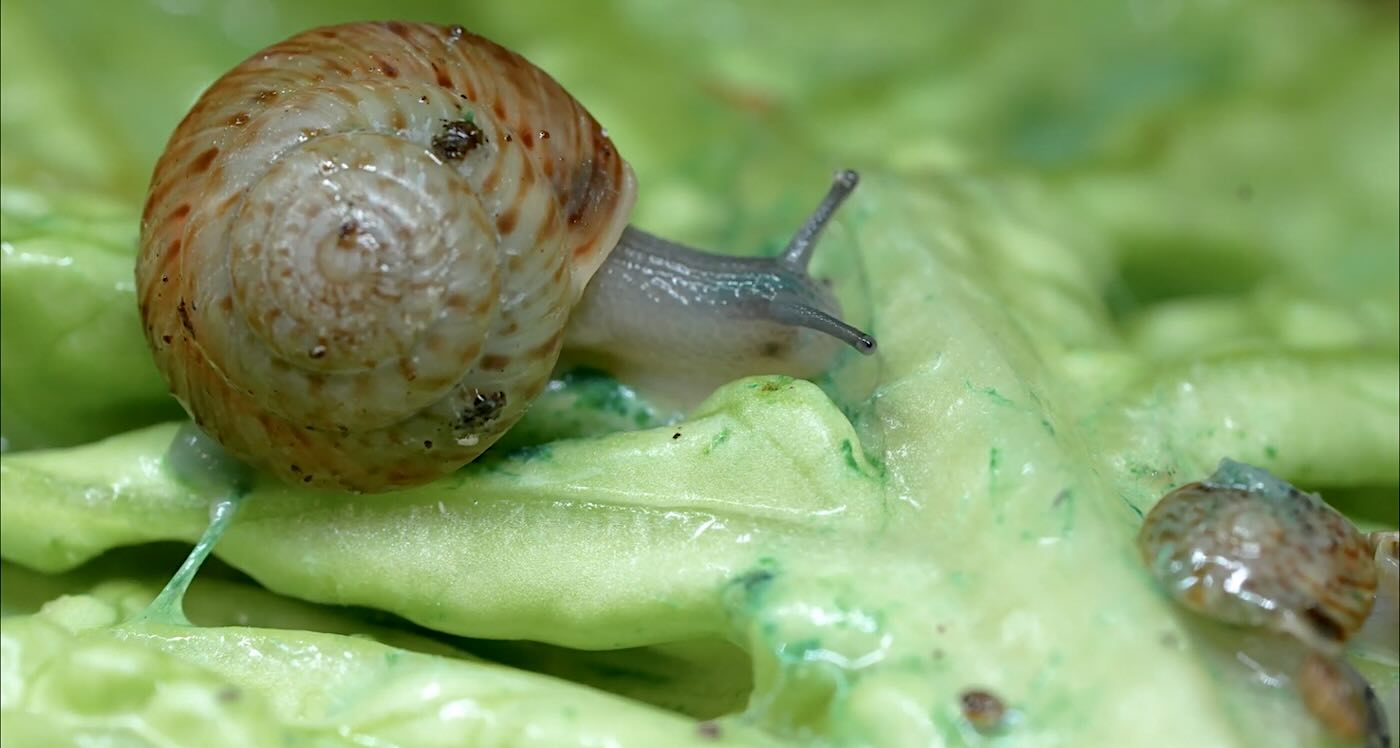
 Chester Zoo saves Bermuda snail (Poecilozonites bermudensis) from extinction
A button-sized snail once thought extinct has been officially saved after conservationists bred and released more than 100,000 into the wild.
The greater Bermuda snail (Poecilozonites bermudensis) was believed to be lost forever until a small surviving population was rediscovered in an alleyway in Bermuda’s capital, Hamilton, a decade ago.
Now, following an international effort, the species has been confirmed as safe and secure—a moment conservation experts describe as “once in a career.”
The landmark success announced yesterday has been achieved through a partnership between the government of Bermuda, a conservation researcher from the Canada-based organization Biolinx Environmental Research and England’s Chester Zoo, where thousands of snails were carefully bred before being returned to Bermuda.
“It’s every conservationist’s dream to help save a whole species – and that’s exactly what we’ve done,” said Tamas Papp, an invertebrates manager at Chester Zoo.
“The greater Bermuda snail is tiny, but this is one of the biggest success stories in conservation.”
“This scientific confirmation that we’ve saved them is testament to the role zoos can play in preventing extinction, and in the power of collaboration, and is something everyone involved will carry in their heart.”
Six colonies of the released snails have successfully established in Bermuda, an archipelago situated in the north Atlantic Ocean, a fact that was confirmed by an assessment of how the snails are faring, which is forthcoming in Oryx, The International Journal of Conservation.
“It is remarkable to think we only began with less than 200 snails and have now released over 100,000,” said Dr. Mark Outerbridge, a Wildlife Ecologist at the Department of Environment and Natural Resources in Bermuda.
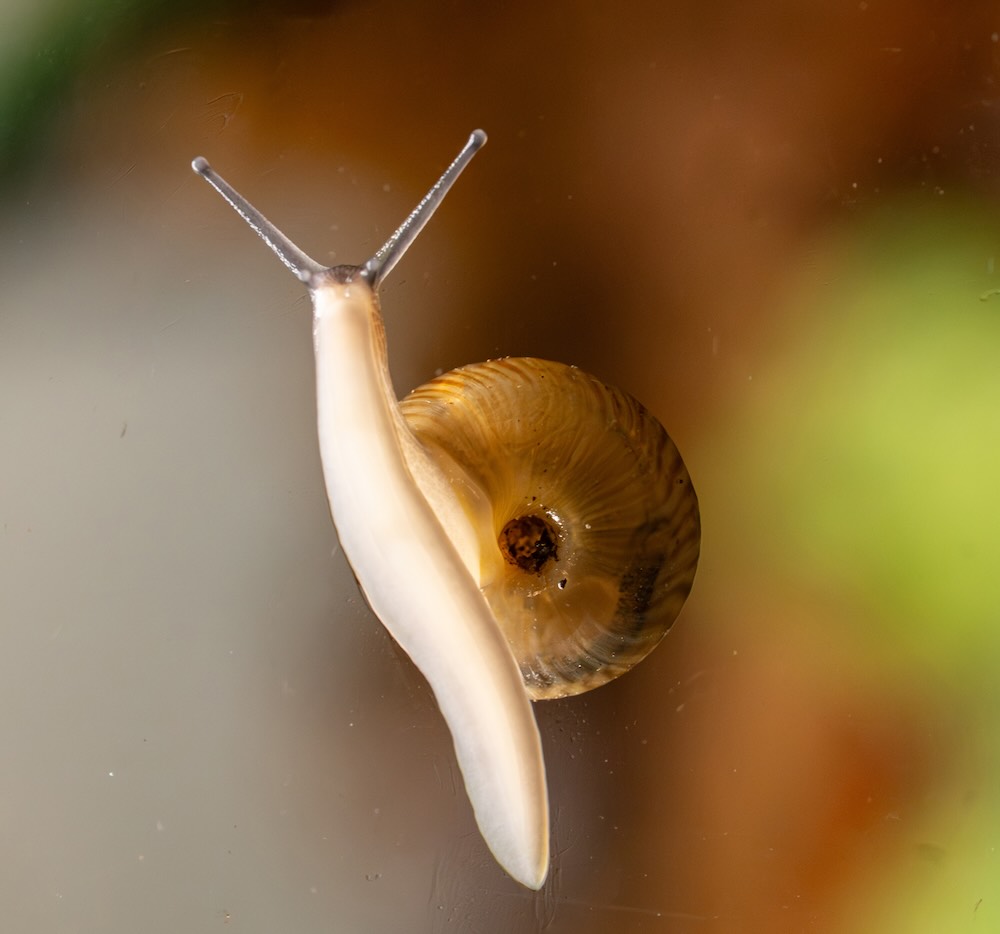 Bermuda snail (Poecilozonites bermudensis) – Courtesy of Chester Zoo
LOOK: Tiny New Species of Snail with Unusual ‘Cubist’ Shell Named After Pablo Picasso
To boost population numbers, an expert group of scientists and keepers at Chester Zoo were entrusted with several of the snails in hope they could be bred off-site and returned to the wild.
Gerardo Garcia, Animal & Plant Director at Chester Zoo, was among the team that bred the snails in specially designed pods at the zoo and painstakingly released them in protected woodland habitats.
“The fact the snails are firmly established in six areas is massive,” he said. “These are the ones where the colonies are growing and expanding in range. That itself is really important information, because not much was known about P. bermudensis.”
Keepers adapted existing snail husbandry methods to find the best conditions for P. bermudensis to multiply. Their findings are now part of the first conservation breeding guide for the species.
“They nearly vanished, so being able to say the snails are now safe from extinction is amazing. It’s an incredibly good feeling to make a huge difference for a species, and something conservationists might get to say only once in their whole career,” said Dr. Garcia.
AMAZING YELLOW JEWEL: Photographer Unites With Cuban Scientists to Save the World’s Most Beautiful Snail
Snails are among the least researched animals on the planet, and among the most vulnerable to extinction.
Endemic snails in Bermuda have been affected by habitat loss and climate change, and their decline was accelerated by the introduction of predatory ‘wolf snails’, and carnivorous flatworms which ate the much smaller native species. This had a broader impact on the Bermuda ecosystem.
“The snails function both as prey for larger animals and as consumers of live and decaying vegetation, so they are vital for turning over nutrients within their habitat,” said Dr. Kristiina Ovaska from Biolinx.
MORE COOL SCIENCE:
• Meet the Sea Slugs That Chop Off Their Heads and Then Grow New Bodies
• Seafood Delicacy That May Hold Cure for Cancer is Named Mollusk of the Year
• Fisherman Thrilled to Find Rare Melo Pearl in His Seafood Lunch –Worth up to $350,000
In the future, climate change and environmental issues may affect the newly established P. bermudensis snail colonies, but the team is confident they now know how to reinforce the population quickly and effectively.
It’s another example of what is possible when conservationists collaborate across borders to reverse biodiversity loss and restore nature’s balance.
DON’T MOVE SO SLOW: Share The Good News on Social Media Today…