
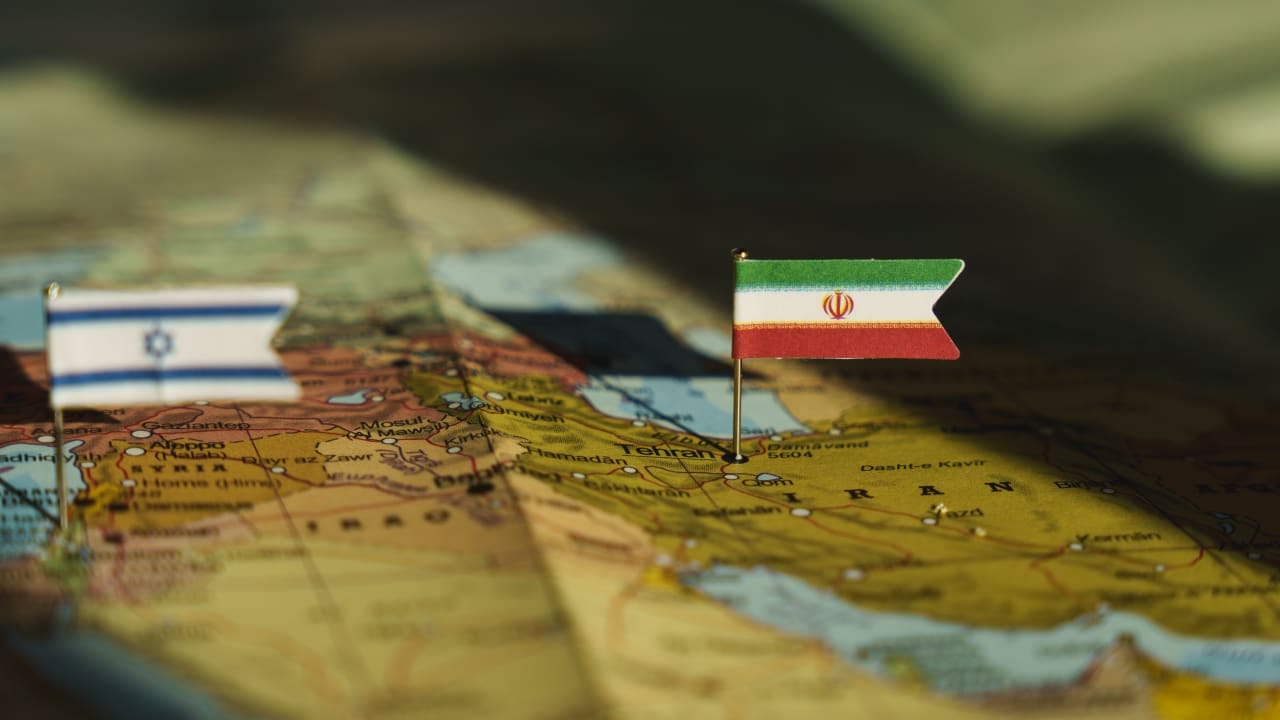
The US and Iran have resumed indirect nuclear negotiations in Oman, with messages shuttled in Muscat amid sharp disputes over what the talks should cover and what Iran will concede.
At the center of those disputes sits the same hard reality: Iran insists on preserving domestic uranium enrichment and portrays that demand as non-negotiable, while also declaring its ballistic missile program off-limits. Those positions collide with US demands that have included “zero enrichment” in Iran, limits on missiles, and an end to support for regional proxies, according to Reuters reporting.
Israeli readers have also seen the local angle laid out plainly. The Jerusalem Post has carried an analysis warning that renewed US-Iran diplomacy can operate as a pressure valve rather than a breakthrough and that deals or understandings reached on timelines set elsewhere can leave Israel facing reduced room to maneuver as Iran’s capabilities keep advancing.
At the same time, the Iranian regime has faced major internal unrest since late December. This newspaper has reported on the widespread protests, followed by a severe crackdown that included mass arrests and an internet shutdown.
Reuters has reported sharply higher toll estimates than the world heard in the early days: rights groups have tracked thousands of deaths and tens of thousands of arrests, while an Iranian official acknowledged a confirmed death toll above 5,000, including members of the security forces.

Those are the facts. They should shape Israel’s conclusions.
Israel faces a regime that negotiates as a method of statecraft while building capacity as a method of strategy. Tehran has spent decades perfecting this dual track: promise restraint in one channel, advance capability in another, then blame the inevitable crisis on everyone but itself. Israel lives with the consequences of that pattern, whether the immediate pressure comes through centrifuges, missiles, or the proxy networks stationed on its borders.
The current talks risk repeating a familiar mistake: treating the nuclear file as a standalone problem. Iran’s enrichment, missile program, and regional militias form a single threat architecture. A narrow arrangement that caps enrichment while leaving delivery systems and proxy warfare untouched still leaves Israel exposed to a faster, deadlier form of coercion. Israel’s security planners count ranges, payloads, basing options, and accuracy, not diplomatic adjectives.
Iranian officials have already drawn their lines publicly. Enrichment inside Iran remains a matter of sovereignty. Ballistic missiles remain “defensive” and therefore permanently excluded from negotiations. Those statements are not background noise. They are the policy.
Israel, therefore, has one responsible course: treat diplomacy as one arena and retain a full-spectrum strategy outside it. That includes intelligence pressure, economic and diplomatic coordination with partners, and a credible independent option that Tehran believes Israel will use if pushed.
Credibility grows from capability, readiness, and consistent signaling. It also grows from Israel’s historical record of acting when existential threats move from rhetoric to engineering.
Time is running out: Every month of negotiations offers Iran opportunities to harden sites, diversify supply chains, disperse assets, refine missile accuracy, and reduce vulnerability to disruption. Operational windows narrow quietly, then close suddenly. Israel should assume that Tehran understands this and is working to convert time into survivability.
Domestic unrest in Iran does not change the external threat. Internal weakness can produce outward escalation. Regimes under pressure often reach for foreign confrontation to rally loyalists, justify repression, and redirect anger. Tehran’s internet blackout and mass arrest strategy signal fear of its own public. That fear can drive risk-taking abroad, especially when leaders believe negotiations buy them space.
Regional actors are watching how Israel reads the moment. Hezbollah and Hamas measure Israeli resolve through patterns, not press statements. A posture of hesitation, paired with a diplomatic process that drifts, encourages testing behavior. A posture of preparedness reduces the temptation to gamble.
This editorial argues for discipline, not impulsiveness. Military action carries costs, and Israel does not benefit from bravado. Israel benefits from leverage. Leverage comes from keeping options real, keeping lines clear, and refusing to let negotiations become the only clock in the room.
Israel’s allies can pursue diplomacy. Israel must pursue survival. That means judging Tehran by its declared positions and its accumulated record, while acting early enough to preserve choice. Negotiations can produce a safer outcome when they include enforcement, verifiable constraints, and consequences that Iran cannot talk its way around. Talks that leave missiles and proxy warfare intact can still deliver Iran the one commodity it consistently seeks: time.