
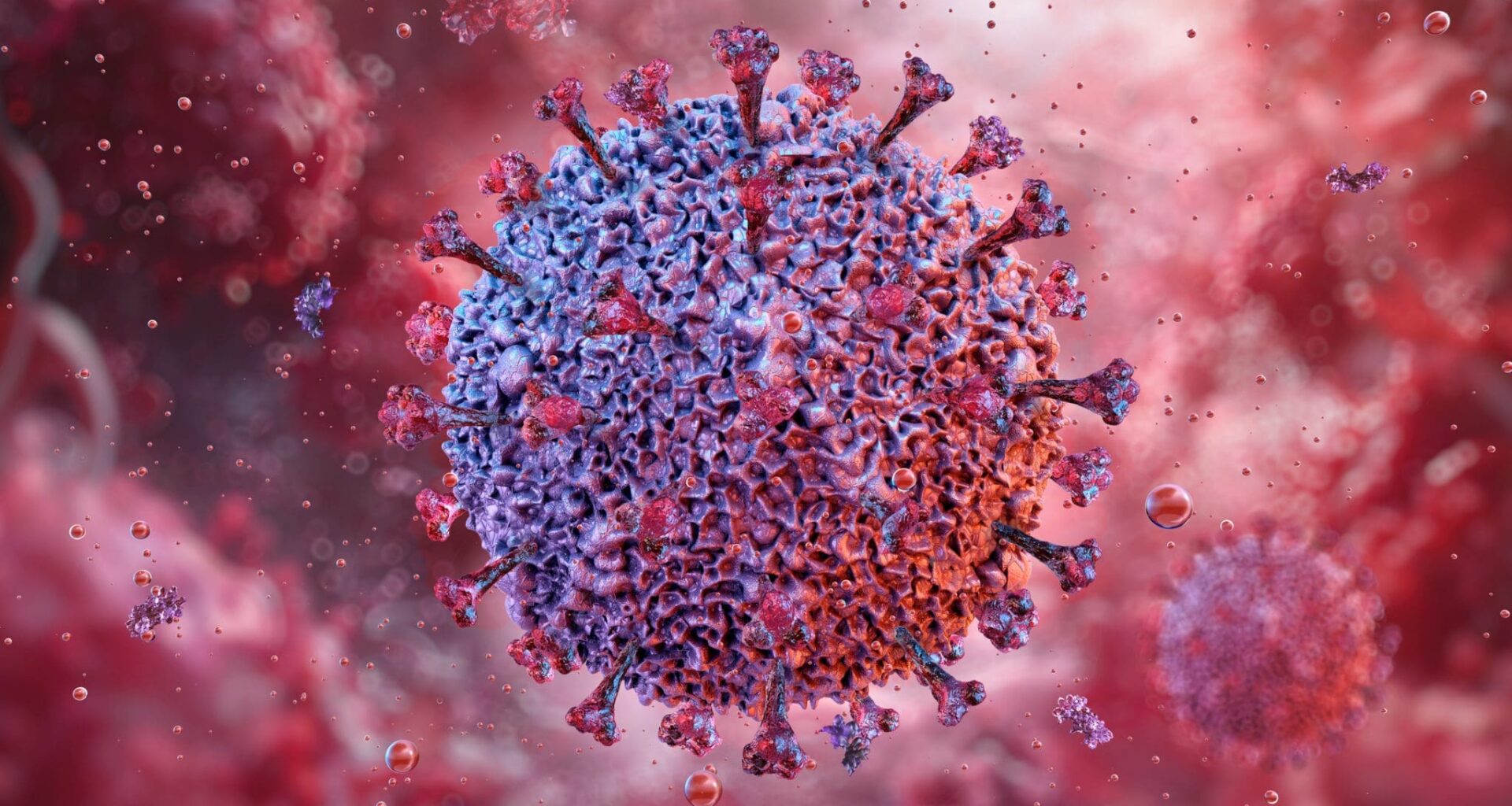
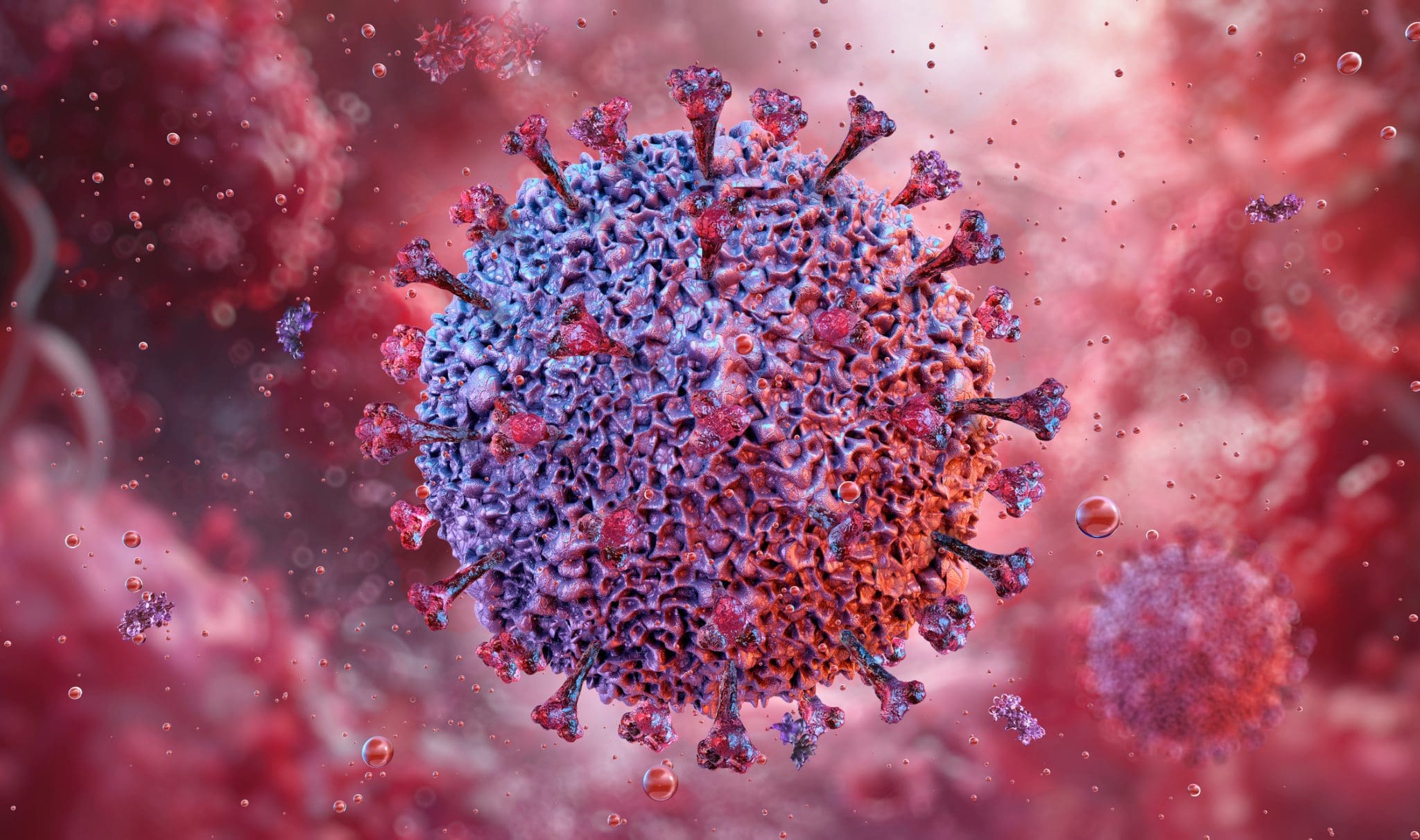
 image: ©quantic69 | iStock
A UK Biobank study reveals that the Epstein-Barr virus (EBV)—one of the world’s most common viruses—may be linked to lifelong health risks. These risks include chronic diseases and certain cancers, suggesting impacts far beyond what was once believed
New research from the UK Biobank suggests that the Epstein‑Barr virus (EBV), which infects the majority of people worldwide, may have longer-term effects on health than previously thought. The study links EBV to an increased risk of chronic conditions such as rheumatoid arthritis, lupus, and some cancers, highlighting how a virus often considered harmless could influence wellbeing over a lifetime. These findings underscore the importance of further research and potential prevention strategies.
Infectious disease specialist Alexander Mentzer from the University of Oxford, UK, comments, “The study highlights that infection has so much importance for public health—not just for people when they’re acutely unwell, but also from a long-term perspective.”
Understanding the Epstein-Barr virus
Epstein-Barr virus infects more than 90% of people, spreading mostly through saliva. Most people catch it during childhood, and because they never develop symptoms, they don’t even know they’ve had it. The virus often causes glandular fever, also known as mononucleosis (‘mono’).
Genetics and the risk of EBV-linked illness
Analysis of DNA from almost 750,000 people has revealed 22 genes that may help explain why some individuals have persistent Epstein-Barr virus (EBV) infections. Those with these genetic differences are more likely to show high EBV levels in their blood. As a result, they also face increased risks of conditions such as Hodgkin lymphoma, lupus, heart disease, depression, kidney failure, and many other serious illnesses.
Providing more detail, study co-leader Slavé Petrovski from the pharmaceutical company AstraZeneca explains: “We found that people with higher EBV levels are about 50% more likely to have rheumatoid arthritis and nearly twice as likely to have COPD compared to those with lower levels.”
“This really is quite an advance, which makes it really exciting,” says Mentzer. The results are “probably telling us that EBV could be driving some of these diseases,” he adds. But he cautions that other links between EBV and diseases might be coincidental. As Petrovski and his colleagues point out, the way that diseases alter the immune system can also raise EBV levels in the blood.
“We definitely need to do more work before we really understand if EBV is truly causal in driving some of these diseases or if it’s just a bystander,” Mentzer explains.