
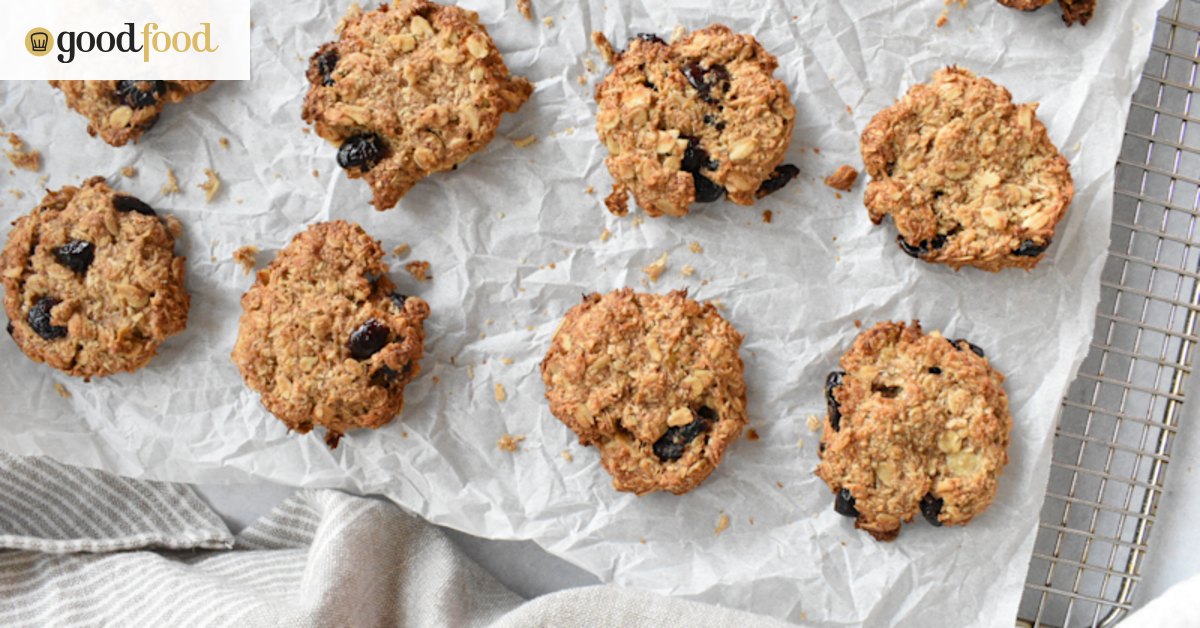
It’s the latest nutritional trend popping up on social media. But is it anything new, and does the science support it?
 Save
Save
You have reached your maximum number of saved items.
Remove items from your saved list to add more.
Save this article for later
Add articles to your saved list and come back to them anytime.
Got it
AAA
Protein might have been the biggest nutritional buzzword to make headlines in recent years, but there’s a new contender on the horizon, with fibre likely to overtake it as the nutrient holding the most power when it comes to health, wellbeing and longevity.
Social media is alight with the concept of “fibre-maxxing”, so it’s only a matter of time before we see our favourite supermarket foods supercharged with loads of extra fibre.
When it comes to nutrition and life in general, though, more is not necessarily better. And in the case of dietary fibre, a lot depends on the types we consume, and whether the positives of eating more outweigh the negatives.
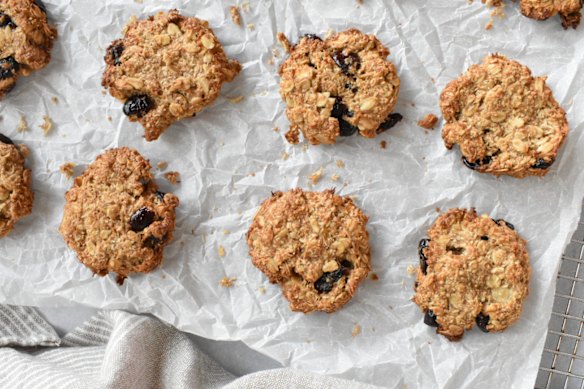 These satisfying oat, dried cranberry and walnut cookies are simple to make.Sarah PoundRelated ArticleWhy the interest in boring old fibre?
The nutritional benefits associated with eating the recommended 25 to 30 grams of dietary fibre daily are well documented. People who reach their daily dietary fibre targets have lower rates of heart disease, certain types of cancer and type 2 diabetes. They also generally live longer.
This is not new science, especially given the increasing interest in gut health. Rather, it is social media’s latest spin on this nutrient that has placed it back in the spotlight.
Whether someone is experiencing gut-related issues such as constipation, bloating, irritable bowel syndrome or even FODMAP intolerance, in many cases getting the right amounts and mixes of dietary fibre is a key step in supporting optimal digestive comfort.
What is fibre-maxxing?
Put simply, fibre-maxxing is about eating more dietary fibre. Considering that fewer than 20 per cent of Australian adults reach their daily fibre targets to help lower the risk of developing chronic disease, there is plenty of work to be done.
Leading dietitian and gut health expert Leanne Ward is a big fan of fibre-maxxing. “From a gut health perspective, fibre-maxxing is one of the most powerful tools we have,” she says. “Different fibres feed different gut bacteria, so variety matters just as much as quantity. A diverse, fibre-rich diet helps create a more resilient gut microbiome, which can influence digestion, immunity and even mood.”
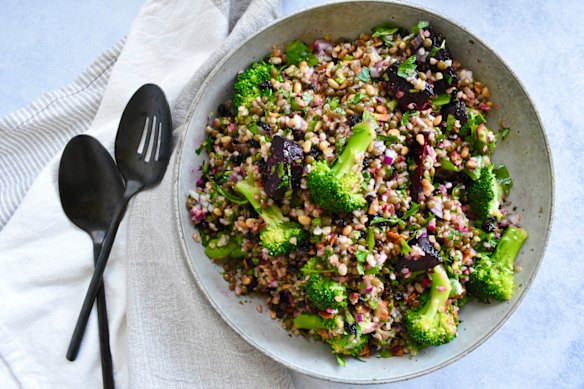 Mix whole grains into your weekday lunches.Sarah PoundRelated ArticleDifferent types of dietary fibre
One of the key things to remember is that there are different types of dietary fibre – insoluble fibre found in wheat bran, the skins of fruits and vegetables, and nuts and seeds. It passes through the digestive tract undigested and adds bulk to stools, helping to prevent constipation.
Soluble fibre is found in oats, legumes, fruits and vegetables. It helps to slow the rate of digestion and reduce cholesterol levels.
Then there is resistant starch, which is found in grains, unripened bananas and starchy vegetables such as potato, especially when cooked and reheated. While not always considered a fibre, resistant starch supports digestive health by feeding bacteria in the gut and reducing the risk of gut-related cancers.
Ideally, we should include a mix of these different types of dietary fibre in our diet to support gut health.
Not all fibre is created equal
One trend we often see in supermarkets is for food companies to add processed forms of dietary fibre, such as chicory root, oat fibre and inulin, to processed foods including snack bars and biscuits. This helps increase the amounts of fibre in products so companies can make nutritional claims on food labels.
While these ingredients are technically fibre, they are not as beneficial as the naturally occurring fibre found in whole plant-based foods.
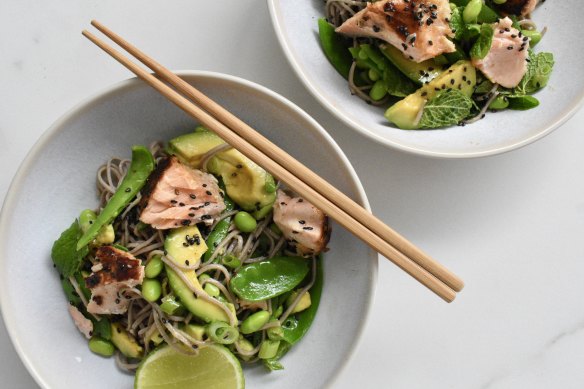 Add edamame to dishes such as miso salmon, soba noodle and avocado salad for a fibre boost.Sarah PoundRelated Article
 Signs you need more dietary fibre
To achieve a daily target of 25 to 30 grams of dietary fibre, you need to eat one or two pieces of fruit and at least five serves of vegetables every day, as well as wholegrain breads and cereals.
If you regularly eat out at cafes and restaurants and don’t ask for wholegrain breads and cereals, you’re unlikely to be hitting these targets.
If you do eat mostly at home but don’t include salad or vegies at lunch or dinner, or don’t eat at least a piece of fruit a day, that may explain why you often feel bloated, or struggle to clear your bowels.
Getting your fibre intake right
Start by including fresh foods at each meal and snack. Also, try to include at least one piece of fruit in your diet every day. Seek out wholegrain breads and cereals, ordering them specifically or proactively adding a wholegrain cereal to your daily food routine. Eating legumes a few times a week and snacking on fresh fruit and nuts will help boost your intake of dietary fibre too.
However, for those who are especially health conscious, it’s important to understand that while ticking the box on your daily fibre intake is key, more isn’t always better, especially if your digestive tract is sensitive or you have irritable bowel syndrome.
As Ward explains, rapid increases or large amounts of processed fibres, like those added to protein bars and snack foods, can worsen symptoms for some people.
“Fibre-maxxing should be gradual, personalised and guided by individual tolerance, with a focus on whole food sources and adequate fluid intake too,” she says.
“Ultimately, like many areas of health, balance is the key, but [in the] long term your gut health will benefit.”
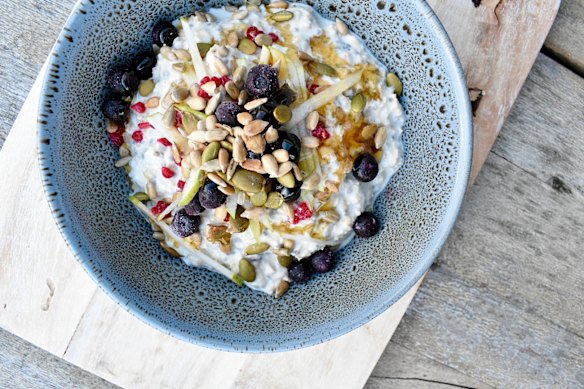 Overnight oats are an easy option for make-ahead breakfasts.Sarah PoundRelated ArticleSuper fibre-rich foods
All Bran (45g) 12.6g fibre per serve
Kidney beans (1 cup) 11g fibre per serve
Edamame (1 cup) 8g fibre per serve
Baked beans (½ cup) 7g fibre per serve
Frozen vegetables (1 cup) 7g fibre per serve
Corn (1 cob) 6g fibre per serve
Chia (1 tbsp) 5g fibre per serve
Oats (½ cup) 4g fibre per serve
Broccoli (1 cup) 4g fibre per serve
1 pear 4g fibre per serve
Related Article Related Article
 Save
Save
You have reached your maximum number of saved items.
Remove items from your saved list to add more.
 Susie Burrell is an accredited practising dietitian and nutritionist.From our partners