

Listen to this article
Estimated 3 minutes
The audio version of this article is generated by AI-based technology. Mispronunciations can occur. We are working with our partners to continually review and improve the results.
For Suishanie Brooks, helping Black patients navigate London’s healthcare system is more than a service. It’s a necessity.
“I want the best for my patients,” Brooks said. “This is an avenue that not only helps in the now, but ensures that they will have trust and confidence to advocate for themselves in the future.”
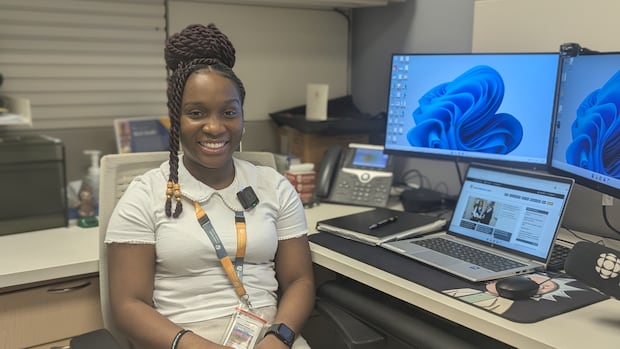
Why Suishanie Brooks has taken on the role of Black navigator at LHSC
It can be intimidating for some to navigate the hospital system. In her role as Black health navigator, Suishanie Brooks helps Black patients as they access care in London Health Sciences Centre.
Brooks is a Black health navigator for London Health Sciences Centre (LHSC). Originally from Jamaica and trained as a practical nurse, she acts as a guide for Black patients as they receive treatment in London’s hospital system.
Brooks said she sees her role as bridging the communication gaps that can develop between these patients and their healthcare providers.
“Sometimes there is a difference in language and culture, and sometimes that is thought of differently by anyone they may interact with here,” she said.
Brooks said for some older patients, not adding something as simple as ‘miss’ or ‘mister’ in front of their first name can be interpreted as a sign of disrespect, even if that is not the intent of staff.
LISTEN | Afternoon Drive:
Afternoon Drive7:18Meet the Black Health Navigator helping to guide patients at London Health Sciences Centre
It can be a scary thing for people of colour to go to a doctor for help. Suishanie Brooks is the Black Health Navigator at Victoria Hospital in London, and helps improve the experiences of people of colour accessing health care.
“That is something that we tend to forget here in the healthcare system, and we just say their first name because that is the norm,” she said. “That in and of itself can be a break in the trust.”
Brooks said having conversations with staff in these circumstances really helps to make both staff and patients feel at ease.
Trust is a necessity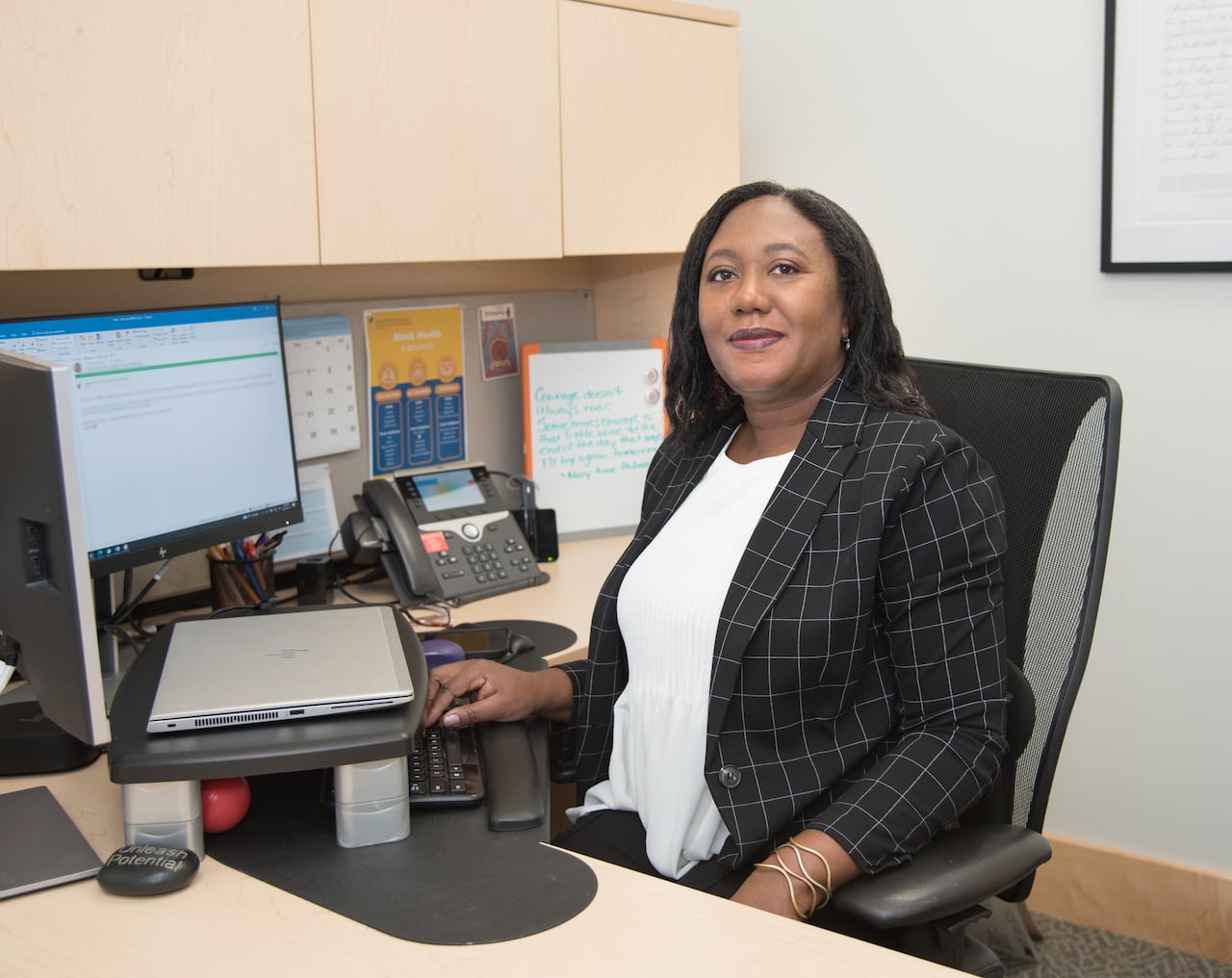 Cathy Wood is the Black health lead for London Health Sciences Centre. (LHSC photo)
Maintaining trust with patients is a major focus for LHSC’s diversity and inclusion team.
Cathy Wood is LHSC’s Black health lead. She was part of a feedback session in 2025 with Black residents in London about the city’s healthcare system.
In their responses, participants said they weren’t taken seriously when it came to pain management, and felt that they were under medicated as a result. They also felt that they weren’t included in the creation of their care plans and that there was a lack of cultural humility when it came to communicating treatment.
Wood said experiences like these can reduce a patient’s willingness to seek healthcare in the first place, and if patients do come to appointments, damaged trust will make them less likely to follow through with the recommended treatment.
“It makes them harder to treat,” she said. “It takes longer to treat them, and then the outcomes aren’t as good as they could be if they were a little more proactive.”
Wood said the navigator position was created as a direct result of that feedback.
“The navigator is able to be the liaison that gets the patient’s voice heard in a system that is sometimes very fast-paced,” she said.
More work to be done
Both Wood and Brooks acknowledged that there is a lot more work that needs to be done to lower the barriers that exist for Black patients in London’s hospital network, specifically for sickle cell patients and to improve mental health services.
Despite the ongoing work, Brooks said she has already noticed the difference the navigator role is having.
“Just for them to see me, there is a sigh of relief for them just to see someone that looks like them,” she said.