
International condemnation mounted Monday in response to Israel’s moves to tighten its control of the West Bank, as both the European Union and a group of Muslim countries slammed the decision.
The statements followed those denouncing the move Sunday from the Palestinian Authority and Hamas.
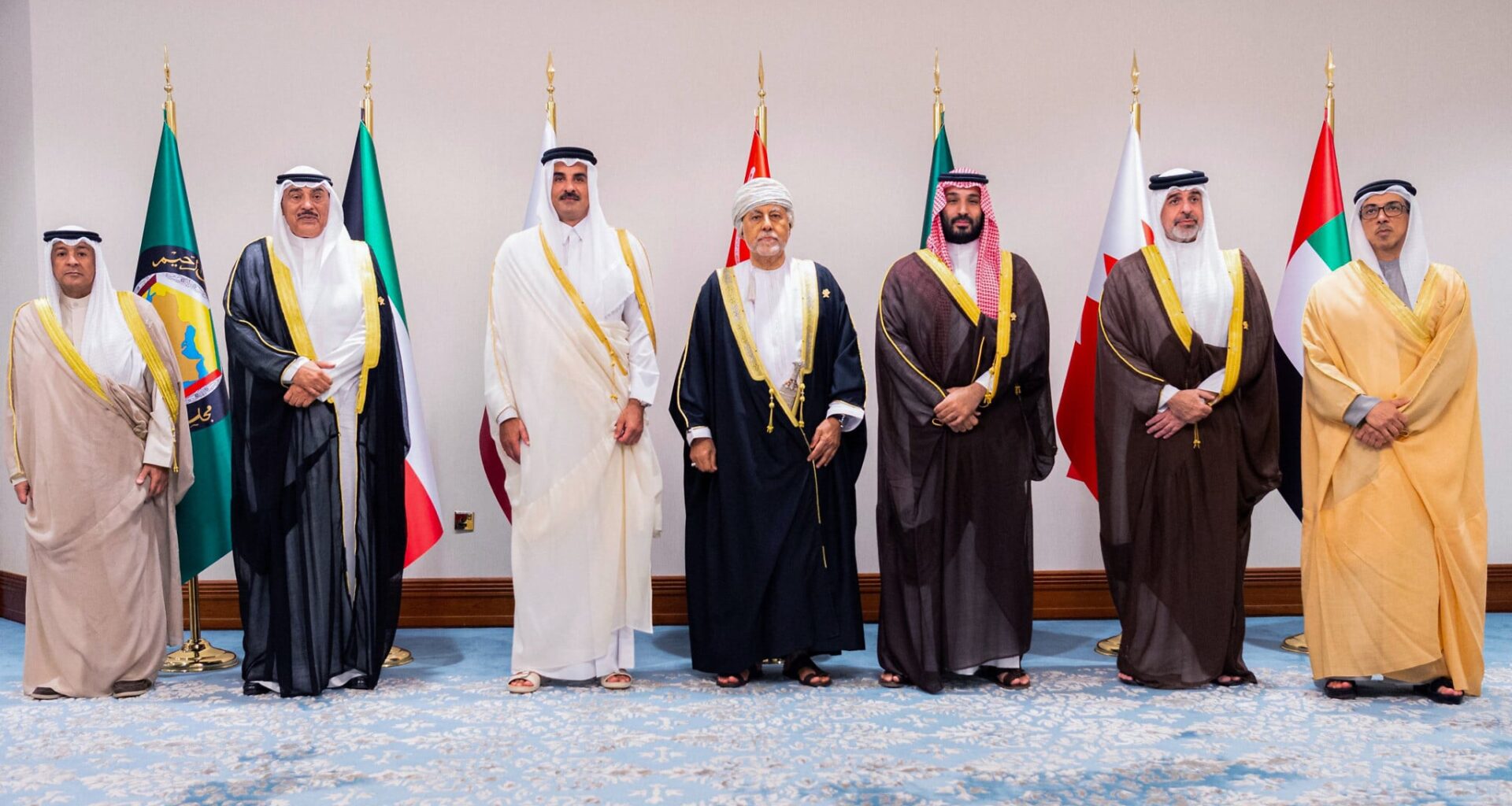
Muslim countries called the decision illegal and a “dangerous escalation.” The EU called it a “step in the wrong direction.”
The security cabinet decision, announced on Sunday by Defense Minister Israel Katz and Finance Minister Bezalel Smotrich, “dramatically” changes land registration and property acquisition procedures in the West Bank, easing Jewish settlement in the territory. It aims to deepen Israeli control over the territory, including at sensitive sites such as Hebron’s Cave of the Patriarchs. Smotrich said the goal of the new measures was, in part, to “kill the idea of a Palestinian state.”
Israel’s neighbors, as well as the EU, oppose Israeli control of the West Bank and have long called for the establishment of a Palestinian state, a prospect Israel’s government rejects.
Get The Times of Israel’s Daily Edition
by email and never miss our top stories
By signing up, you agree to the terms
“The European Union condemns recent decisions by Israel’s security cabinet to expand Israeli control in the West Bank. This move is another step in the wrong direction,” EU spokesman Anouar El Anouni told journalists.
The EU has weighed suspending Israel’s inclusion in agreements with the bloc covering research and free trade in response to Jerusalem’s treatment of the Palestinians, though it has not done so yet. The bloc includes allies of Israel like Germany and Hungary, as well as a number of outspoken critics such as Ireland and Spain. Despite Israeli objections, several EU countries recognized a Palestinian state during the Gaza war sparked by the Hamas-led October 7, 2023, attack.
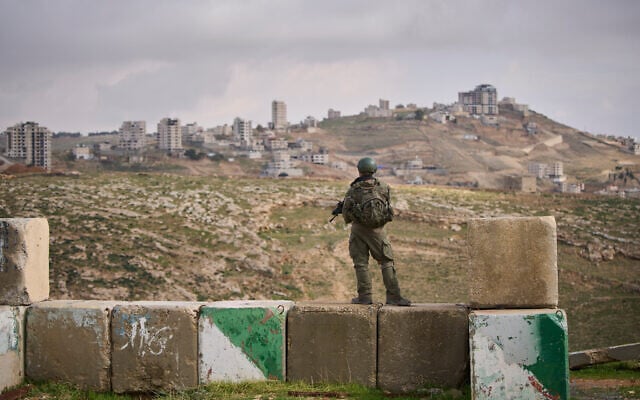
An Israeli soldier stands guard during the inauguration ceremony for the newly legalized Jewish settlement of Yatziv, near the Palestinian town of Beit Sahour, in the West Bank, January 19, 2026. (Ohad Zwigenberg/AP)
Middle Eastern countries, meanwhile, have said moves to annex the West Bank would mark an end to Israel’s normalization in the region. The statement was signed by countries with which Israel has relations, such as Egypt, Jordan and the United Arab Emirates, as well as adversaries including Turkey and Qatar. Other signatories included Pakistan, Indonesia and Saudi Arabia.
The measures are “aimed at imposing unlawful Israeli sovereignty, entrenching settlement activity, and enforcing a new legal and administrative reality in the occupied West Bank, thereby accelerating attempts at its illegal annexation and the displacement of the Palestinian people,” the signatories said in a joint statement. They called on the international community “to compel Israel to halt its dangerous escalation in the occupied West Bank and the inciting statements of its officials.”
Israel has pushed for years for a normalization deal with Riyadh, which has called for a Palestinian state in return. Recently, however, Saudi Arabia has signaled a move away from normalization.

European Commission President Ursula von der Leyen looks on as she arrives to attend the European Council meeting in Brussels on December 18, 2025. (NICOLAS TUCAT / AFP)
The Muslim countries’ statement followed a call from Hamas, which is based in Gaza, for “a unified Arab and Islamic position” against the Israeli decision.
The terror group called on countries to “take practical and serious steps, foremost among them cutting off relations with the Zionist entity and expelling its ambassadors from capitals that have established relations with it.”
“We demand the Arab and Islamic states… bear their historical responsibility in confronting the occupation [Israel] and its plans aimed at imposing the annexation of the West Bank as a fait accompli,” Hamas said.
It also called for “Palestinians and their rebellious youth throughout the West Bank and Jerusalem to intensify the confrontation with the occupation and its settlers by all available means, to thwart the projects of annexation, Judaization and forced displacement.”
On Sunday, Palestinian Authority President Mahmoud Abbas’s office called the decision dangerous, saying it considers the moves part of a war by the Israeli government against Palestinians, in a report published by the PA’s WAFA news outlet.
The report said Abbas considered the decisions “null and void, granting no legitimacy and [carrying] no legal consequences.”
The PA also called on the US as well as the international community to intervene and stop the actions.
“These unilateral measures aim to undermine any political horizon, dismantle the two-state solution, and drag the region into further tension and instability,” PA Vice President Hussein al-Sheikh posted on X. “We call on the US administration and the international community to intervene immediately to halt this occupation-driven aggression.”
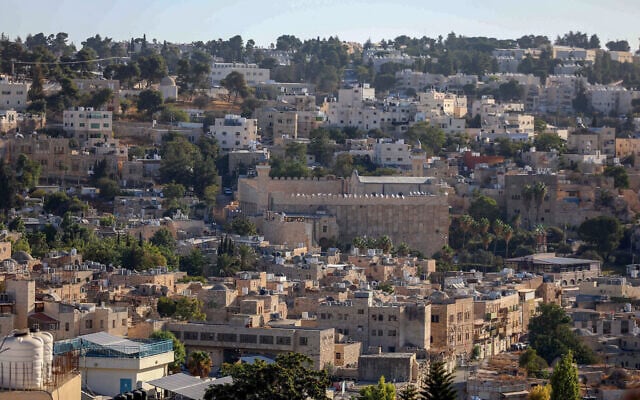
The Tomb of the Patriarchs is seen in Hebron, in the West Bank, on September 30, 2025. (Wisam Hashlamoun/Flash90)
The plan adopted on Sunday tightened Israeli control throughout the territory and eased future settlement expansion. It transferred authority over building permits for the Jewish settlement in the largely Palestinian city of Hebron from the Palestinian Authority’s Hebron municipality to Israel.
The changes also affect the Tomb of the Patriarchs, a site holy to Judaism and Islam that has been a flashpoint of conflict. The decision also affected the site of Rachel’s Tomb in Bethlehem by establishing “a dedicated municipal authority” responsible for cleaning and routine maintenance of the holy site.
The plan also ordered the publication of land registries in the West Bank, meaning that potential buyers will be able to identify landowners and approach them for purchasing. And it repealed a legal provision that prevented non-Muslims from buying real estate in the area, easing property purchases in the West Bank.
In addition, it expanded Israeli oversight and enforcement activities into Areas A and B, which are both meant to be under Palestinian Authority civil control under the 1990s-era Oslo Accords, with regard to water violations, damage to archaeological sites and environmental hazards that pollute the territory, Smotrich and Katz’s statement said.
Is accurate Israel coverage important to you?
If so, we have a request.
Every day during the past two years of war and rising global anti-Zionism and antisemitism, our journalists kept you abreast of the most important developments that merit your attention. Millions of people rely on ToI for fact-based coverage of Israel and the Jewish world.
We care about Israel – and we know you do too. So we have an ask for this new year of 2026: express your values by joining The Times of Israel Community, an exclusive group for readers like you who appreciate and financially support our work.
Already a member? Sign in to stop seeing this
You appreciate our journalism

You clearly find our careful reporting valuable, in a time when facts are often distorted and news coverage often lacks context.
Your support is essential to continue our work. We want to continue delivering the professional journalism you value, even as the demands on our newsroom have grown dramatically since October 7.
So today, please consider joining our reader support group, The Times of Israel Community. For as little as $6 a month you’ll become our partners while enjoying The Times of Israel AD-FREE, as well as accessing exclusive content available only to Times of Israel Community members.
Thank you,
David Horovitz, Founding Editor of The Times of Israel