

As everyday essentials spiral, Russians have flooded social media to complain that they are being forced to give up taxis, manicures, cinema tickets — and cucumbers.
“Cucumbers have now become a luxury item,” a St Petersburg resident complained in a recent vlog detailing the items she has been forced to forgo as prices have risen.
“I’ll have to eat mango and dragonfruit instead of cucumbers,” another quipped, contrasting the prices of exotic imported fruits with the humble vegetables stacked high in boxes and priced at up to 500 roubles (almost £5) per kilogram.
Some users went further, dubbing cucumbers the “new gold”, while a viral video from Tyumen in Siberia purported to show the owner of a small shop stealing 1.5 tonnes of cucumbers from supermarkets to re-sell them at top prices.
Across Telegram and other social media platforms, hundreds of videos show Russians oscillating between despair and gallows humour as they confront once-familiar goods on supermarket shelves now carrying eye-watering price tags.
“What’s happening with food prices?” one young woman despaired. “What are we going to eat? Pasta and water? I don’t buy clothes or cosmetics, I don’t go to the doctor, I try not to buy any supplements or pills. All that’s left to do is give up food.”
Seasonal factors, tax changes, stubbornly high inflation caused by years of elevated defence spending have pushed supermarket prices to new highs since the start of the year.
After VAT rose from 20 per cent to 22 per cent on January 1, companies signalled that the increase would be passed on to consumers.
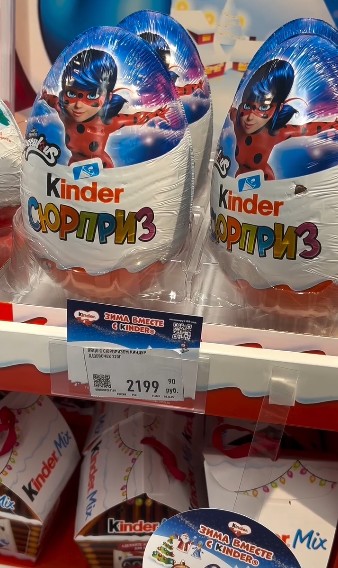
Kinder Eggs cost more than £20
In the first 12 days of January, Rosstat, the state statistics agency, reported a 1.26 per cent rise in prices. In that window, the cost of cucumbers leapt by 21.3 per cent and that of tomatoes by 13.6 per cent.
In Russia, where for decades the average household has been forced to spend 30 per cent of its income on food, these increases have been particularly painful.
• Decadent, debauched, denounced: rich Russians are in firing line
Last year, the price of fish is thought to have increased by 22 per cent, coffee by 15 to 25 per cent, tea by 10 to 20 per cent, seasonal fruit by 15 to 20 per cent and trips on public transport by as much as 20 per cent.
“I thought that I was relatively well-off,” Nikita, a programmer who lives in Moscow, told The Times. “But there are things I used to be able to do that I can’t afford to do any more.”
“Lately, the mere thought of going to the grocery store fills me with rage,” Natalia, from Vladivostok, told Meduza, a Russian opposition website. “For almost a year now, I’ve been surviving on expired food sold near my building.
“At first it’s really unpleasant to eat food like that. Then you get used to it and accept it. There’s simply no other way to eat.”
“What are we going to eat? Pasta and water?” said a Telegram user
Galina, from Irkutsk, said: “Some even tell others to ‘tighten their belts’ and endure it all for the sake of ‘victory’. ‘For a righteous cause and victory over the rotten West, you can gnaw on dry bread.’”
According to a Bank of Russia survey last month, consumer confidence fell to a three-year low at the start of this year, with 53 per cent of respondents complaining about a “very strong” rise in prices. Officially, inflation last year stood at about 5.6 per cent. However, the International Monetary Fund estimated it at 9 per cent, more than double the global average.
Officials have come under fire for appearing to downplay public concerns. Dmitry Peskov, the Kremlin spokesman, said in January that Russians should not fear sharp price rises, while President Putin said merely that the month’s high inflation was “expected”.

President Putin
AVYACHESLAV PROKOFYEV/AFP/GETTY IMAGES
However, it was Alexander Klimochkin, a regional finance minister from northwestern Russia’s republic of Karelia, who bore the brunt of public anger after announcing a “No Spending February” challenge on the first day of this month.
“It’s a unique challenge where you spend the entire month only buying the essentials and cutting out unnecessary expenses,” he had explained online, jovially advising residents to avoid buying clothes, going to cafés and restaurants, travelling by taxi and going to the cinema to “turn saving into a game”.
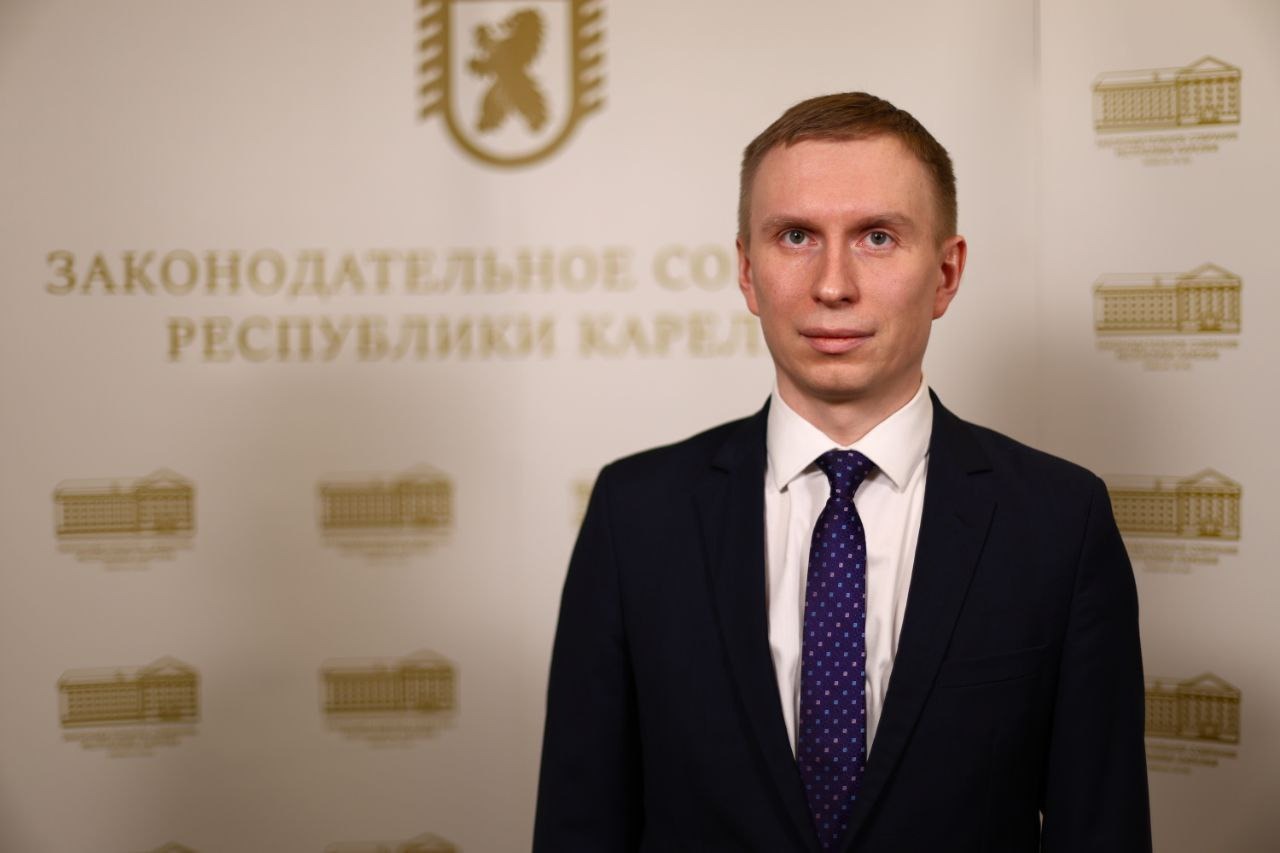
The post drew hundreds of outraged responses from residents. “And what if the last time I bought clothes was three years ago, and the last time I went to a café was over a year ago?” said Andrei Mitrofanov. “What else should I give up?”
Another resident wrote: “Are they aware that a large percentage of the population has already long been forced to deny themselves many things on a regular basis? What other expenses should I cut back on? Mortgage? Utilities? Food?”
A grovelling public apology from Klimochkin followed but some have suggested that the torrent of complaints online laid bare just how sharply ordinary Russians are feeling the squeeze of mounting economic pressures.
In the early years of the war, growth soared, albeit alongside runaway inflation, but this year Russia’s economy is showing signs of faltering.
Growth has dwindled to a slow crawl, burdened by declining oil prices. Oil and gas revenues, a linchpin of state funds, halved last month compared with January last year, marking the lowest figure seen in more than five years.
Indian oil refiners are also set to reject Russian oil purchases from April, Reuters reported on February 8, as Delhi seeks to seal a trade deal with the United States. India and China have been the biggest purchasers of Russian energy since western sanctions were imposed on Moscow after its invasion of Ukraine almost four years ago.
President Trump scrapped 25 per cent tariffs on goods from India that were imposed over its purchases of Russian energy because it had “committed to stop directly or indirectly importing Russian oil”. Delhi has not confirmed Trump’s claim, however.
The shortfall has been met with higher taxes, which have hit ordinary Russians, while persistently exorbitant spending on defence — an analysis by German intelligence last week claimed that Moscow had spent half its state budget on the military last year — has led to welfare, education and healthcare being increasingly starved of funding.
Putin conceded at a meeting with officials last week that economic growth had trailed at 1 per cent, significantly below its 1.5 per cent target, but brushed off concerns.
“We know that this slowdown was not simply expected — one could even say it was manmade: it was connected with targeted measures to reduce inflation,” he said.
Spikes in food prices have long been a concern in Russia, where wealth inequality is among the very highest in the world, according to annual reports by UBS, the Swiss investment bank. In 2023, the Kremlin was forced to intervene after egg prices surged by 40 per cent, triggering nationwide complaints.