
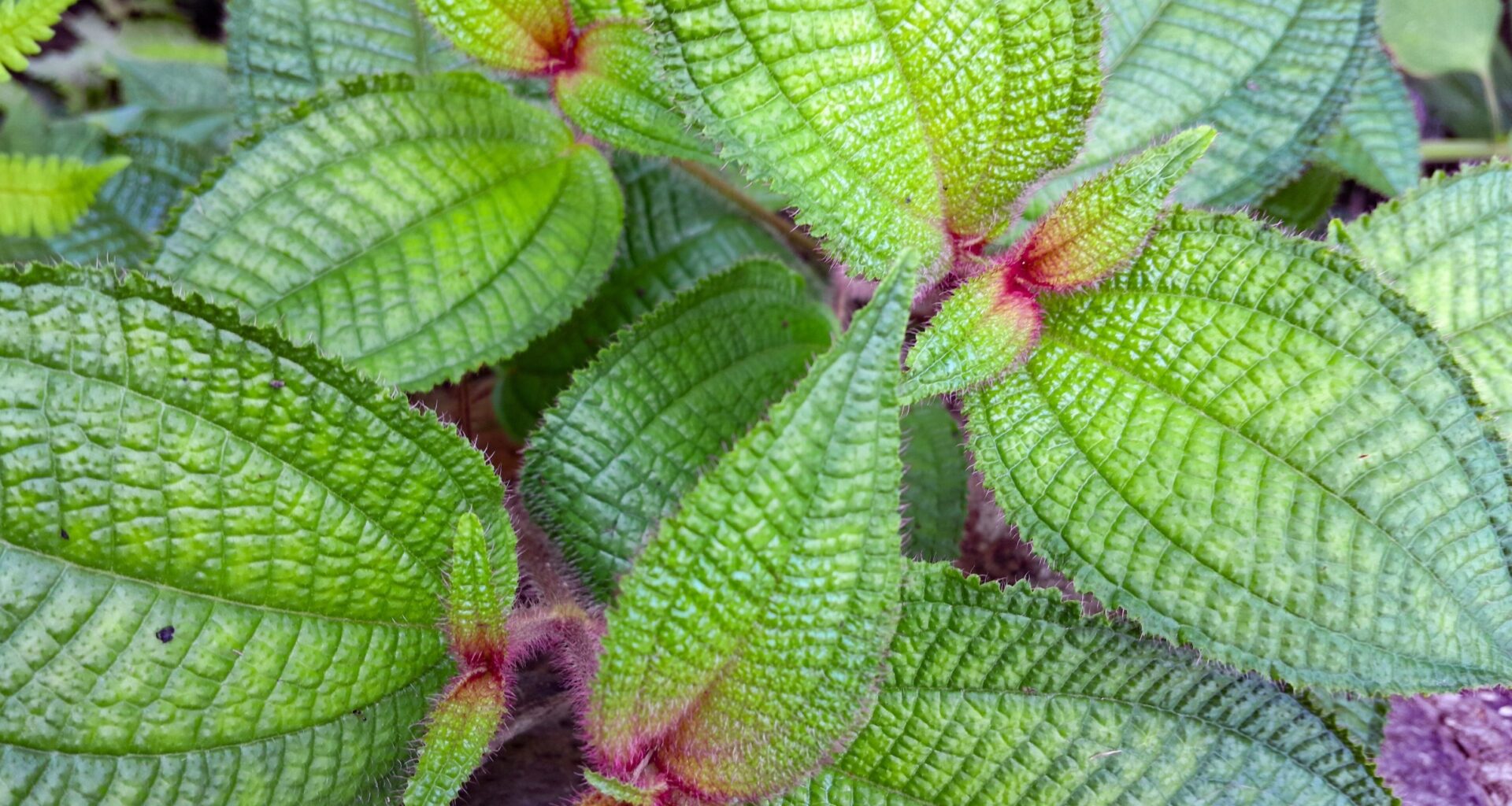
Plants cover the Massif de la Hotte in southern Hispaniola so densely that the mountain feels like a puzzle no one meant to solve this way. It is steep, rough, and packed with plant life.
For years, scientists wondered why this single mountain range holds more plant species than almost anywhere else in the Caribbean. The answer did not come from soil samples or rock layers. It came on wings.

The research began as a straightforward question about plants. Birds were almost an afterthought. Seed dispersal felt like a side detail. But the data refused to stay in its lane.
A large share of the plants living on this mountain did not come from elsewhere on Hispaniola at all. They came from eastern Cuba.
Something had been carrying seeds across open ocean, again and again, for millions of years.
Unexpected trips across water
The Massif de la Hotte sits on the Tiburon Peninsula at the southwestern edge of Hispaniola. According to the study, many of its plants arrived by air.
Other explanations were considered, but birds made the most sense. They eat fruit, travel far, and their digestive systems do not always destroy seeds.
One event stood out. About 1.6 million years ago, a bird flew more than 100 miles nonstop from southern Cuba to the peninsula. Before leaving, it ate the sugary fruit of a Miconia plant.
The seed survived the journey, landed intact, and sprouted. That single plant eventually evolved into 18 species. Most still live only on the Massif de la Hotte.
Those plants are not unusual for the region. About 34% of Hispaniola’s plant species are endemic, many limited to this one mountain range.
“It’s a biodiversity hotspot within a biodiversity hotspot,” said study lead author Andre Naranjo, who conducted the research while working as a postdoctoral associate at the Florida Museum of Natural History.
Vanishing forests in a protected place
The Caribbean Islands are one of 36 biodiversity hotspots worldwide. These places hold at least 1,500 endemic plant species and have lost much of their original habitat.
The Massif de la Hotte lies inside Pic Macaya National Park. Despite its protected status, about 75% of its forests are gone.
“Within the last 35 years, whole habitats have been clear cut by people in the surrounding villages for firewood to literally just survive because the economic situation in Haiti is so dire,” said Naranjo.
This loss makes old plant collections priceless. Field work in southern Haiti has been paused because of civil unrest.
Every pressed leaf and labeled stem collected before 2014 now carries more weight than ever.
A long trail of plant hunters
Modern research on the Massif de la Hotte rests on more than a century of work.
In 1917, Swedish botanist Erick Ekman arrived in Haiti after malaria, money disputes, and a stop on a Cuban sugar plantation. He traveled light, worked alone, and lived rough.
“A stalk of bamboo, properly plugged, served as his canteen and his food supply was limited to a few biscuits and tea. He depended on the hospitality of the inhabitants of any area he visited,” wrote botanist Richard Howard.
“He was willing to accept even the poorest accommodations.” When water ran out, Ekman drank from the leaf-clusters of bromeliads.
“This water may look bad, at times, and may be the natural habitat of many strange animals, but one ceases to be finicky when one’s lips burn from thirst.” When even that failed, he coated his “burning lips in mosses and moist soil.”
Ekman collected 16,000 plant specimens in Hispaniola and 19,000 in Cuba. His work helped identify 2,000 new species.
Mountains that rose late
In the 1980s, scientists returned to these southern mountains. The Massif de la Hotte may look ancient, but it is young.
The peninsula was once a shallow marine plateau. Limestone built up from dead plankton. Tectonic forces later folded and lifted it more than 3,200 feet.
Evidence suggests the mountain has been above water for about six million years. Its slopes climb to about 7,700 feet.
Lower areas once held Rak Bwa, or rock forest, a harsh landscape of sharp limestone and hidden sinkholes. By the 1980s, about 90% of it was gone.
Higher elevations hold rainforests, fern thickets, bamboo tangles, cloud forests, and pine savannahs. The pine, Pinus occidentalis, depends on fire.
As Ekman once wrote, “thousands of pine seeds germinate simultaneously, and thus a whole mountainside may be covered by a lustily growing pine forest.”
Working in these mountains was risky. “A number of times, we’d be in our tents, and we’d hear the rumble,” said Roger Portell. “Some of the boulders were four feet high.”
Plant clues in DNA
The new study focused on melastomes, a group of shrubby plants that includes Miconia. There are nearly 200 melastome species on Hispaniola, with 64 in the Massif de la Hotte alone.
“There are almost 200 species of melastomes on the island of Hispaniola, and they can be a dominant component of the understory and even the canopy,” said study senior author Lucas Majure.
Researchers sequenced DNA from 102 endemic melastomes. They used fossil ages to estimate when species appeared and where they came from. The results showed birds flying in every direction across the Caribbean.
One route stood out. Eastern Cuba to the Massif de la Hotte came up again and again, from six million years ago to less than one million years ago.
Soils, stress, and survival
One clue may lie in the soil. Eastern Cuba has large areas of serpentine soil, which is toxic and rich in heavy metals.
“What’s interesting about eastern Cuba, geologically speaking, is there are a lot of serpentine soils in the area,” Naranjo said.
Plants that survive there often face little competition. Over time, they adapt in unusual ways. Those same traits may have helped melastomes move onto limestone soils in southern Hispaniola.
“There’s clear evidence that some of these melastome groups originated on serpentine soils and then moved to other soil types. It seems to be a recurring pattern,” Majure said.
The future, however, looks tight. Many endemic melastomes live above 3,280 feet. As temperatures rise, there is nowhere higher to go.
“They can’t go anywhere else, so you can imagine minor changes in climate will have a major effect on things that have this really narrow ecological niche,” Majure said.
The full study was published in the journal Botanical Journal of the Linnean Society.
—–
Like what you read? Subscribe to our newsletter for engaging articles, exclusive content, and the latest updates.
Check us out on EarthSnap, a free app brought to you by Eric Ralls and Earth.com.
—–