
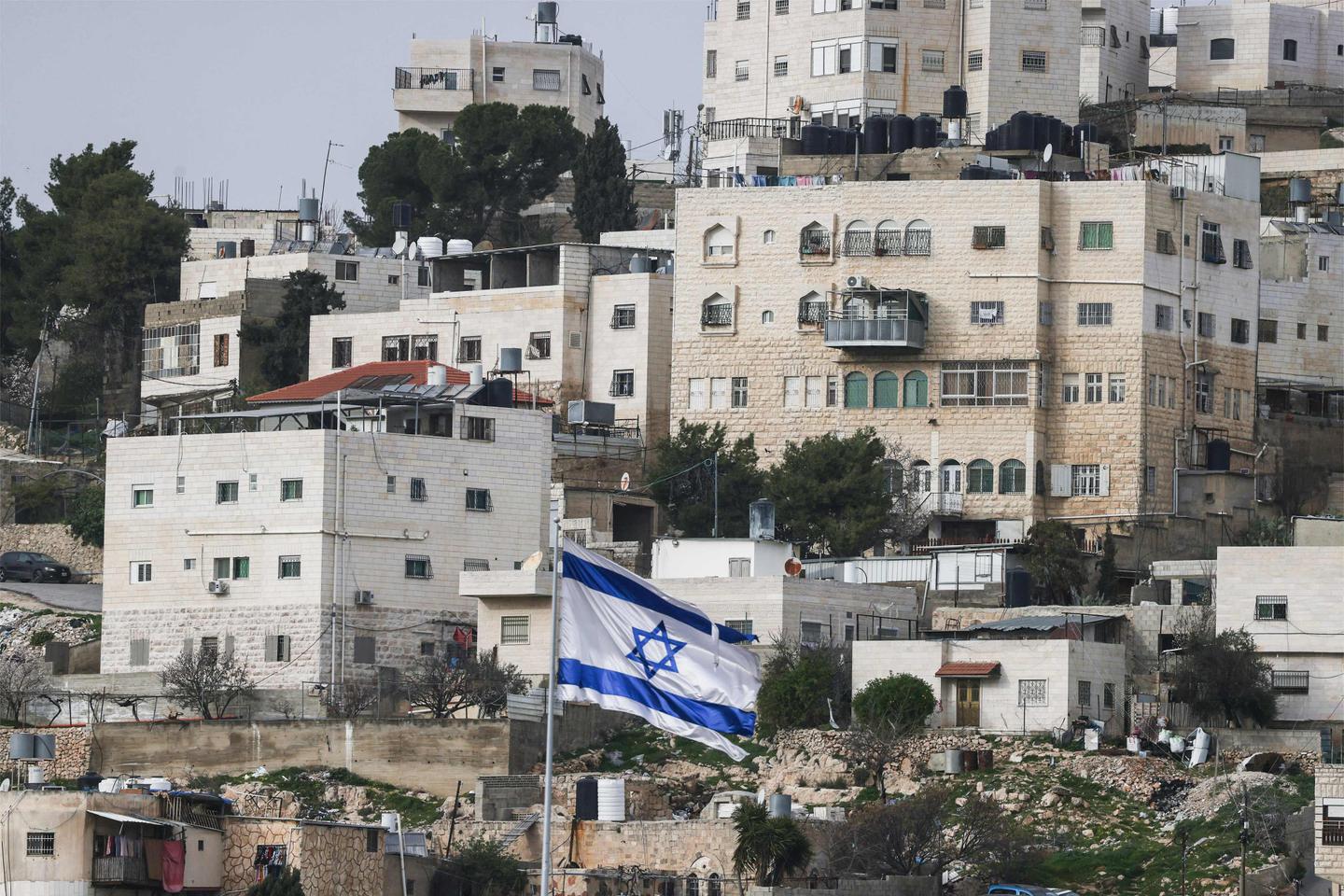
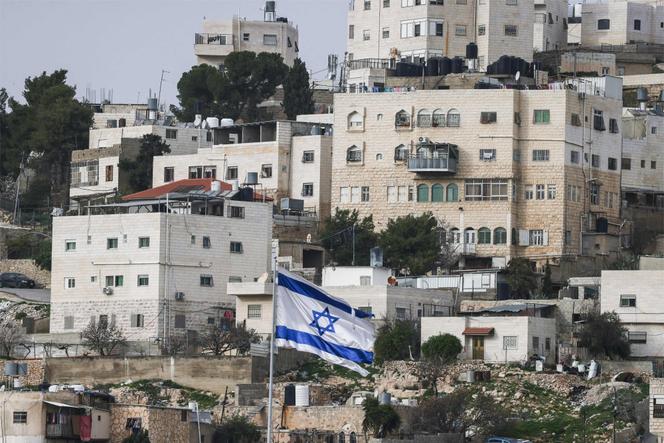
 An Israeli flag flies above the Beit Romano settlement in the city of Hebron, West Bank, February 9, 2026. HAZEM BADER/AFP
Israel’s annexation of the West Bank has reached a new stage. On Sunday, February 8, the Israeli government announced a series of technical measures designed to accelerate and expand the development of settlements in the occupied territories, thus strengthening its military, administrative and civil grip on land it has illegally occupied since 1967. “We are stepping up our presence on the ground and putting an end to the idea of creating an Arab terrorist state at the heart of the country,” said Bezalel Smotrich, the far-right minister responsible for settlements, here referring to a Palestinian state – the viability of which has never before appeared as threatened and uncertain.
A first set of measures aims to make it easier for Israeli Jews to acquire land. The change could mark a major turning point, and it demonstrates the effectiveness of the bureaucracy managing settlement policy since Smotrich took charge. According to a law dating back to Jordan, the previous occupying power, only Palestinian residents had been able to purchase land directly. Israelis, by contrast, had to navigate a relatively complex process to obtain permits through the administration – via registered companies – a system that had regulated property acquisitions through this route.
You have 75.46% of this article left to read. The rest is for subscribers only.