
During a recent press conference, Israeli Prime Minister Benjamine Netanyahu accused the Biden Administration of costing Israeli soldier’s lives due to a “arms embargo” placed on Israel during the war in Gaza.
As Chair of American Democrats in Israel I was contacted by several Israeli media outlets to offer an analysis from an American Democrat’s perspective. I am used to defending the American Democratic Party, but this time, as I prepped for the interviews, I took it personally.
One radio interviewer I spoke with continued that same line. I quipped with restrained anger: “One can argue that Biden saved thousands of Israeli lives, both soldiers and civilians by approving an unprecedented arms airlift to Israel not seen since the Yom Kippur War, sending the 6th fleet to the Eastern Mediterranean to signal Hezbollah not to engage Israel as Hamas did, and of course, by coming a few days later to support Israel from ground level and see the atrocities first hand.” My response did not resonate with my interviewers.
My colleague, American Democrats in Israel Vice Chair Heather Stone, and I started to look for a deeper meaning in this attack on Biden – more than a year after he left office.
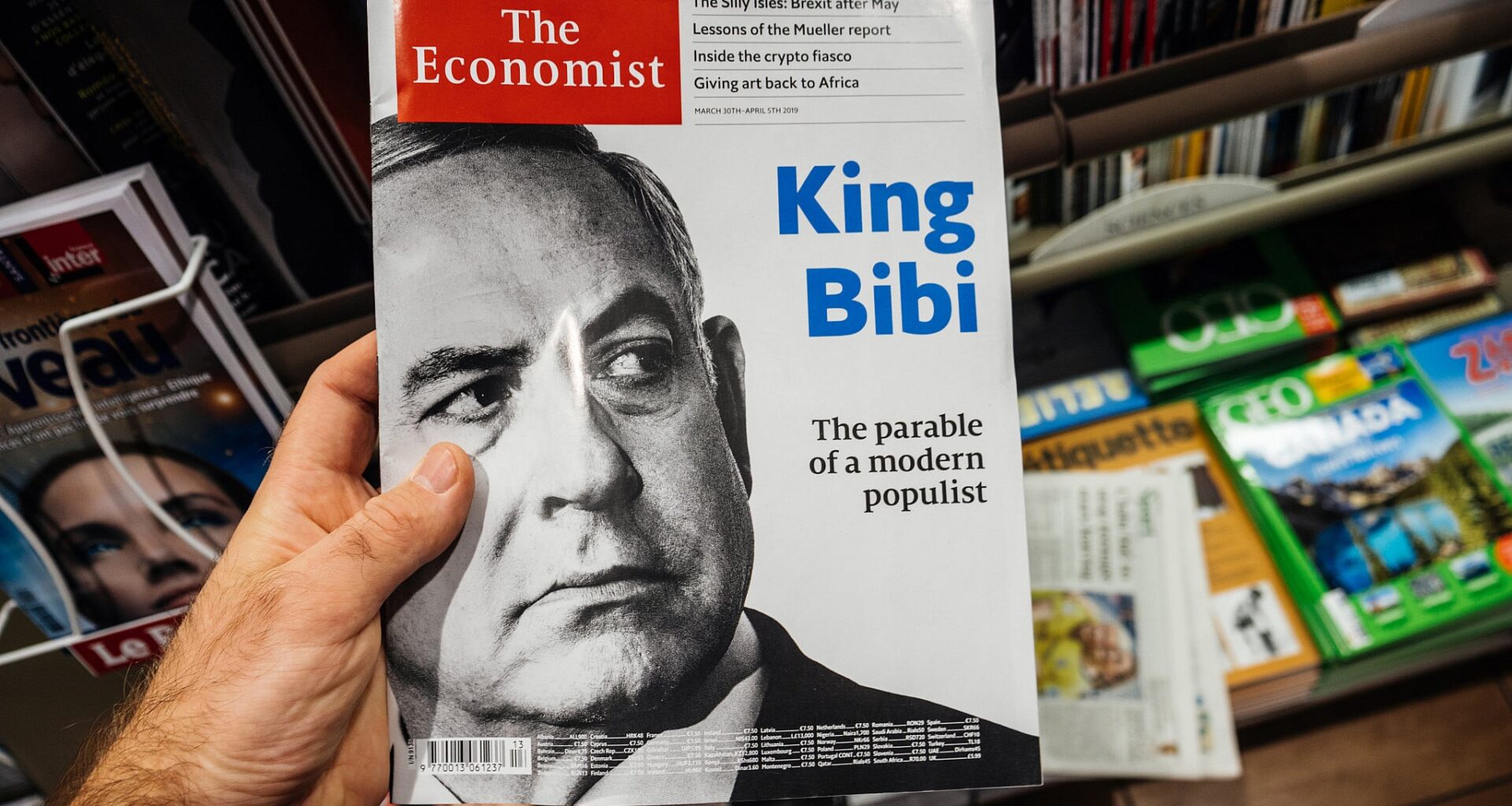
Beyond the obvious reasons, praising Donald Trump over Joe Biden to win brownie points, we looked at the recent Netanyahu’s interview with The Economist, where he told an English-speaking audience that Israel chose, under his direction, not to “carpet bomb” Gaza and instead opted for a ground invasion.
The statement was a bombshell back in Israel. But surprisingly, the backlash was not from the Israeli left, but from the right.
To a segment of Netanyahu’s traditional base, the prime minister sounded defensive when they demanded defiance.
Netanyahu’s emphasis during the Economist interview on Israeli restraint was meant to counter international accusations of indiscriminate warfare. But right-wing commentators here in Israel argued that publicly spotlighting what Israel did not do was, and is, a strategic mistake.
Media personality Yinon Magal, a prominent voice in Israel’s nationalist camp, has repeatedly argued in his broadcasts and posts that Israeli leadership must frame the war in terms of necessity and victory — not apology. This reaction fits a broader critique he has voiced since October 7: Israel’s problem is not military capability, but narrative hesitation.
Magal’s message is clear: explaining restraint to foreign audiences resembles justification rather than confidence. The backlash from the Israeli right reveals something older and deeper than one interview.
For years, Netanyahu has faced criticism from far-right voices who believe he is too cautious — militarily restrained, diplomatically calibrated, politically incremental.
The Economist interview reopened that wound. Which likely prompted Netanyahu, as Israel enters election season, to “look tough” to his base by adding President Biden to a long list of people “responsible” in his eyes for the failures that led to the war in Gaza.
To this camp, emphasizing restraint sounded like a continuation of the very moderation they accuse him of practicing throughout past Gaza conflicts. Their frustration is not new. The interview simply gave it a fresh symbol.
Despite this, Netanyahu’s right-wing support remains structurally strong. But the episode exposes a sensitive political reality:
The Israeli right is not a single voice.
One faction wants diplomatic fluency and global narrative management. Another wants blunt rhetoric and maximal projection of force. Netanyahu has built his career balancing those instincts. The Economist interview showed how fragile that balance can be.
In trying to reassure the world, he unsettled a slice of the voters who believe reassurance itself is weakness. In the process, he sacrificed the self-proclaimed last truly Zionist US president. To echo Amos Hochstein, Bibi’s words were “false and ungrateful.”
Ethan Kushner is a writer, strategist and marketing executive focused on Israel–Diaspora, US-Israel relations and civil-society-led nation branding. He is founder of the Kerem Alliance, an NGO working to counter polarization by advancing a more credible, values-based global conversation about Israel. He is also Chair of American Democrats in Israel, an organization of American Israeli supporters of the US Democratic Party and Israeli identity with a mission of supporting U.S. Democratic political candidates who ally with Israel and Jewish values. His work explores democracy, identity, and the limits of government-led public diplomacy in an increasingly fractured media landscape.