


Ultra-processed foods make up a large proportion of the average person’s diet in the UK.
(demaerre via Getty Images)
You only need to look at the recent swathe of viral podcast episodes, bestselling books and health articles on the topic to know that ultra-processed foods (UPFs) are a growing concern in the UK.
These industrially processed food items, which include crisps, energy drinks, ready meals and sugary biscuits, have been linked to more than 30 harmful health outcomes, including a 47% higher risk of cardiovascular disease.
Concerningly, they currently make up more than half of the calories an average person in the UK eats.
The tricky thing about UPFs is that they’re not always easy to spot in the supermarket. A seemingly healthy low-fat yoghurt can contain several additives and sweeteners to make it taste more appealing, while an antioxidant-packed bar of dark chocolate can be beneficial for our heart health in moderation.
That’s exactly why health experts are urging shoppers to learn how to read food labels, flipping the packs and checking the ingredient list for recognisable, whole-food ingredients over hard-to-pronounce preservatives, sweeteners and emulsifiers, which are all classic hallmarks of ultra-processed foods.
As Rob Hobson, nutritionist and author of The Low Appetite Cookbook, explains: “Ultra-processed foods aren’t harmful because of one single ingredient, and not all additives are equal. What the science consistently shows is that diets high in UPFs, particularly when they replace fibre-rich, minimally processed foods, are linked to poorer long-term health outcomes.
“That said, certain ingredients are useful signposts for foods that are easy to overconsume and low in nutritional value when eaten regularly.”
To help you know exactly what to look for on your next big shop, we asked Hobson to share some of the most common ultra-processed ingredients on the shelves today and why you might consider limiting them in your diet.
Glucose-fructose syrup
A liquid sweetener made from starch, you’ll often find glucose-fructose syrup lurking in soft drinks like cola and lemonade, fruit drinks, flavoured yoghurts, sauces and bakery treats. It’s also added to certain varieties of cereal and cereal bars for an extra sugary kick.
Hobson says you should be mindful of consuming too much of this viscous stuff as it can easily spike your blood sugar levels, and it’s often found in foods that are easy to binge on.
“These syrups deliver free sugars in a rapidly absorbed form, and they’re found in foods that tend to lack fibre and protein,” he explains. “This combination makes them easy to eat in excess, as they’re often less effective at triggering fullness.
“In general, high intakes of free sugars are associated with weight gain and poorer metabolic health; not because they’re uniquely harmful, but because of how they affect appetite and energy balance.”
As a rule of thumb, the World Health Organization recommends keeping all added sugars (including glucose-fructose syrup) below 10% of our daily energy intake and ideally under 5%.
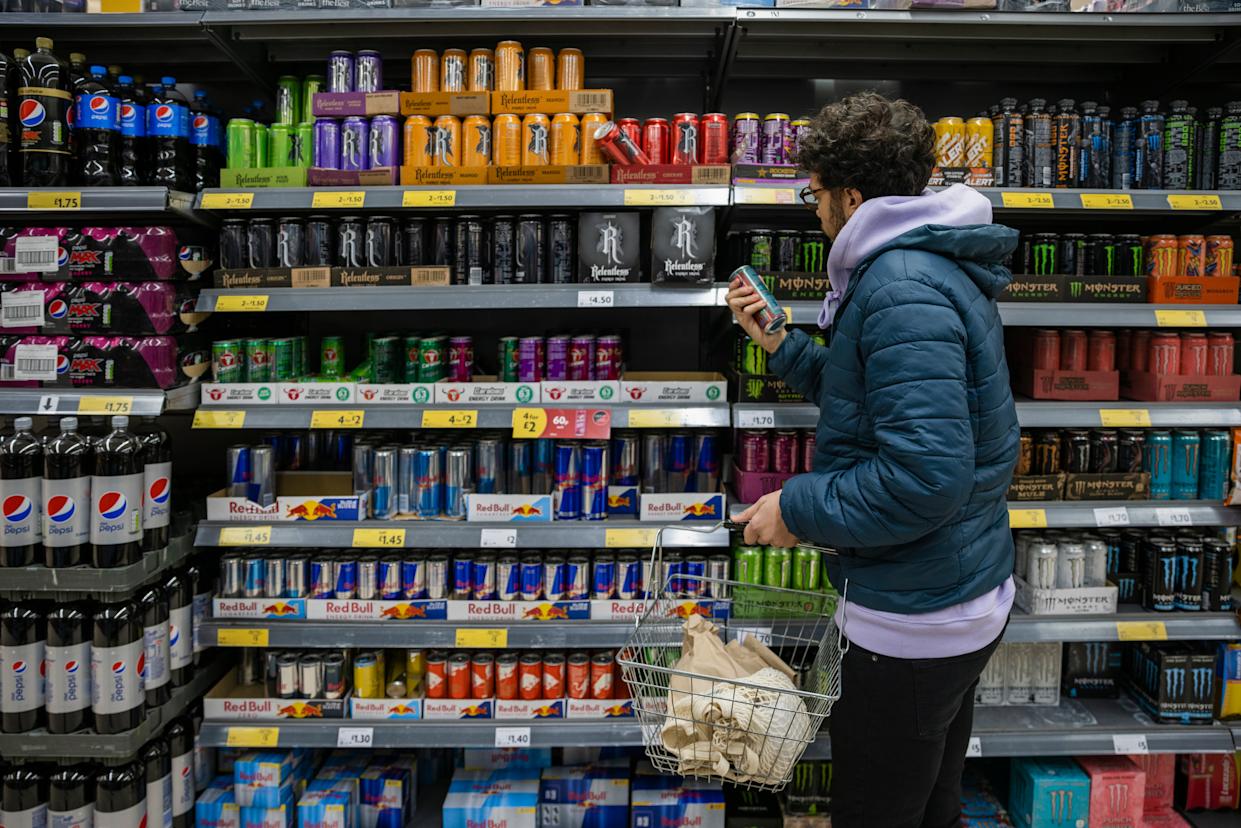
Glucose-fructose syrup is often found in sugary supermarket drinks.
(SolStock via Getty Images)Polysorbate-80 and carboxymethylcellulose
Ever wondered why ice cream, creamy desserts, ready meals and low-fat spreads don’t separate and congeal while sitting in the supermarket chillers? It’s because they contain emulsifiers that help fat and water mix together, improving both their texture and shelf life.
“Some emerging studies suggest that certain synthetic emulsifiers may affect the gut microbiota (aka, the bacteria in our guts) and the protective mucus layer of the intestine,” explains Hobson.
“In experimental models, this has been linked with low-grade inflammation, and a few early human studies have explored how reducing dietary emulsifiers may alleviate symptoms in people with Crohn’s disease, a form of inflammatory bowel disease.
“These findings come from early-stage studies and aren’t definitive yet, but they may support the idea that limiting habitual exposure to additive-rich ultra-processed foods might be particularly useful for people with inflammatory gut conditions.”
Nitrites and nitrates
There’s nothing better than the smell of bacon wafting through the house on a Sunday morning, but what’s potentially not so great is the preservatives used in cured meats to prevent bacterial growth.
Bacon, ham, sausages, hot dogs, deli meats and other processed meats contain nitrites, which Hobson says “can contribute to the formation of N-nitroso compounds, a group of chemicals that can damage DNA.
“The World Health Organization has classified processed meats as carcinogenic to humans, based on consistent evidence linking regular consumption to an increased risk of colorectal cancer,” he says. The World Cancer Research Fund also advises limiting processed meat intake.
If you’re a fan of the occasional bacon sandwich, Hobson assures it is nothing to panic about: “This guidance relates to habitual, long-term intake,” he notes. “Risk increases with frequency and overall dietary pattern, which is why moderation rather than avoidance is probably the most evidence-based advice.”

Some cured meats, like bacon, contain nitrates or nitrites to keep them fresh for longer.
(Thai Liang Lim via Getty Images)Aspartame, sucralose, and acesulfame-K
“These additives are non-fructose sweeteners used to provide sweetness without calories,” explains Hobson. “You’ll typically find them in diet fizzy drinks, sugar-free yoghurts, low-calorie desserts, chewing gum and protein bars.”
So why are they worth watching? “The research on artificial sweeteners is mixed, but much of the concern comes from studies on animals, where some sweeteners have been shown to alter the gut microbiome and, in certain cases, interfere with how the body manages blood sugar,” he says.
The human evidence so far is far less consistent. “Short-term studies in people generally show little or no effect at realistic intakes, although responses appear to vary between individuals.”
In real-world terms, he believes artificial sweeteners can still be useful as an occasional treat. “Take people who are overweight or trying to reduce sugar intake, for example. Replacing sugary drinks or desserts with lower-calorie alternatives can help cut overall energy intake, particularly in the short term,” he explains.
Where they’re worth paying attention to is with frequent or high intake. “Some sweeteners might influence appetite regulation or gut bacteria in certain people, and they can keep the palate tuned towards very sweet foods, making it harder to move away from ultra-processed options over time,” the nutritionist says.
Flavour enhancers like monosodium glutamate
If a cup of low-effort instant noodles is your idea of the ultimate hangover food, it might be useful to mix up your cooking repertoire every now and then, as these packet foods typically contain flavour enhancers that amp up the savoury ‘umami’ flavour.
“Flavour enhancers work by stimulating the taste receptors in your brain that are linked to reward and pleasure,” says Hobson. “This can increase the palatability of foods, overriding your normal appetite cues.”
In practical terms? This makes foods like crisps and salty snacks easy to eat quickly and in larger portions, especially when they’re paired with refined carbohydrates, fats and salt.
On their own, the nutritionist says that flavour enhancers aren’t inherently harmful: “However, it’s when they appear regularly in the diet, as they tend to signal foods that are engineered for reward rather than satiety, and that’s where we see a lot of the evidence around ultra-processed dietary patterns.”