
Rocket Launch: Vulcan USSF-87 – YouTube
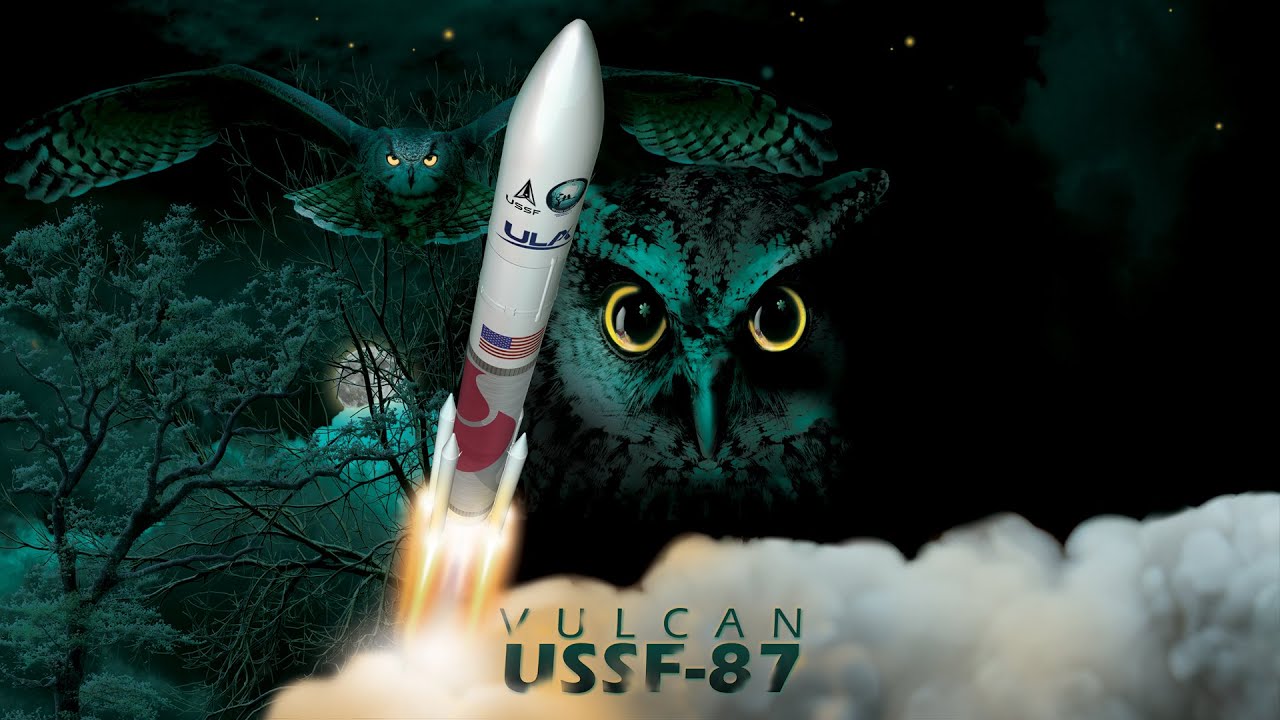
A Vulcan Centaur rocket will launch a pair of space surveillance satellites for the U.S. military early Thursday morning (Feb. 12), and you can watch the action live.
You may like
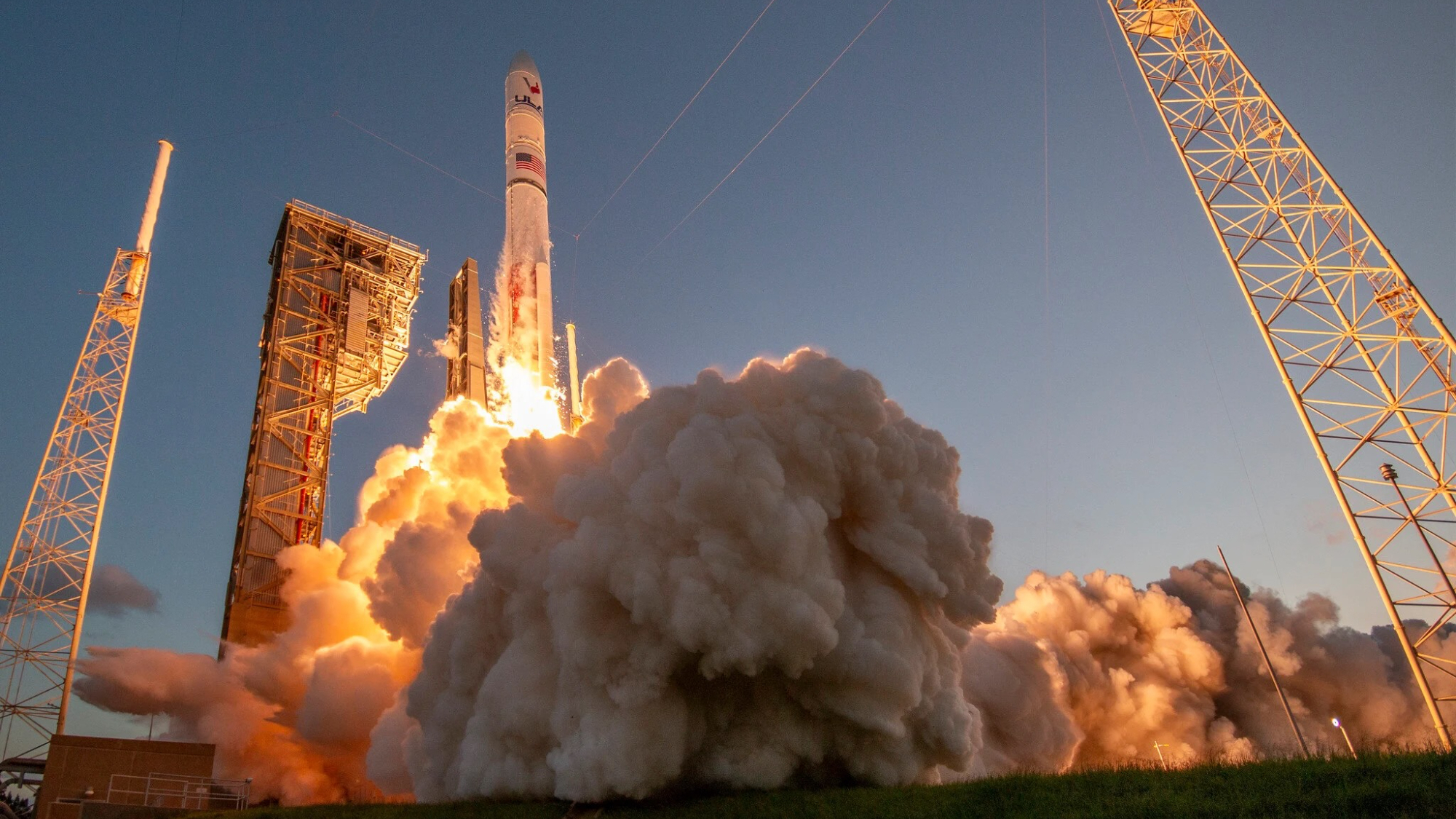
ULA’s second Vulcan Centaur rocket lifts off from Florida’s Cape Canaveral Space Force Station on Oct. 4, 2024. (Image credit: ULA)
USSF-87’s primary payloads are two satellites for the Geosynchronous Space Situational Awareness Program (GSSAP), a U.S. reconnaissance system.
Six GSSAP spacecraft have reached the final frontier to date — two apiece on launches in July 2014, August 2016 and January 2022. These satellites, which are built by Northrop Grumman, operate high above Earth, keeping a close eye on activities in geostationary orbit (GEO).
GEO lies 22,236 miles (35,785 kilometers) above Earth. At that altitude, orbital speed matches our planet’s rotational speed, allowing satellites to “hover” over a particular patch of land or sea continuously. For that reason, GEO is a popular destination for weather, reconnaissance and communications satellites.
The GSSAP spacecraft operate “as a high-performance, dedicated Space Surveillance Network sensor,” Space Force officials said in an emailed statement about the USSF-87 mission on Monday (Feb. 10). “They provide ‘neighborhood watch’ services in the geostationary Earth arena, improving flight safety for all spacefaring nations operating in that orbit.”
Better information about the position and activities of satellites “within the increasingly crowded GEO drastically speeds USSF space operators’ ability to warn others if another object is anticipated to approach too closely or creates a hazardous situation,” they added. “Data from the GSSAP will uniquely contribute to timely and accurate orbital predictions, enhancing our knowledge of the GEO environment and further enabling spaceflight safety, including satellite collision avoidance.”
Also going up on USSF-87 are some research and development payloads, which will aid the precision of orbital maneuvers and improve the resilience of U.S. assets in GEO, among other functions, according to the Space Force statement.
USSF-87 will be the fourth mission for the 202-foot-tall (61-meter) Vulcan Centaur, ULA’s replacement for its workhorse Atlas V rocket.
You may like
Vulcan debuted in January 2024, sending Astrobotic’s Peregrine lunar lander aloft. The launch went well, but Peregrine suffered an anomaly shortly after deployment and ended up crashing back to Earth.
Vulcan Centaur flew again in October 2024 and August 2025. That latter launch was the rocket’s first national security mission; it successfully sent an experimental navigation satellite to GEO for the Space Force.
The August 2025 mission employed the most powerful version of the Vulcan Centaur to date — one with four solid rocket boosters (SRBs) strapped to the core stage. USSF-87 will use that same variant, which is known as the VC4S. The Vulcan can accommodate up to six SRBs.
Vulcan overcame the anomaly, and ULA declared the flight a success. The U.S. Space Force then certified Vulcan Centaur for national security launches such as today’s mission. That brings the number of launch providers certified to launch military and spy satellites to two, the other being SpaceX.
Vulcan Centaur has already been tapped to launch over two dozen national security missions on behalf of the U.S. Space Force, according to ULA. The rocket can launch from both Cape Canaveral and Vandenberg Space Force Base in California.